Cynanchum atratum
Bunge
Blackend Swallowwort
iNaturalist· cc-by-nc
(c) 曾昱承 Yu-Cheng Zeng, some rights reserved (CC BY-NC)
iNaturalist· cc-by-nc
(c) 曾昱承 Yu-Cheng Zeng, some rights reserved (CC BY-NC)
iNaturalist· cc-by-nc
(c) 曾昱承 Yu-Cheng Zeng, some rights reserved (CC BY-NC)
Summary
Source: WikipediaPerennial climbing vine growing to 0.6 m with hermaphrodite flowers appearing May to June. Insect-pollinated and adapts to light sandy, medium loamy, and heavy clay soils with mildly acidic to basic pH. Thrives in semi-shade or open light in consistently moist soil conditions.
Description
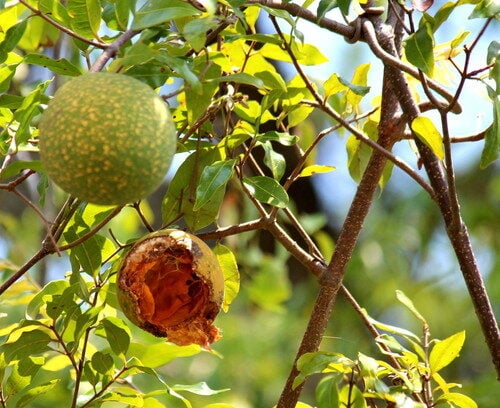
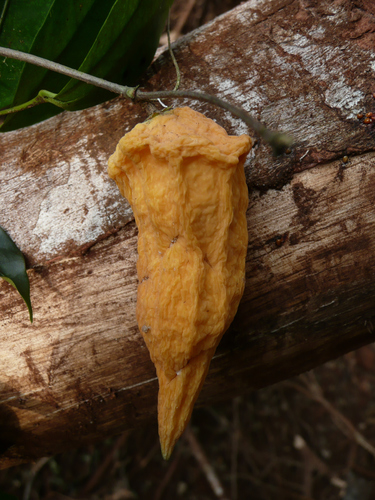
It is a herb. It grows up to 60 cm high. The roots are short and fibrous. There is a single stem with no branches. The stem is woody in the lower section. The upper section of the stem is green colour. The leaves are 3-10 cm long by 1.5-7 cm wide. There are fine hairs on both surfaces. The flowers are dull red. The fruit is oval and 6 cm long. It expels the seeds inside as it ripens.
Edible Uses
Young stems and leaves can be eaten cooked — some caution is advised given the toxicity notes associated with this plant. Young seedpods should be thoroughly boiled before eating, with the same caution applied.
Traditional Uses
CAUTION:
This uses section is brief — help expand it
Medicinal Uses
The root is depurative, diuretic, and febrifuge. In Chinese medicine, the decocted root is generally combined with other herbs to treat coughs and hectic fevers, haematuria, acute urinary tract infection, pharyngitis, abscesses, and snake bites. The stem is antitussive and sialagogue.
Known Hazards
There are some reports of toxins in this genus.
Distribution
It is a temperate plant. It grows in grasslands, riversides, dry lands between 100–2000 m altitude in China. In Sichuan and Yunnan.
Where It Grows
Asia, China, Indochina, Japan, Korea, Myanmar, Russia, SE Asia,
Cultivation
We have very little information on this species and do not know if it will be hardy in Britain, though judging by its native range it should succeed outdoors in many parts of this country. It probably does not have any special cultivation requirements and will probably succeed in most soils in a sunny position. See also the records for C. stratum which might be a mis-spelling for this species.
Propagation
Sow seed in spring in a greenhouse. Once seedlings are large enough to handle, prick them out into individual pots and grow on under cover for at least their first winter before planting into permanent positions in late spring or early summer, after the last expected frosts. Division can be carried out in spring.
Other Uses
None known
Notes
It is used in medicine. There are about 150 Cynanchum species.
Synonyms
Also Known As
Bai wei, Qilxeel
References (4)
- Enum. pl. China bor. 45. 1833 (Mem. Acad. Imp. Sci. St.-Peersbourg Divers Savans 2:119. 1835)
- Hani Medicine of Xishuangbanna, 1999, p 603
- Li Ping-tao; Michael G. Gilbert, W. Douglas Stevens, ASCLEPIADACEAE Flora of China.
- Plants for a Future database, The Field, Penpol, Lostwithiel, Cornwall, PL22 0NG, UK. http://www.scs.leeds.ac.uk/pfaf/