Arctous alpina
(Linnaeus) Niedenzu
Alpine bearberry, Black bearberry
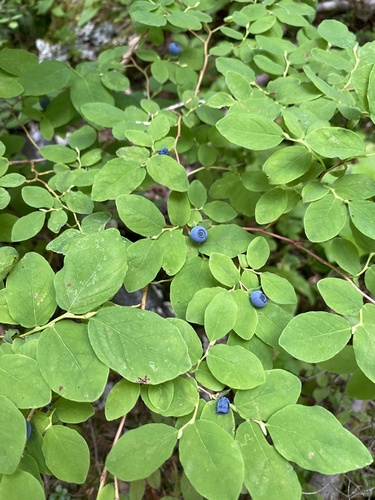
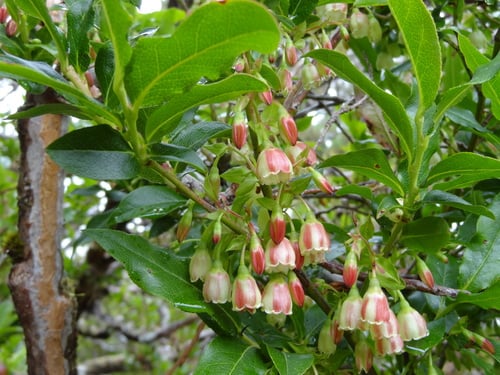
iNaturalist· cc-by-nc
(c) vadim_kirichenko, some rights reserved (CC BY-NC), uploaded by vadim_kirichenko
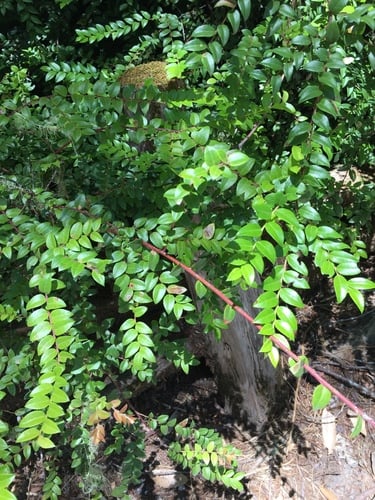
iNaturalist· cc-by-nc
(c) dronsse, some rights reserved (CC BY-NC), uploaded by dronsse
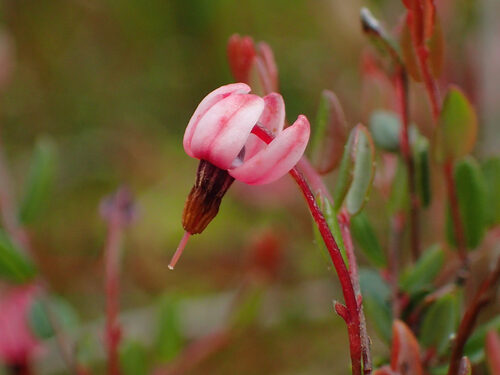
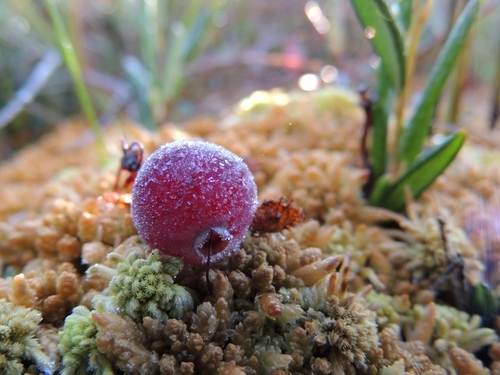
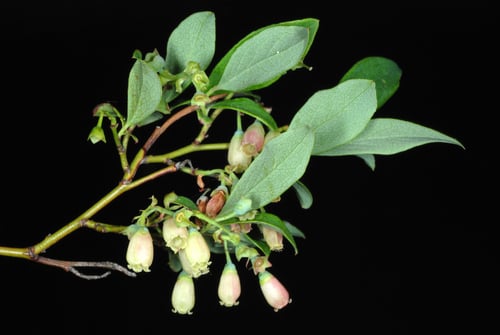
iNaturalist· cc-by
(c) Michael D. Pirie, some rights reserved (CC BY), uploaded by Michael D. Pirie
Summary
Source: WikipediaArctous alpina (syn. Arctostaphylos alpina), the alpine bearberry, mountain bearberry or black bearberry, is a dwarf shrub in the heather family Ericaceae. The basionym of this species is Arbutus alpina L..
Description
A small shrub. It can lie along the ground or be up to 40 cm high. It spreads 1 m wide. The stems are woody and branching. The leaves are green and oval. They have rounded teeth around the edge. The surface is wrinkled. The flowers are pale yellow and bell shaped. The fruit are small black berries.
Edible Uses
The small black berries are edible, though they have a notably bitter taste.
Traditional Uses
The fruit are edible but have a bitter taste.
This uses section is brief — help expand it
Known Hazards
The berries have a bitter taste.
Distribution
It is a temperate plant. It grows in northern China in alpine thickets and among rocks at 1,900-3,000 m altitude. It grows best in sandy, rocky, well-drained soils. It needs a protected sunny position. It is resistant to frost but sensitive to drought. In Sichuan.
Where It Grows
Alaska, Arctic, Asia, Australia, Britain, Canada, China, Europe, Japan, Mongolia, North America, Russia,
Cultivation
It can be grown from seed or cuttings.
Notes
They have health benefits.
Synonyms
Also Known As
Bei ji guo
References (6)
- Bircher, A. G. & Bircher, W. H., 2000, Encyclopedia of Fruit Trees and Edible Flowering Plants in Egypt and the Subtropics. AUC Press. p 39
- Bodkin, F., 1991, Encyclopedia Botanica. Cornstalk publishing, p 97
- Flora of China Vol. 14, p 257 and Flora of China. www.eFloras.org
- Harris, C.S. et al, 2014, Investigating Wild Berries as a Dietary Approach to Reducing the Formation of Advanced Glycation Endproducts: Chemical Correlates of In Vitro Antiglycation Activity. Plant Foods Hum Nutr 69:71–77
- Mullory, C. & Aitken, S., 2012, Common Plants of Nunavut. Inhabit Media p 138
Show all 6 references Hide references
- Urgamal, M., Oyuntsetseg, B., Nyambayar, D. & Dulamsuren, Ch. 2014. Conspectus of the vascular plants of Mongolia. (Editors: Sanchir, Ch. & Jamsran, Ts.). Ulaanbaatar, Mongolia. “Admon“ Press. 334pp. (p. 79-90).