Rhododendron luteum
Sweet
iNaturalist· cc-by-nc-sa
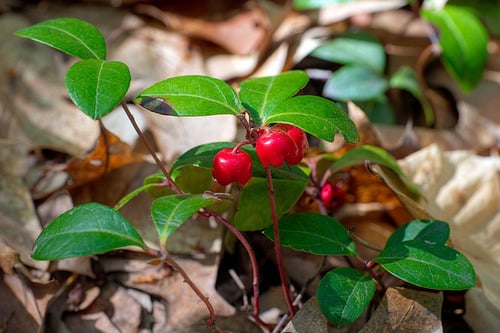
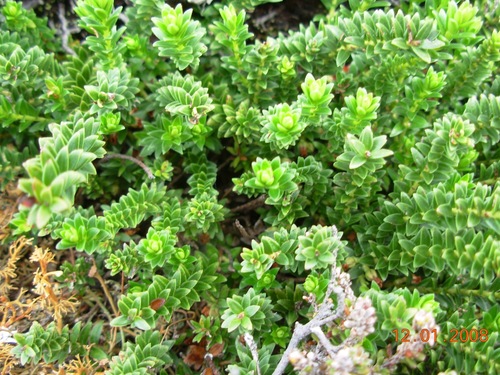
(c) Gertrud K., some rights reserved (CC BY-NC-SA)
iNaturalist· cc-by
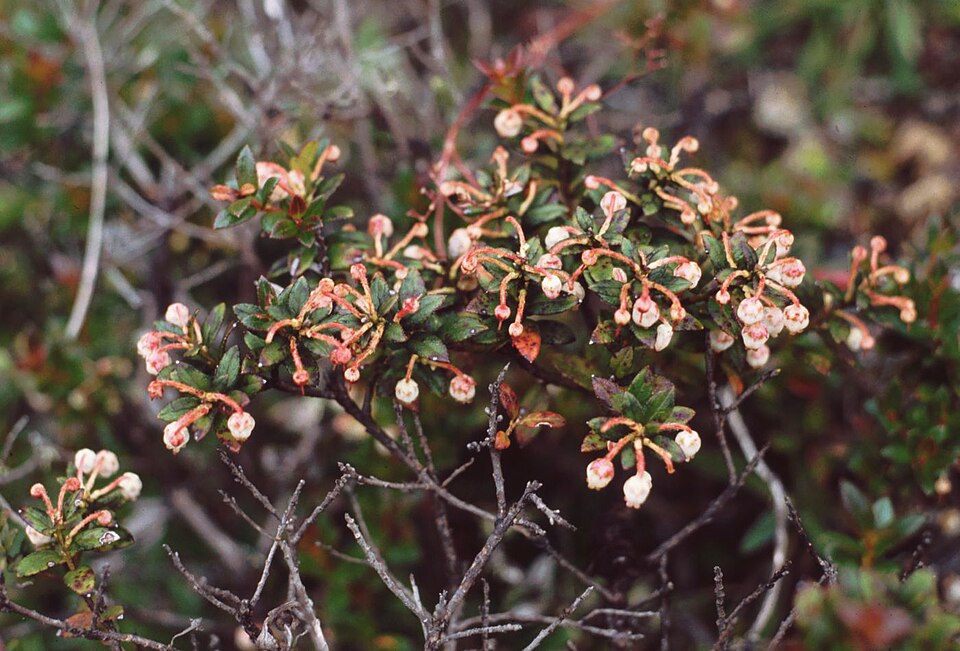
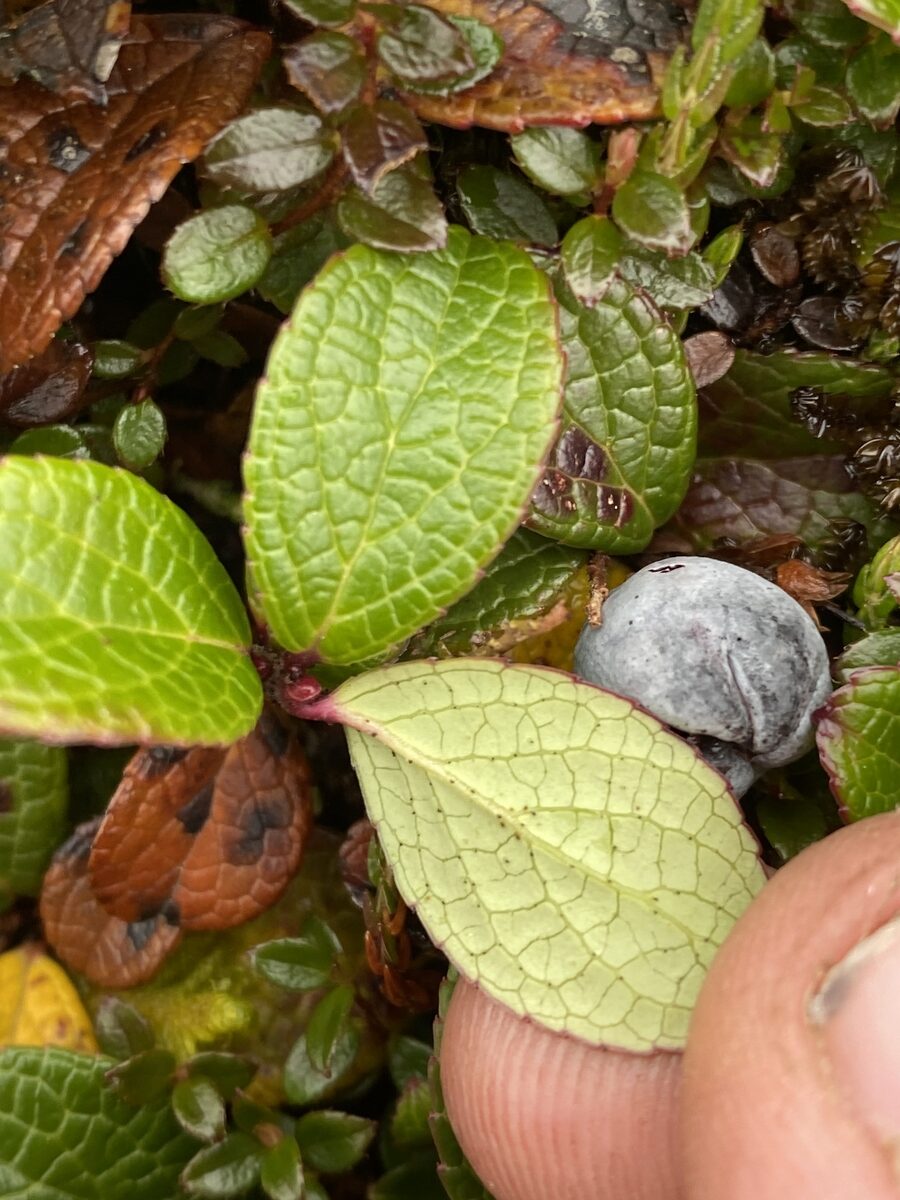
(c) Ljaž, some rights reserved (CC BY)
iNaturalist· cc-by
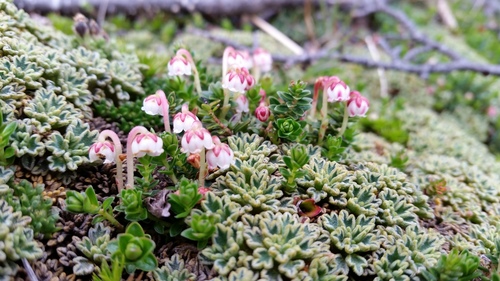
(c) Ljaž, some rights reserved (CC BY)
Summary
Source: WikipediaRhododendron luteum, the yellow azalea or honeysuckle azalea, is a species of flowering plant in the heath family Ericaceae, native to southeastern Europe and southwest Asia. In Europe, it occurs from southern Poland and Austria, south through the Balkans, and east to southern Russia; and in Asia, east to the Caucasus. It is a shrub growing 3–4 m (9.8–13.1 ft). The leaves are deciduous, 5–10 cm long and 2–4 cm broad. The flowers are 3–4 cm in diameter, bright yellow, and strongly perfumed, produced in trusses of 5–25 together. The fruit is a dry capsule 15–25 mm long, containing numerous small seeds. The nectar is toxic, containing the neurotoxin grayanotoxin; records of poisoning of people eating the honey date to the 4th century BC in Classical Greece.
Description
Deciduous shrub growing 2.5 m tall and wide. Hermaphrodite flowers bloom in May, pollinated by insects. Thrives in well-drained, mildly to very acid soil in semi-shade or light woodland. Tolerates light sandy and medium loamy soils, prefers moist conditions but withstands drought. Hardy to UK zone 5. Notably fragrant.
Edible Uses
None known
Medicinal Uses
None known
Known Hazards
None known
Distribution
It is a temperate plant.
Where It Grows
Caucasus, Georgia, Turkey, Türkiye,
Propagation
Sow seed in a greenhouse as soon as it is ripe in autumn, providing artificial light. Alternatively, sow in a lightly shaded part of a warm greenhouse in late winter, or in a cold greenhouse in April. Surface-sow and keep the compost consistently moist. Pot up seedlings once large enough to handle and grow on under glass for at least the first winter. Layering in late July takes 15–24 months. Cuttings of half-ripe wood taken in August and rooted in a frame are difficult.
Other Uses
The plant is grown as a medium-sized hedge, as demonstrated at the RHS gardens at Wisley in Surrey. It is also widely used as a rootstock for many ornamental azalea cultivars.
Synonyms
Also Known As
Ieli, Zifin
References (2)
- Bussman, R. W., et al, 2021, Unity in diversity—food plants and fungi of Sakartvelo (Republic of Georgia), Caucasus. Journal of Ethnobiology and Ethnomedicine (2021) 17:72 p 13
- Ertug, F, Yenen Bitkiler. Resimli Türkiye Florası -I- Flora of Turkey - Ethnobotany supplement