Psoralea bituminosa
L.
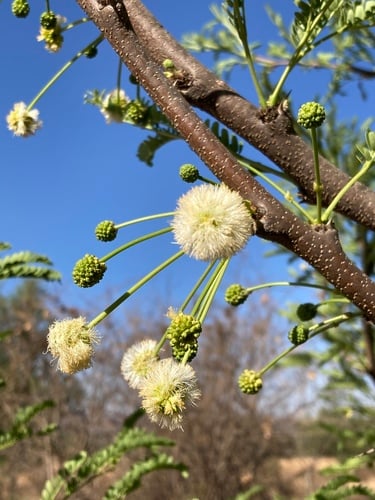
Owaineh, Asphalt clover
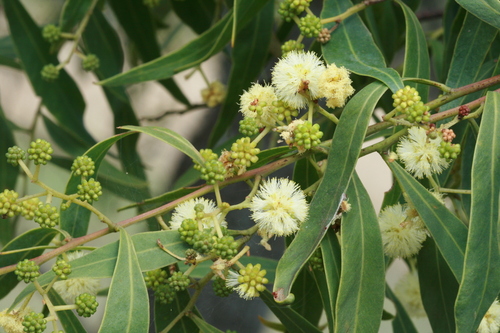
iNaturalist· cc-by-nc
(c) Sami Tamson, some rights reserved (CC BY-NC)
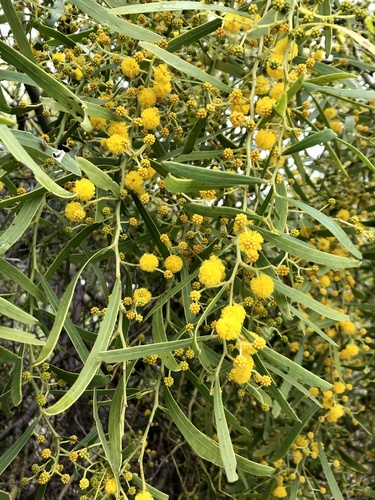
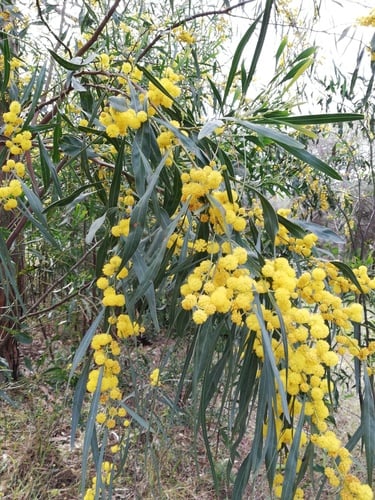
iNaturalist· cc-by-nc
(c) Sami Tamson, some rights reserved (CC BY-NC)
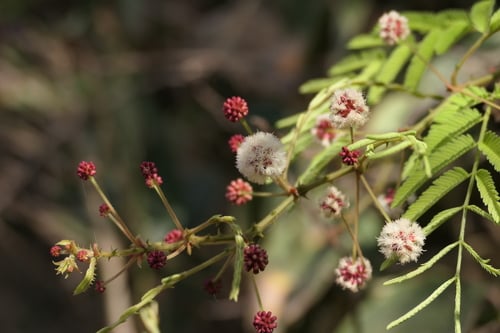
iNaturalist· cc-by-nc
(c) fwto, some rights reserved (CC BY-NC)
Description
A herbaceous plant in the pea family native to Mediterranean climates. It is cultivated for its edible fruits and young leaves.
This description is brief — help expand it
Edible Uses
The fruits are stewed and eaten, cooked in pastry, or eaten raw. The young leaves are cooked and eaten as a vegetable.
Traditional Uses
The fruit are stewed and eaten or cooked in pastry or eaten raw. The young leaves are cooked and eaten as a vegetable.
This uses section is brief — help expand it
Distribution
It is a Mediterranean climate plant.
Where It Grows
Africa, Balkans, Bosnia, Canary Islands, Europe, Libya, Mediterranean, Middle East, North Africa, Palestine,
Other Information
It is cultivated.
Also Known As
Djeteljnjak
References (5)
- Ali-Shtayeh, M. S., et al, 2008, Traditional knowledge of wild edible plants used in Palestine (Northern West Bank): A comparative study. J Ethnobiol Ethnomed. 4: 13
- Hinnawi, N. S. A., 2010, An ethnobotanical study of wild edible plants in the Northern West Bank "Palestine". An-Najah National University. p 93
- Mahklouf, M. H., 2019, Ethnobotanical Study of Edible Wild Plants in Libya. European Journal of Ecology. 5(2): 30-40
- Redzic, S. J., 2006, Wild Edible Plants and their Traditional Use in the Human Nutrition in Bosnia-Herzegovina. Ecology of Food and Nutrition, 45:189-232
- Zeven, A. C. & de West, J. M. J., 1982, Dictionary of cultivated plants and their regions of diversity. Wageningen. p 115