Ruscus hypoglossum
L.
iNaturalist· cc-by-nc
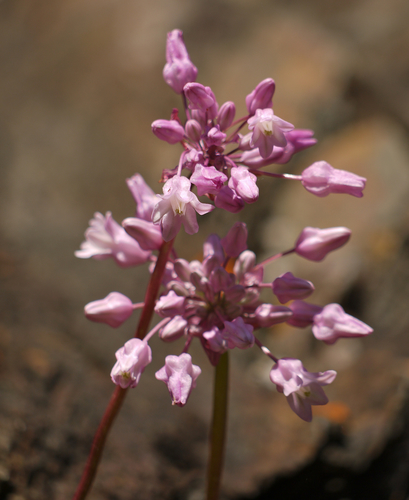
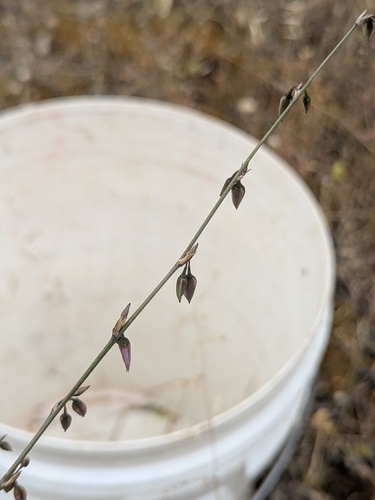
(c) Irena Hrovat, some rights reserved (CC BY-NC), uploaded by Irena Hrovat
iNaturalist· cc-by-nc
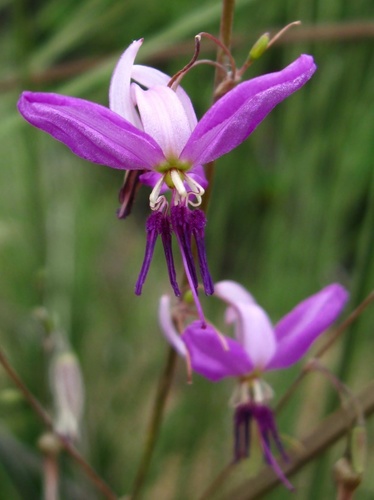
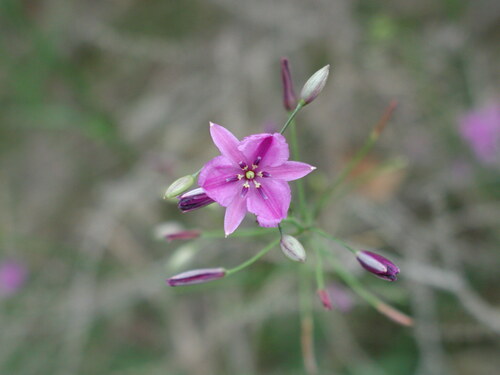
(c) Francesco Tarantino, some rights reserved (CC BY-NC)
Summary
Source: WikipediaRuscus hypoglossum is a small evergreen shrub with a native range from Italy north to Austria and Slovakia and east to Turkey and Crimea. Common names include spineless butcher's-broom, mouse thorn and horse tongue lily. The species name comes from two Greek words ὑπό (hypo) and γλῶσσα (glōssa) meaning under and tongue.
Description
A temperate shrub in the Asparagaceae family found in botanical gardens.
This description is brief — help expand it
Edible Uses
The young fattened buds or shoots are boiled and seasoned with oil and lemon, or cooked into scrambled eggs. The fruits are eaten fresh.
Traditional Uses
The young fattened buds or shoots are boiled and seasoned with oil and lemon. They can be cooked in scrambled eggs. The fruit are eaten fresh.
This uses section is brief — help expand it
Distribution
It is a temperate plant. Brisbane Botanical Gardens.
Where It Grows
Australia, Canada, Europe, Italy, Mediterranean, North America, Sicily, Slovenia, Turkey, Türkiye,
Notes
Also put in the family Ruscaceae.
Also Known As
Aleksandra, Karamut, širokolistna lobodika
References (4)
- Ertug, F, Yenen Bitkiler. Resimli Türkiye Florası -I- Flora of Turkey - Ethnobotany supplement
- http://www.botanic-gardens-ljubljana.com/en/plants
- Kizilarslan, C. & Ozhatay, N., 2012, An ethnobotanical study of the useful and edible plants of İzmit. Marmara Pharmaceutical Journal 16: 134-140, 2012.
- Lentini, F. and Venza, F., 2007, Wild food plants of popular use in Sicily. J Ethnobiol Ethnomedicine. 3: 15