Asparagus setaceus
(Kunth) Jessop
Feathery asparagus
iNaturalist· cc-by-sa
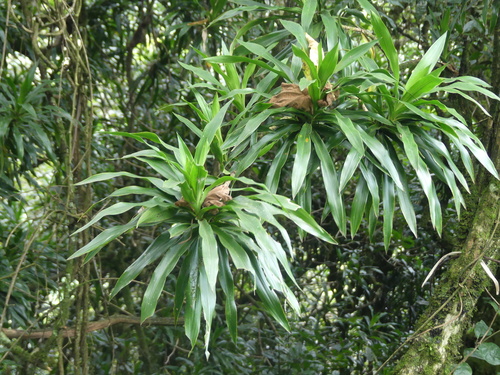
(c) alessandradalia, some rights reserved (CC BY-SA), uploaded by alessandradalia
iNaturalist· cc-by-nc
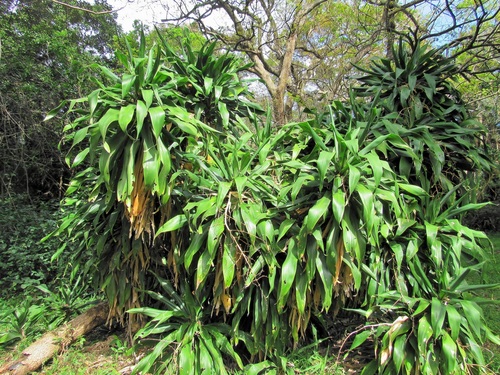
(c) Gaby, some rights reserved (CC BY-NC), uploaded by Gaby
iNaturalist· cc-by-nc
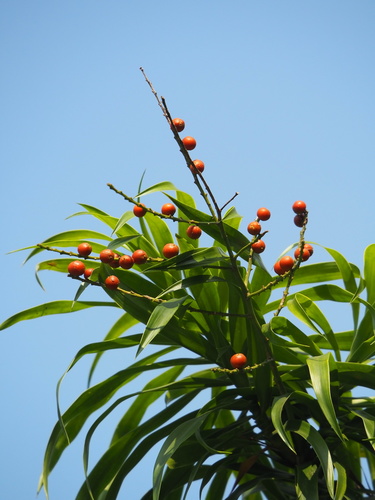
(c) Phil White, some rights reserved (CC BY-NC), uploaded by Phil White
Summary
Source: WikipediaAsparagus setaceus, with the common names of common asparagus fern, asparagus grass, lace fern, climbing asparagus, or ferny asparagus, is a plant in the family Asparagaceae native to southern Africa. Despite its common name, the plant is not a true fern, but has leaves that resemble one.
Description
An evergreen vine. It is twining or trailing. It has strong thorns. The stems are wiry and it climbs 2 m high. The leaves are small and flat and arranged like a feather. The flowers are small and white. They are 3 mm long. The fruit are red to black berries. They have 1-3 seeds.
Edible Uses
Edible Parts: Shoots Stem Edible Uses: Young shoots. No more details are given but it is likely that they are cooked and used like asparagus.
Traditional Uses
The plants is eaten as a vegetable.
This uses section is brief — help expand it
Medicinal Uses
None known
Known Hazards
Asparagus setaceus is toxic to many domestic animals, including dogs and cats, and if they ingest the berries, vomiting, diarrhea, abdominal pain and allergic dermatitis may result. The toxic agent within the plant is sapogenin, a naturally occurring steroid.
Distribution
It is a tropical plant. It grows in open forest. It is best in moist soil and a partly shaded position. It is damaged by frost and drought.
Where It Grows
Africa, Argentina, Asia, Australia, Botswana, China, East Africa, Eswatini, Fiji, India, Indonesia, Lesotho, Malawi, Marquesas, Mozambique, Nauru, North America, Pacific, Rotuma, SE Asia, South Africa*, Southern Africa, South America, Swaziland, USA, Zambia, Zimbabwe,
Cultivation
Plants can be grown by seed or division of the rhizome.
Propagation
Seed - pre-soak for 12 hours in warm water and then sow in spring or as soon as the seed is ripe in early autumn in a greenhouse. It usually germinates in 3 - 6 weeks at 25°c. Prick out the seedlings into individual pots when they are large enough to handle and grow them on in a sunny position in the greenhouse for their first winter. Plant them out into their permanent positions in late spring or early summer. Division in early spring as the plant comes into growth.
Other Uses
None known Special Uses
Synonyms
Also Known As
Asparagus fern, Asparagus pemanjat, Ilutwa, Mahlabane, Pakis asparagus, Ruringare, Silevu sembuti, Umutsi weklubeleka