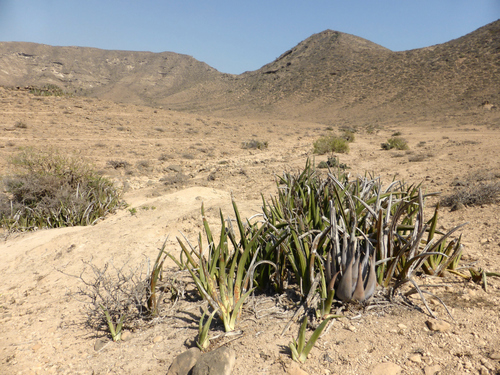
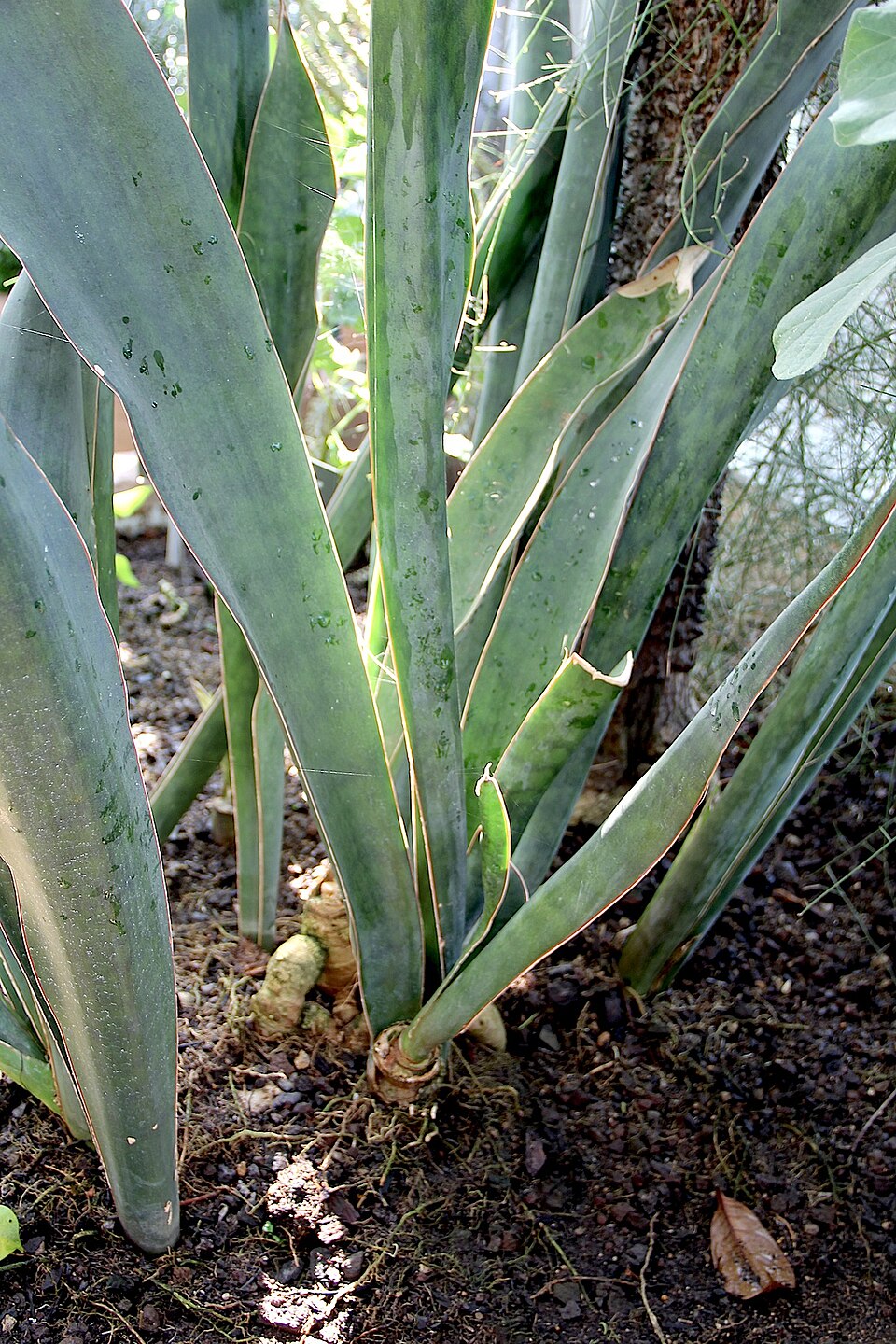
Asparagus stipularis
Forssk.
gbif· cc-by-nc
GBIF
gbif· cc-by-nc
GBIF
gbif· cc-by
Meise Botanic Garden
Description
Asparagus stipularis is a PERENNIAL. It is in flower from July to August. The species is dioecious (individual flowers are either male or female, but only one sex is to be found on any one plant so both male and female plants must be grown if seed is required). . The plant is not self-fertile. Suitable for: light (sandy), medium (loamy) and heavy (clay) soils and prefers well-drained soil. Suitable pH: mildly acid, neutral and basic (mildly alkaline) soils. It cannot grow in the shade. It prefers dry or moist soil.
Edible Uses
Young shoots. No more details are given but it is likely that they are cooked and used like asparagus.
Distribution
S. Europe to N. Africa - Mediterranean.
Where It Grows
TEMPERATE ASIA: Cyprus, Israel, Jordan, Lebanon, Syria EUROPE: Greece (incl. Crete), Italy (Sicilia, Sardegna), Spain, Portugal AFRICA: Spain (Canarias), Algeria, Egypt, Libya, Morocco, Tunisia
Cultivation
We have very little information on this species and do not know if it will be hardy in Britain, though judging by its native range it could succeed outdoors at least in the milder parts of this country. The following notes are based on the general needs of the genus. Easily grown in any good garden soil. Prefers a rich sandy loam. The flowers are sweetly scented, diffusing their scent about the garden. Dioecious. Male and female plants must be grown if seed is required.
Propagation
Seed - pre-soak for 12 hours in warm water and then sow in spring or as soon as the seed is ripe in early autumn in a greenhouse. It usually germinates in 3 - 6 weeks at 25°c. Prick out the seedlings into individual pots when they are large enough to handle and grow them on in a sunny position in the greenhouse for their first winter. Plant them out into their permanent positions in late spring or early summer. Division in early spring as the plant comes into growth.