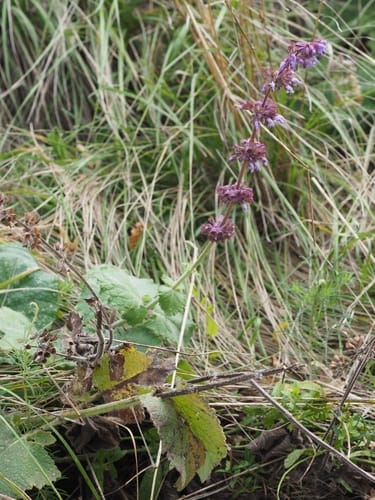
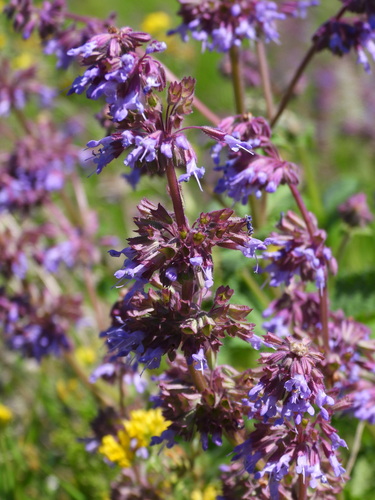
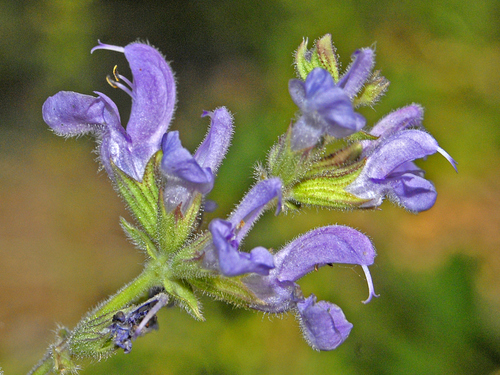
Origanum vulgare subsp. viridulum
(Martrin-Donos) Nyman
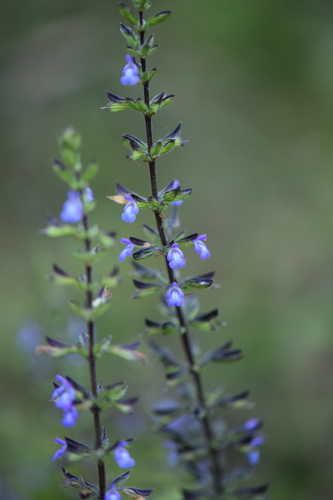
iNaturalist· cc-by-nc
(c) Елана, some rights reserved (CC BY-NC)
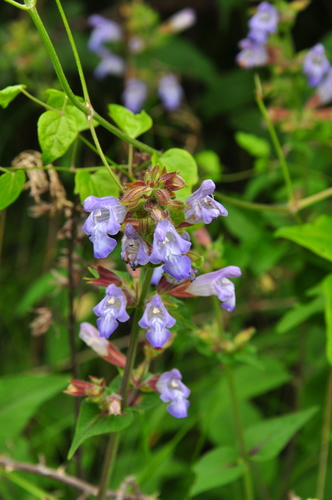
iNaturalist· cc-by-nc
(c) Παναγιώτης Ραφαηλίδης, some rights reserved (CC BY-NC), uploaded by Παναγιώτης Ραφαηλίδης
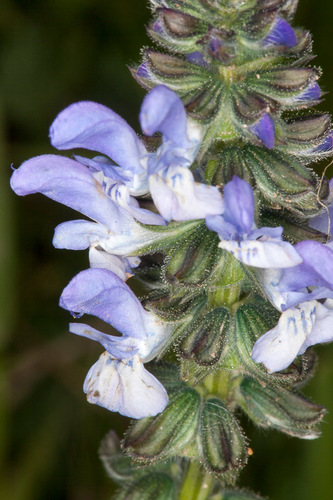
iNaturalist· cc-by-nc
(c) Елана, some rights reserved (CC BY-NC)
Description
An herb in the mint family found in Mediterranean climates, with leaves and flowering tops used as culinary flavourings.
This description is brief — help expand it
Edible Uses
Oregano is a culinary herb, used for the flavour of its leaves, which can be more intense when dried than fresh. It has an earthy, warm, and slightly bitter taste, which can vary in intensity. Good-quality oregano may be strong enough to almost numb the tongue, but cultivars adapted to colder climates may have a lesser flavour. Factors such as climate, season, and soil composition may affect the aromatic oils present, and this effect may be greater than the differences between the various species of plants. Among the chemical compounds contributing to the flavour are carvacrol, thymol, limonene, pinene, ocimene, and caryophyllene. Oregano is the staple herb of Italian cuisine, most frequently used with roasted, fried, or grilled vegetables, meat, and fish. Oregano combines well with spicy foods popular in Southern Italy. It is less commonly used in the North, where marjoram is preferred. It became popular in the U.S. after soldiers returning from World War II brought back a taste for the "pizza herb", which had probably been eaten in Southern Italy for centuries. Oregano is widely used in cuisines of the Mediterranean Basin and Latin America, especially in Mexican cuisine and Argentine cuisine. In Turkish cuisine, oregano is mostly used for flavouring meat, especially mutton and lamb. Throughout the Middle East, it is a popular variation in the spice blend za'atar, and is a key ingredient in Argentine chimichurri. During the summer, generous amounts of dried oregano are often added as a topping to a tomato and cucumber salad in Portugal, but it can be used to season meat and fish dishes as well. In Spain, apart from seasoning, it is used in preparations of a variety of traditional dishes such as morcilla (Iberian pig blood sausage) and adobo sauce for fish and meat. The dried and ground leaves are most often used in Greece to add flavour to Greek salad, and is usually added to the lemon-olive oil sauce that accompanies fish or meat grills and casseroles. In Albania, dried oregano is often used to make herbal tea which is especially popular in the northern part of Albania.
Traditional Uses
The leaves are used to season meat, fish or salads. It is used in soups and stuffings. The flowering tops are eaten raw or cooked as a flavouring,
This uses section is brief — help expand it
Distribution
It is a Mediterranean climate plant.
Where It Grows
Europe, France, Italy, Mediterranean, Sicily, Slovenia, Spain, Turkey, Türkiye,
Synonyms
Also Known As
Baharat otu, Kara kekik, Navadna dobra misel, Rigano
References (10)
- Ertug, F, Yenen Bitkiler. Resimli Türkiye Florası -I- Flora of Turkey - Ethnobotany supplement
- Hancer, C. K., et al, 2020, Traditional Knowledge of Wild Edible Plants of Biga (Çanakkale), Turkey. Acta Societatis Botanicorum Poloniae / 2020 / Volume 89 / Issue 1 / Article 8914
- Hedrick, 1919, Styrtevants Edible Plants of the World. (As Origanum heracleoticum)
- http://www.botanic-gardens-ljubljana.com/en/plants
- Kargioglu, M. et al, 2010, Traditional Uses of Wild Plants in the Middle Aegean Region. Human Ecology 38:429-450 (As Origanum heracleoticum)
Show all 10 references Hide references
- Lentini, F. and Venza, F., 2007, Wild food plants of popular use in Sicily. J Ethnobiol Ethnomedicine. 3: 15 (As Origanum heracleoticum)
- Nebel, S., Pieroni, A. & Heinrich, M., 2006, Ta cho`rta: Wild edible greens used in the Graecanic area in Calabria, Southern Italy. Appetite 47 (2006) 333–342 (As Origanum heracleoticum)
- Pasta, S., et al, 2020, An Updated Checklist of the Sicilian Native Edible Plants: Preserving the Traditional Ecological Knowledge of Century-Old Agro-Pastoral Landscapes. Frontiers in Plant Science. Volume 11|Article 388
- Pieroni A, Nebel S, Santoro RF, Heinrich M., 2005, Food for two seasons: culinary uses of non-cultivated local vegetables and mushrooms in a south Italian village. Int J Food Sci Nutr. 56(4):245-72 (As Origanum heracleoticum)
- Rivera, D. et al, 2006, Gathered Mediterranean Food Plants - Ethnobotanical Investigations and Historical Development, in Heinrich M, Müller WE, Galli C (eds): Local Mediterranean Food Plants and Nutraceuticals. Forum Nutr. Basel, Karger, 2006, vol 59, pp 18–74 (As Origanum heracleoticum)