Lathyrus clymenum
L.
Spanish vetchling, Crimson pea
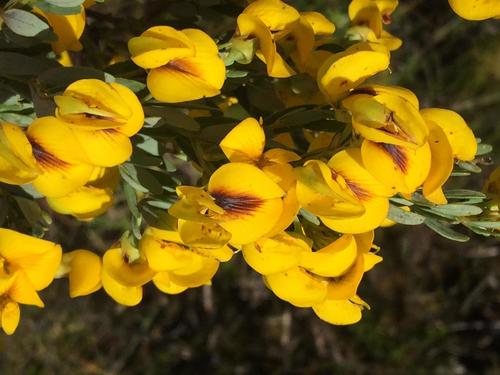
iNaturalist· cc-by-nc
(c) Paolo Mazzei, some rights reserved (CC BY-NC), uploaded by Paolo Mazzei
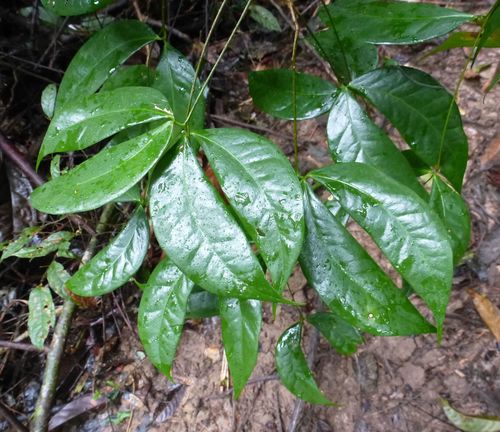
iNaturalist· cc-by-nc
(c) mimi_kol, some rights reserved (CC BY-NC)
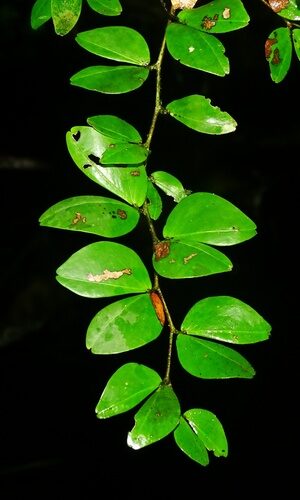
iNaturalist· cc-by-nc
(c) Thijs Valkenburg, some rights reserved (CC BY-NC), uploaded by Thijs Valkenburg
Summary
Source: WikipediaLathyrus clymenum, also called Spanish vetchling, is a flowering plant in the family Fabaceae, native to the Mediterranean. The seeds are used to prepare a Greek dish called fava santorinis. The plant is cultivated on the island of Santorini in Greece and was recently added to the European Union's products with a Protected Designation of Origin. For 3,500 years residents of Santorini and neighbouring islands have been cultivating the legume species Lathyrus clymenum, known elsewhere only as a wild plant. The peculiar ecosystem that was created by the volcanic explosions on Santorini island, the volcanic ash, the cellular soil, and the combination of humidity created by the sea and the drought, make the bean a unique resource. When weather conditions are good, farmers on the island can reap about 800 kilograms of beans per hectare. A vulnerable crop, it can be destroyed by strong winds that blow away its flowers before they can yield the pea, by drought or by a sudden heat wave almost instantly. Its production is thus limited, making it an expensive crop that costs €700 per acre. The cost for consumers is about €9–10 per kilogram.
Description
A herb. The leaves are narrow and like grass. The stems have wings. There are branched tendrils. The flowers are red to pink.
This description is brief — help expand it
Edible Uses
The seeds are eaten boiled and seasoned in omelettes or stews, and are also eaten raw by shepherds and children.
Traditional Uses
The seeds are eaten boiled and seasoned. They are used in omelettes or stews. They are also eaten raw by shepherds and children. The raw seeds in large amounts can cause lathyrism or paralysis of the legs.
Known Hazards
Raw seeds in large amounts can cause lathyrism or paralysis of the legs.
Distribution
It is a Mediterranean climate plant.
Where It Grows
Africa, Europe, France, Greece, Italy, Mediterranean, Morocco, North Africa, Sicily, Spain, Tunisia,
Other Information
It is cultivated in Santorini in Greece.
Notes
It is high in protein.
Also Known As
Cicerchia porporina, Guija, Ikikr, Rik elhench
References (8)
- Ghanimi, R., et al, 2022, Ethnobotanical study on wild edible plants traditionally used by Messiwa people, Morocco. Journal of Ethnobiology and Ethnomedicine. 18:16
- Lentini, F. and Venza, F., 2007, Wild food plants of popular use in Sicily. J Ethnobiol Ethnomedicine. 3: 15
- Licata, M., et al, 2016, A survey of wild plant species for food use in Sicily (Italy) – results of a 3-year study in four Regional Parks. Journal of Ethnobiology and Ethnomedicine 12:12
- Pasta, S., et al, 2020, An Updated Checklist of the Sicilian Native Edible Plants: Preserving the Traditional Ecological Knowledge of Century-Old Agro-Pastoral Landscapes. Frontiers in Plant Science. Volume 11|Article 388
- Pastor-Cavada, E., ey al, 2010, Protein isolates from two Mediterranean legumes:Lathyrus clymenum and Lathyrus annuus. Chemical composition, functional properties and protein characterisation. Food Chemistry 122: 533-538
Show all 8 references Hide references
- Tardio, J., et al, Ethnobotanical review of wild edible plants in Spain. Botanical J. Linnean Soc. 152 (2006), 27-71
- Tbatou, M, et al, 2016, Wild Edible Plants traditionally used in the countryside of El Jadida, Coastal Area in the Center of Morocco. Life Sciences Leaflets 75:28-48
- Zeven, A. C. & de West, J. M. J., 1982, Dictionary of cultivated plants and their regions of diversity. Wageningen. p 114