Hypochaeris cretensis
(L.) Chaub. et Bory
Costolina cretese
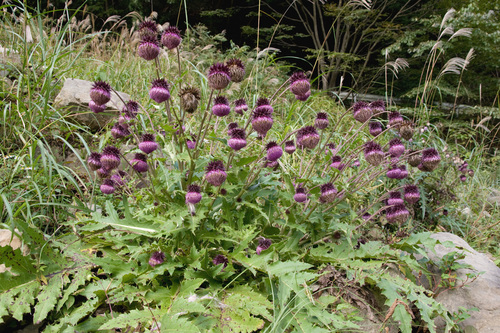
iNaturalist· cc-by-nc
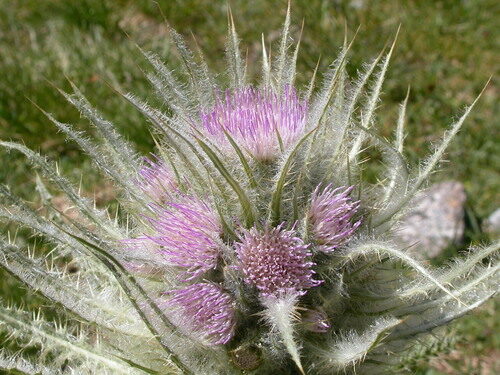
(c) Steve Daniels, some rights reserved (CC BY-NC), uploaded by Steve Daniels
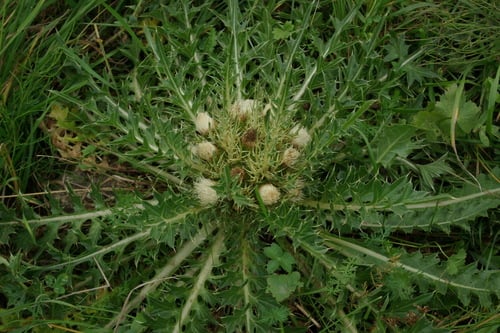
iNaturalist· cc-by-nc
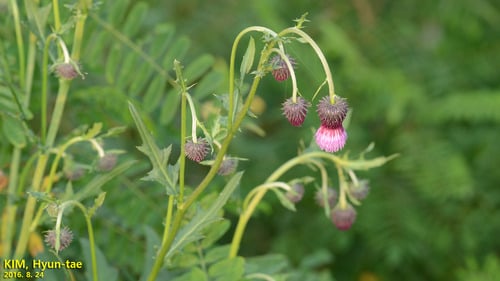
(c) Q. Scouflaire, some rights reserved (CC BY-NC), uploaded by Q. Scouflaire
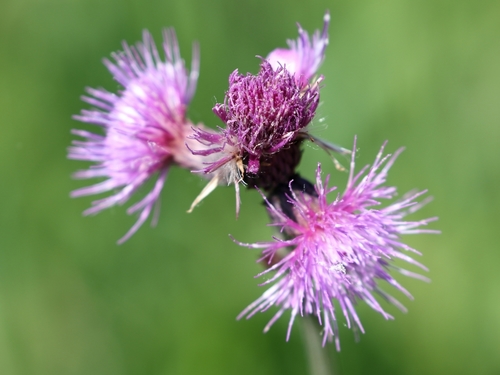
iNaturalist· cc-by
(c) Drepanostoma, some rights reserved (CC BY), uploaded by Drepanostoma
Description
A herb in the Asteraceae family found in Mediterranean climates.
This description is brief — help expand it
Edible Uses
The leaves are eaten raw and seasoned with oil and lemon.
Traditional Uses
The leaves are eaten raw and seasoned with oil and lemon.
This uses section is brief — help expand it
Distribution
It is a Mediterranean climate plant.
Where It Grows
Europe, Italy, Mediterranean, Sicily,
Also Known As
Citula duci
References (4)
- Geraci, A., et al, 2018, The wild taxa utilized as vegetables in Sicily (Italy): a traditional component of the Mediterranean diet. Journal of Ethnobiology and Ethnomedicine (2018) 14:14
- Lentini, F. and Venza, F., 2007, Wild food plants of popular use in Sicily. J Ethnobiol Ethnomedicine. 3: 15
- Pasta, S., et al, 2020, An Updated Checklist of the Sicilian Native Edible Plants: Preserving the Traditional Ecological Knowledge of Century-Old Agro-Pastoral Landscapes. Frontiers in Plant Science. Volume 11|Article 388
- Rivera, D. et al, 2006, Gathered Mediterranean Food Plants - Ethnobotanical Investigations and Historical Development, in Heinrich M, Müller WE, Galli C (eds): Local Mediterranean Food Plants and Nutraceuticals. Forum Nutr. Basel, Karger, 2006, vol 59, pp 18–74