Claytonia exigua
Torr. et Gray
iNaturalist· cc-by-nc
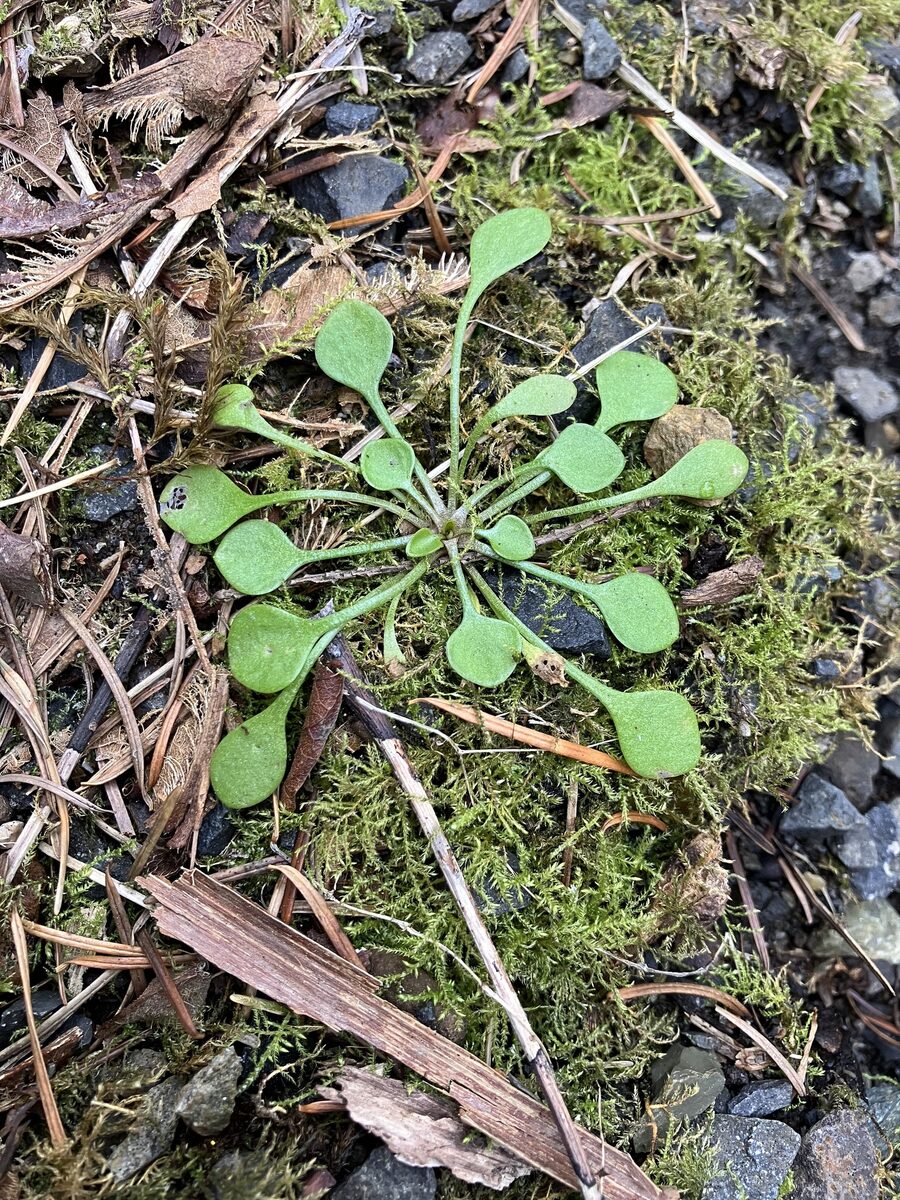
(c) Ian Cruickshank, some rights reserved (CC BY-NC), uploaded by Ian Cruickshank
iNaturalist· cc-by-nc
(c) Micah Freedman, some rights reserved (CC BY-NC)
Summary
Source: WikipediaClaytonia exigua is a species of wildflower known by the common names serpentine springbeauty and pale claytonia, in the family Montiaceae. It is native to western North America from British Columbia to Idaho to California, where it grows in a number of habitat types, including plant communities on serpentine soils.
Description
A delicate annual reaching just 10cm tall with a low, spreading habit. Produces small flowers from February through April. The plant is self-fertile and attracts insect pollinators. It tolerates a wide range of soil types—sandy, loamy, or clay—as long as drainage is adequate, and thrives in poor soils. Grows in full shade to full sun and adapts to both dry and moist conditions. Not frost-tender.
Edible Uses
The succulent leaves can be eaten raw or cooked.
Traditional Uses
The leaves are succulent and used as a potherb.
This uses section is brief — help expand it
Medicinal Uses
None known
Distribution
It is a temperate plant.
Where It Grows
Chile, North America, South America, USA,
Cultivation
We have almost no information on this species but judging by its native range it should be possible to grow it as a hardy annual in Britain. It is closely allied to M. perfoliata (a species that is naturalized in Britain) and probably has the same cultivation requirements as listed below. Prefers a moist peaty soil. Plants can succeed on very poor and dry soils and in the shade of trees.
Propagation
Sow seed in spring or autumn in situ. Germination is usually rapid.
Other Uses
None known
Notes
They have also been put in the family Portulacaceae.
Synonyms
References (3)
- Beckstrom-Sternberg, Stephen M., and James A. Duke. "The Foodplant Database." http://probe.nalusda.gov:8300/cgi-bin/browse/foodplantdb.(ACEDB version 4.0 - data version July 1994) (As Montia exigua)
- Hedrick, U.P., 1919, (Ed.), Sturtevant's edible plants of the world. p 202
- Martin, F.W. & Ruberte, R.M., 1979, Edible Leaves of the Tropics. Antillian College Press, Mayaguez, Puerto Rico. p 215
More from Montiaceae
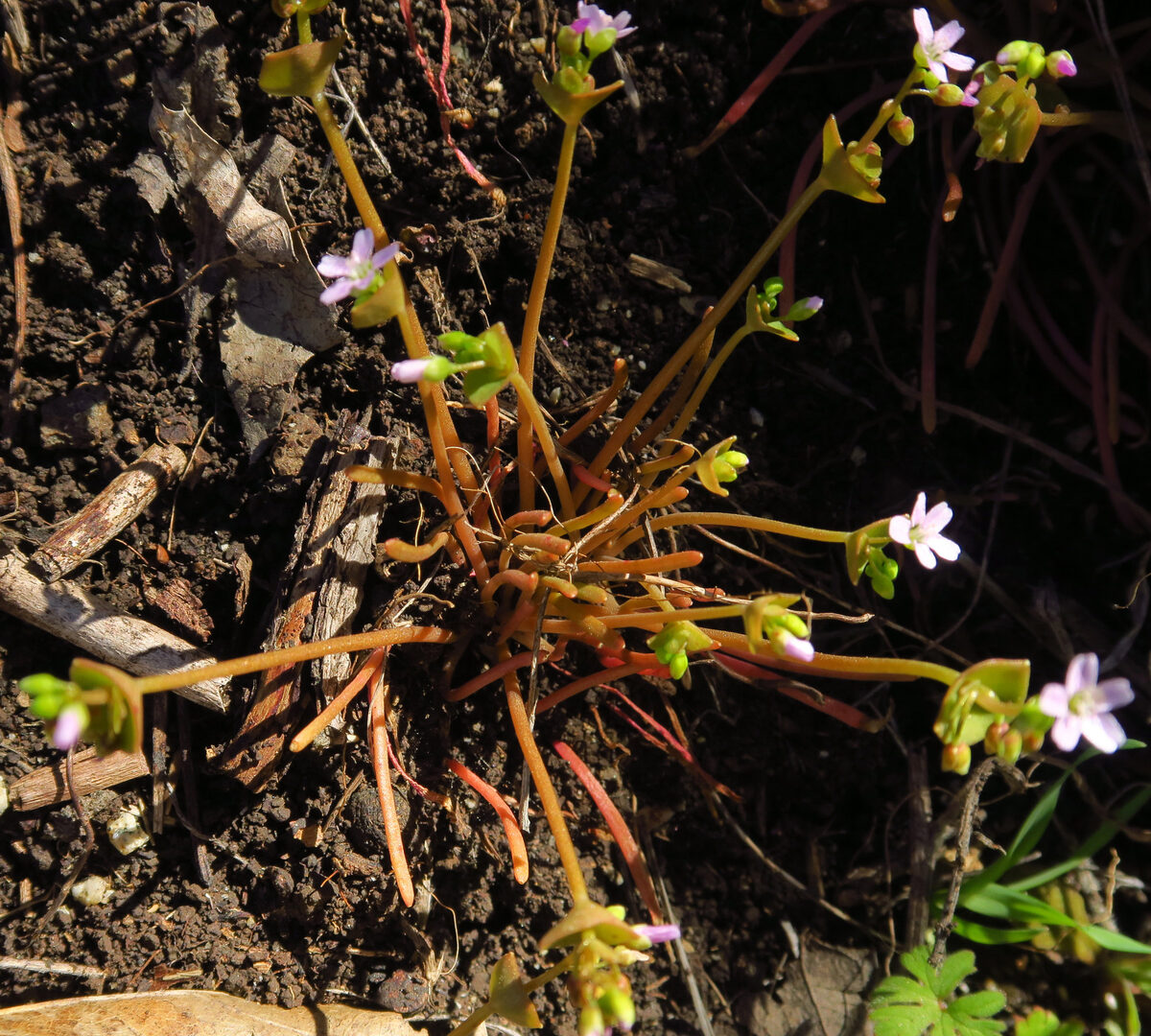
Claytonia parviflora ssp. parviflora
Indian Lettuce
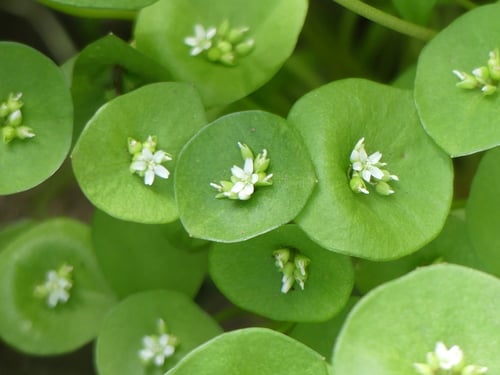
Claytonia perfoliata
Spring beauty, Cuban spinach, Petota, Miner's lettuce
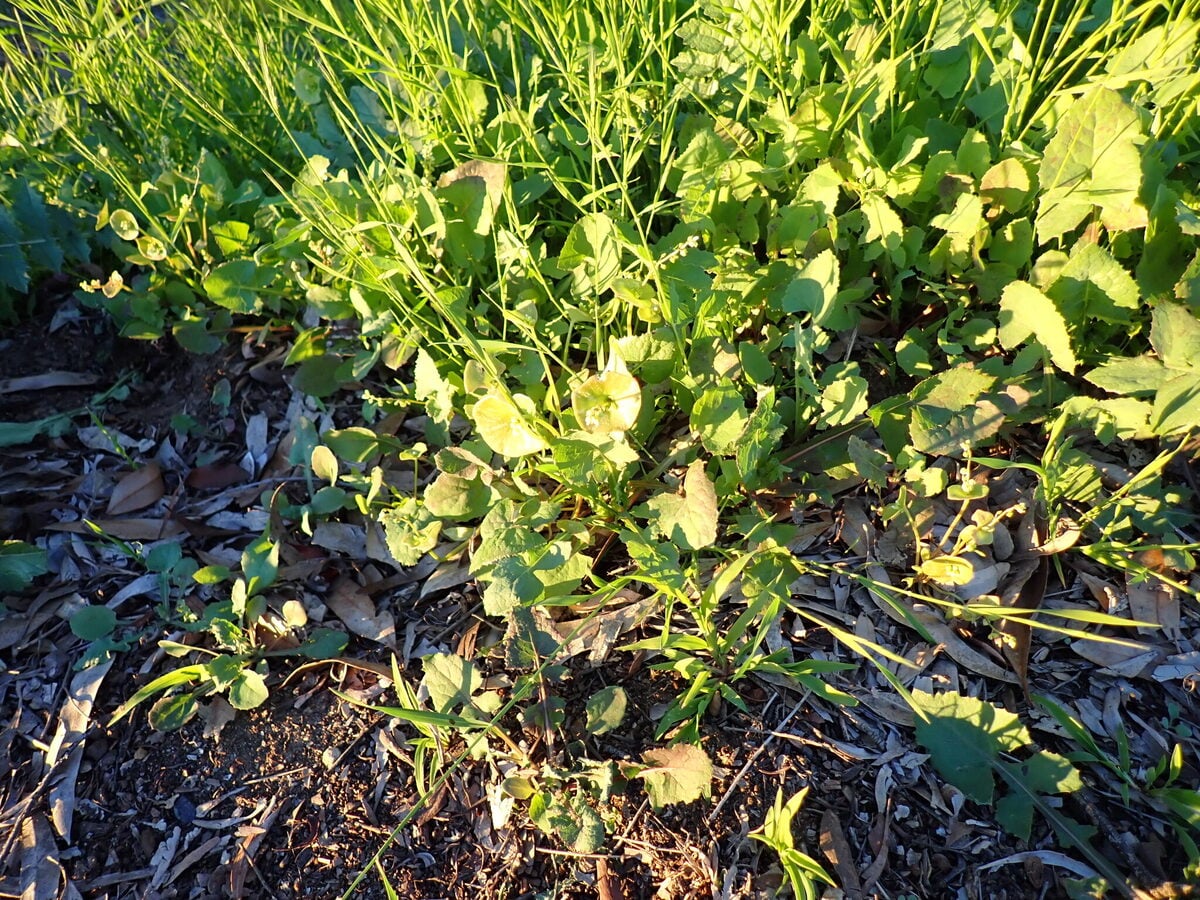
Claytonia perfoliata ssp. perfoliata
Miner’s lettuce
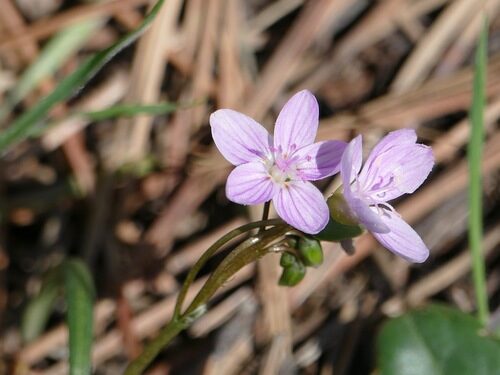
Claytonia rosea
Rosy Springbeauty
Claytonia rubra - (Howell) Tidestr.
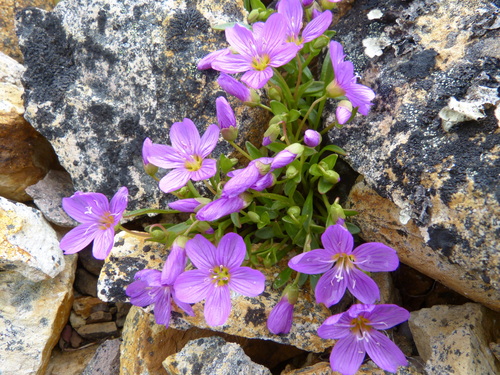
Redstem Springbeauty
Claytonia scammaniana
Scamman's Springbeauty