Celtis adolfi-friderici
Engl.
wikimedia· cc-by-sa
Rasbak (via Wikimedia Commons)
gbif· cc-by-nc
Ehoarn Bidault / Missouri Botanical Garden
Description
A large tropical tree in the family Cannabaceae reaching 35-55 m tall, native to west and west-central wet tropical Africa. It grows in various forest types at elevations from 600-1,200 m.
Edible Uses
The kernel of the seeds is eaten raw or roasted.
Traditional Uses
The kernel of the seeds is eaten raw or roasted.
This uses section is brief — help expand it
Medicinal Uses
A decoction of the bark is taken to treat general malaise, severe cough, fever and headache, and as an emetic. The bark pulp is applied on scarifications in the chest to relieve costal and side pains The fruits have been used to treat tuberculosis. A leaf decoction is used for treating sore eyes. Some traces of alkaloids have been reported in the bark and leaves.
Known Hazards
The wood dust may cause allergic reactions and skin irritation in wood workers.
Distribution
It is a tropical plant.
Where It Grows
Africa, Cameroon, Central Africa, Central African Republic, CAR, Congo DR, Congo R, Côte d'Ivoire, Ivory Coast, Sudan,
Cultivation
Requires a sunny position, although younger seedlings do appreciate a bit of shade. Prefers a well-drained, fertile soil. Plants have a moderately fast rate of growth - they are usually around 40cm tall after one year and then grow at a rate of 20 - 100cm a year.
Propagation
Seed - when sown fresh, the seed sprouts within 15 - 30 days, though with quite a low germination rate. Pre-treatment by soaking seeds in water and exposing them to the sun can accelerate germination and increase the germination rate.
Other Uses
The heartwood is white to pale yellow when freshly cut, later turning to grey-white; it is not distinctly demarcated from the sapwood. The grain is usually straight, sometimes interlocked; texture moderately fine; the wood is usually lustrous; fresh cut and rewetted wood has an unpleasant odour. The wood is medium-weight; fairly hard; of low durability, with an expected service life of 1 - 8 years for external usage, being susceptible to attacks of blue-stain fungi and insects, including termites and Lyctus borers. It seasons slowly, with a high risk of checking and distortion; once dry it is moderately stable in service. It works well with both hand and machine tools, though it has a moderate blunting effect on cutting tools so stellite-tipped and tungsten carbide are recommended; straight-grained stock planes well, but a cutting angle of 15° is recommended to avoid tearing in wood with interlocked grain; it finishes and polishes very well; is difficult to nail and screw so pre-boring is recommended to prevent splitting; it glues well; veneering properties are variable. The heartwood is moderately resistant to preservative treatment, but the sapwood is permeable. The wood is used for light construction, flooring, joinery, interior trim, frames, staircases, furniture, ladders, sporting goods, agricultural implements, handles, pestles, crates, boxes, match splints, hardboard and particle board. It is suitable for mine props, ship building, railway sleepers, veneer and plywood. The wood is used for fuel.
Production
In Central African Republic flowers have been recorded in February.
Notes
There are about 80 Celtis species. Also put in the family Ulmaceae.
Also Known As
Arubese, Kene
References (4)
- Hart. T. B. and Hart, J. A., 1986, The Ecological Basis of Hunter-Gatherer Subsistence in African Rain Forests: The Mbuti of eastern Zaire. Human Ecology. Vol. 14, No. 1. pp 29-55
- Tanno, T., 1981, Plant Utilization of the Mbuti Pygmies: With Special reference to their Material Culture and Use of Wild Vegetable Foods. Kyoto University Research. African Study Monographs 1:1-53
- Terashima, H., & Ichikawa, M., 2003, A comparative ethnobotany of the Mbuti and Efe hunter-gatherers in the Ituri Forest, Democratic Republic of Congo. African Study Monographs, 24 (1, 2): 1-168, March 2003
- World Checklist of Useful Plant Species 2020. Royal Botanic Gardens, Kew
More from Cannabaceae
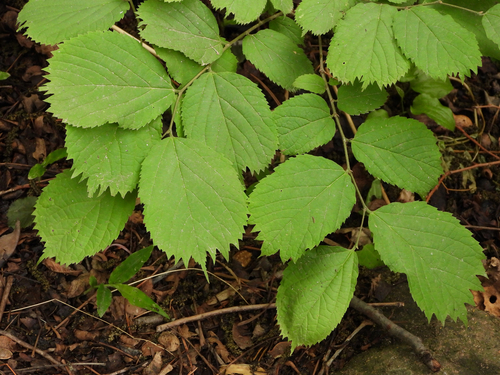
Celtis koraiensis
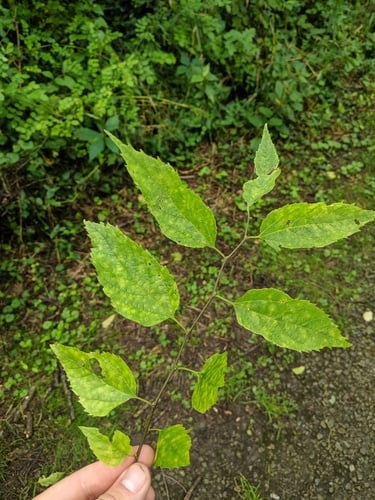
Celtis laevigata
Sugarberry, Mississippi Sugarberry, Mississippi hackberry, Sugar hackberry, Southern hackberry
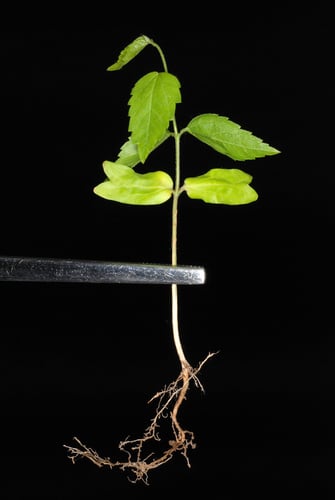
Celtis laevigata var. reticulata
Western Hackberry, Netleaf hackberry
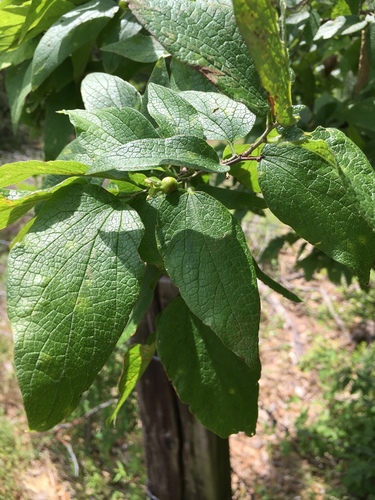
Celtis lindheimeri
Lindheimer's Hackberry
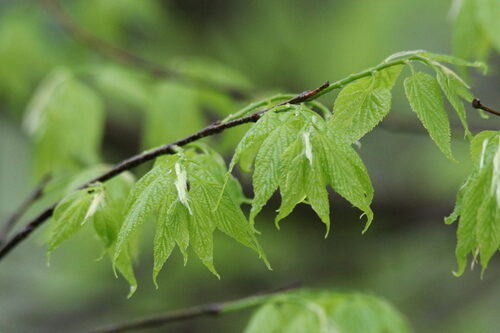
Celtis luzonica
Celtis
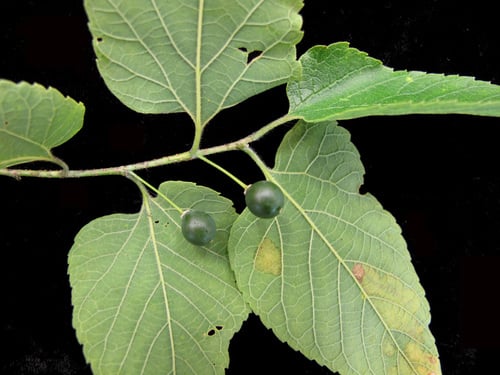
Celtis occidentalis
Common Hackberry, Sugarberry