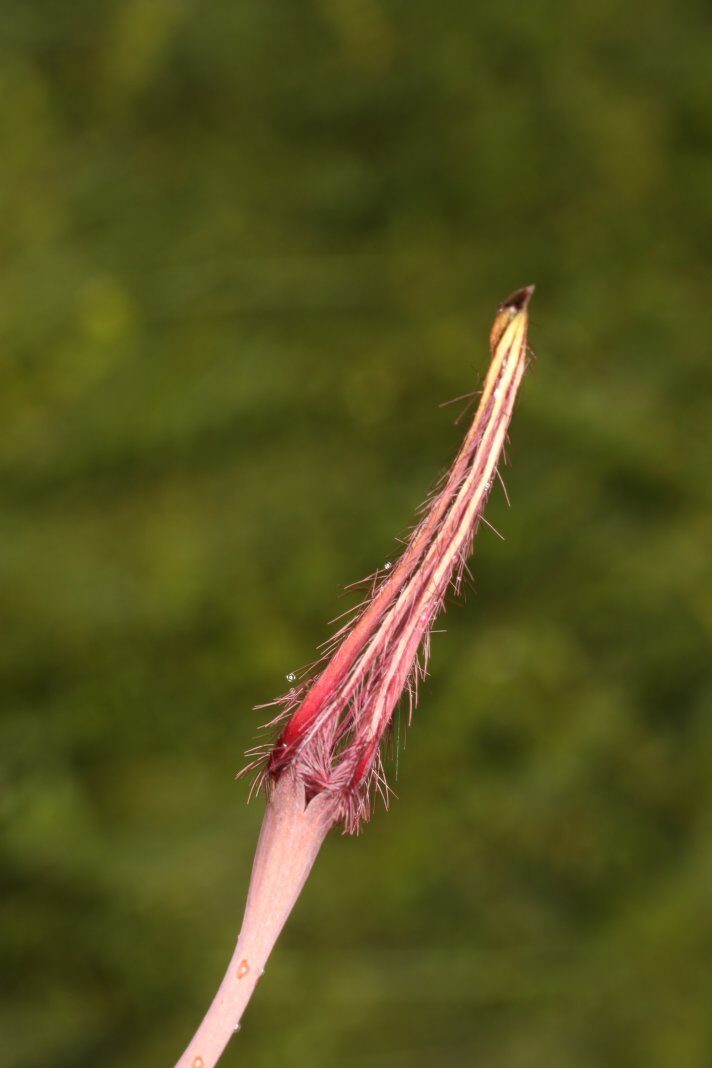
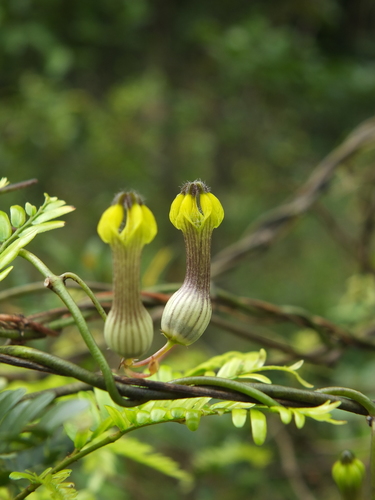
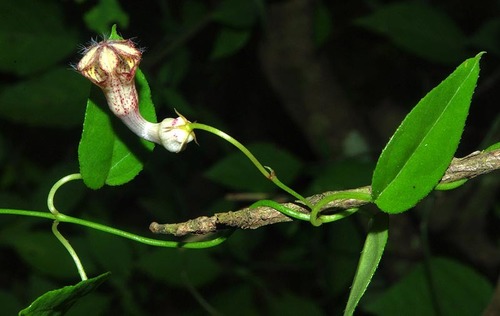
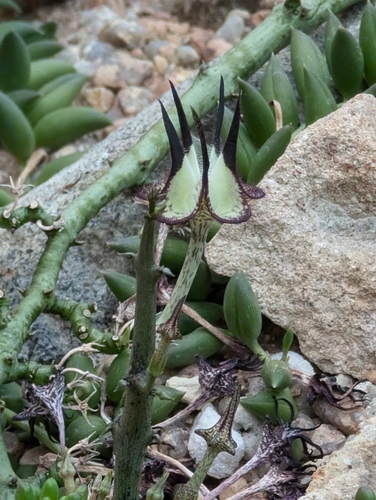
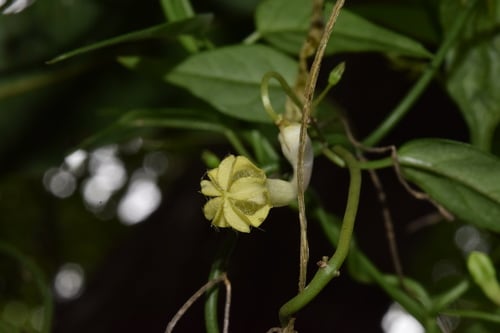
Hoodia officinalis
(N. E. Br.) Plowes
iNaturalist· cc-by-nc-sa
(c) David Hoare, some rights reserved (CC BY-NC-SA), uploaded by David Hoare
iNaturalist· cc-by-nc-sa
(c) David Hoare, some rights reserved (CC BY-NC-SA)
Summary
Source: WikipediaHoodia officinalis is a succulent plant native to Namibia and the Cape Province of South Africa. H. officinalis has two officially recognized subspecies, H. officinalis subsp. officinalis and subsp. delaetiana, which are identified mainly by their distribution. Subsp. delaetiana grows only in the Klinghardt Mountains and are larger than subsp. officinalis.
Description
A shrub. It keeps growing from year to year. It grows 30-40 cm high. The stems are succulent and spiny. They are 4-7 cm thick. They have spines 4-12 mm long. The flowers are small. There are some subspecies. The fruits are double follicles. They have many fluffy seeds.
Edible Uses
The stems are eaten fresh after removing the thorns for their moisture content, and can be made into a sweet preserve. The pods are also edible.
Traditional Uses
The thorns are removed and the stem eaten for their moisture. They are also used to make a sweet preserve.
This uses section is brief — help expand it
Distribution
It is a subtropical plant. It suits hot arid places. It grows in areas with a marked dry season. The dry season can be 6-11 months. It is often on limestone rocky soils. In southern Africa it grows between 300-1,600 m above sea level. It grows in the Kalahari. It can grow in arid places.
Where It Grows
Africa, Namibia, South Africa, Southern Africa,
Cultivation
Plants can be grown by seed. They can also be grown by cuttings.
Nutrition
| Part | Moisture | kJ | kcal | Protein | Vit A | Vit C | Iron | Zinc |
|---|---|---|---|---|---|---|---|---|
| Stems | 91.1 | 110 | 26 | 0.8 | — | 29.6 | 3.1 | 0.5 |
Synonyms
Also Known As
Lgoai-i
References (8)
- Grubben, G. J. H. and Denton, O. A. (eds), 2004, Plant Resources of Tropical Africa 2. Vegetables. PROTA, Wageningen, Netherlands. p 330
- Jansen, P.C.M., 2004. Hoodia currorii (Hook.) Decne. [Internet] Record from Protabase. Grubben, G.J.H. & Denton, O.A. (Editors). PROTA (Plant Resources of Tropical Africa), Wageningen, Netherlands. < http://database.prota.org/search.htm>. Accessed 16 October 2009.
- Royal Botanic Gardens, Kew (1999). Survey of Economic Plants for Arid and Semi-Arid Lands (SEPASAL) database. Published on the Internet; http://www.rbgkew.org.uk/ceb/sepasal/internet [Accessed 30th March 2011]
- Sullivan, S., 1998, People plants and practice in drylands: Socio-political and ecological dimensions of resource-use by Damara farmers in north-west Namibia. Ph.D. Univ. College London. (As Trichocaulon officinale)
- van Wyk, Be., & Gericke, N., 2007, People's plants. A Guide to Useful Plants of Southern Africa. Briza. p 70
Show all 8 references Hide references
- Wehmeyer, A. S, 1986, Edible Wild Plants of Southern Africa. Data on the Nutrient Contents of over 300 species. )As Trichocaulon officinale)
- Welcome, A. K. & Van Wyk, B.-E., 2019, An inventory and analysis of the food plants of southern Africa. South African Journal of Botany 122 (2019) 136–179
- World Checklist of Useful Plant Species 2020. Royal Botanic Gardens, Kew