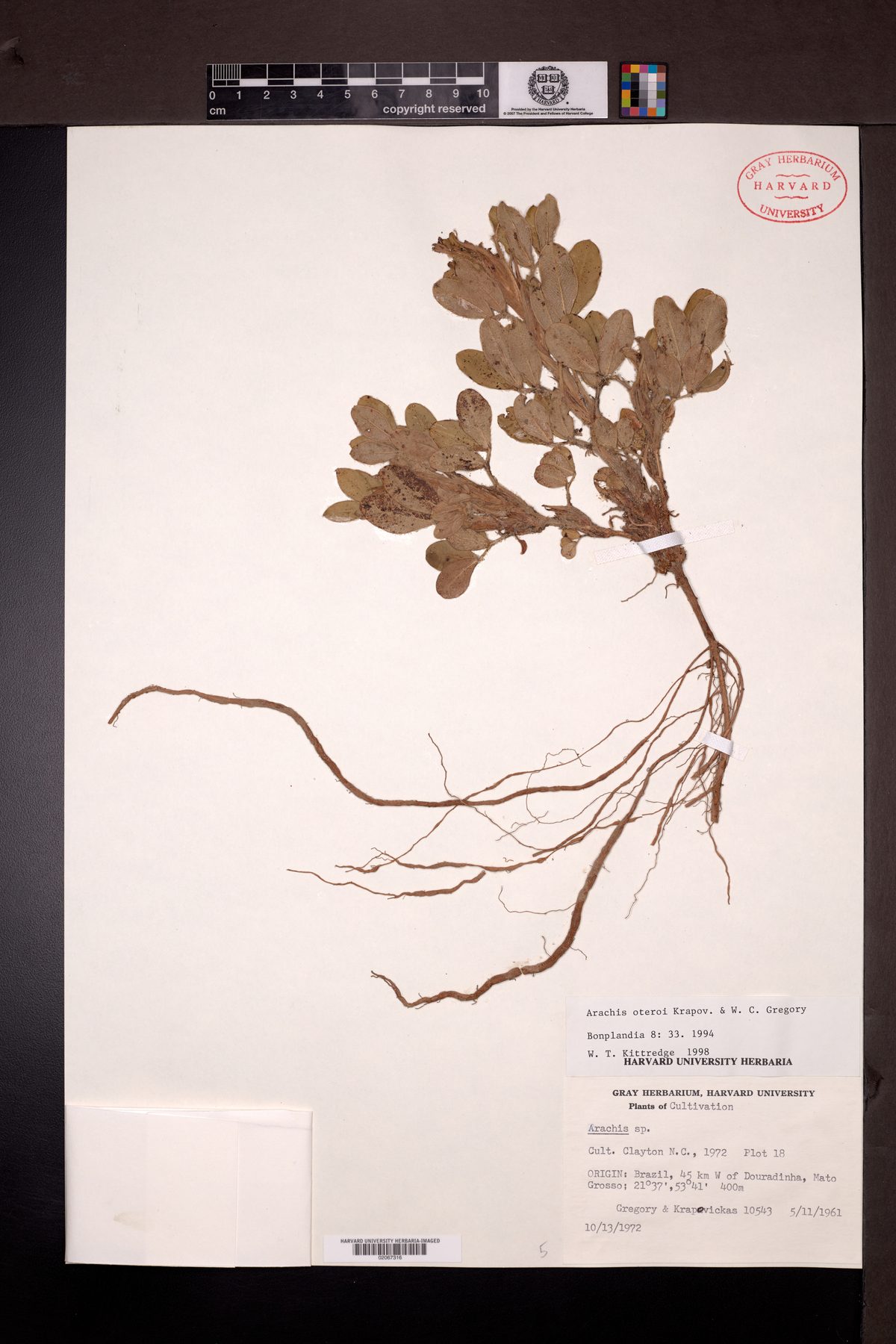
Bauhinia kalantha
Harms
gbif· cc-by-sa
GBIF
Description
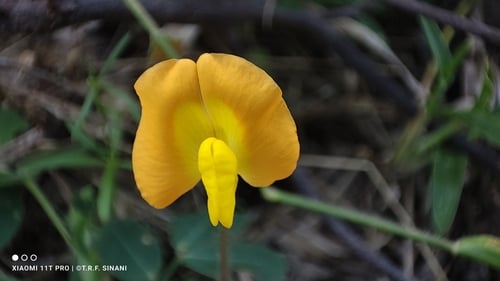
A shrub. It grows 3 m high. The leaves are simple and alternate. They are 1-4.5 cm long by 1.5-4 cm wide. They are deeply 2 lobed. The lobes are rounded at the tip. The flowers occur singly. They are yellow. The fruit is a long pod 1.5 cm wide. It has a few seeds. The seeds are 7-8 mm long by 6-7 mm wide. They are brown.
Edible Uses
Tender young leaves - cooked and eaten as a vegetable. The leaves are collected, chopped and cooked alone or with other vegetables such as pumpkin leaves. Then pounded groundnuts are added and the vegetable eaten with ugali or rice.
Traditional Uses
The young tender leaves are cooked and eaten.
This uses section is brief — help expand it
Medicinal Uses
The sliced roots are boiled together with chicken and eaten as a treatment for schistosomiasis.Bauhinia kalantha produces good firewood and a dye used in basketry. Ropes are made from the bark fibre.
Distribution
It is a tropical plant. It grows near Morogoro in Tanzania. It grows on stony soils between 600-1,000 m altitude.
Where It Grows
Africa, East Africa, Tanzania,
Other Uses
A fibre obtained from the bark is used for making ropes. The plant yields a dye that is used in basketry. The wood is good for fuel.
Production
Leaves are collected during the rainy season.
Notes
Also as Caesalpinaceae.
Also Known As
Kitemba, Mchekwa, Mtema
References (2)
- Bosch, C.H., 2008. Bauhinia kalantha Harms. [Internet] Record from Protabase. Schmelzer, G.H. & Gurib-Fakim, A. (Editors). PROTA (Plant Resources of Tropical Africa / Ressources végétales de l’Afrique tropicale), Wageningen, Netherlands. < http://database.prota.org/search.htm>. Accessed 14 October 2009.
- Ruffo, C. K., Birnie, A. & Tengnas, B., 2002, Edible Wild Plants of Tanzania. RELMA p 158