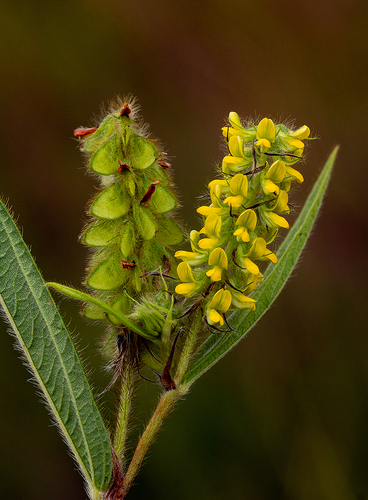
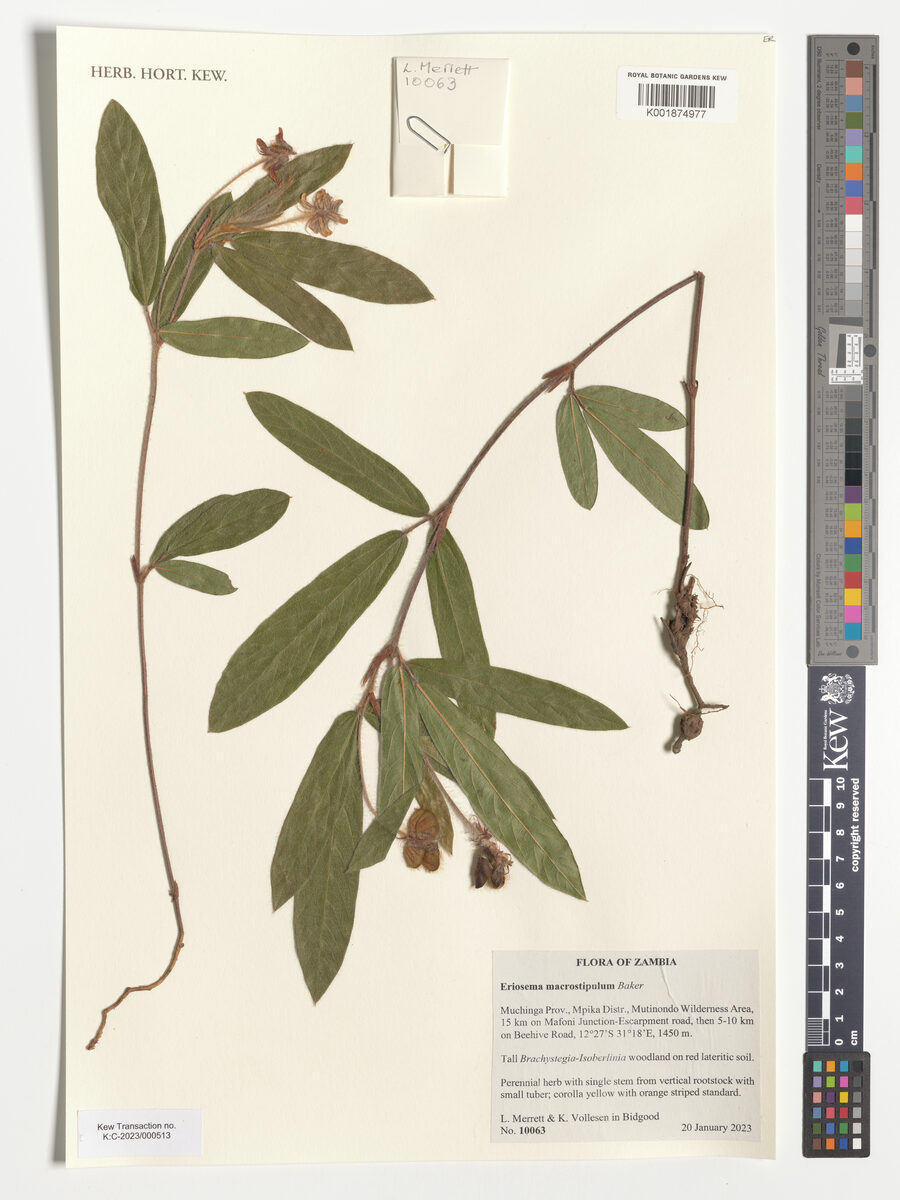
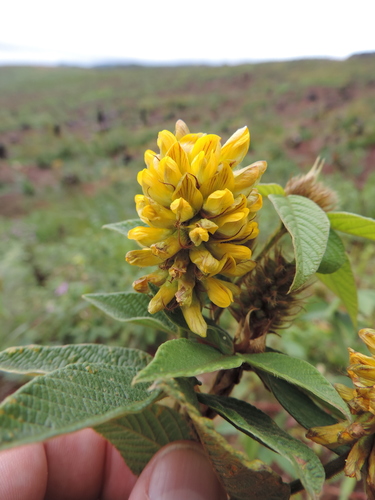
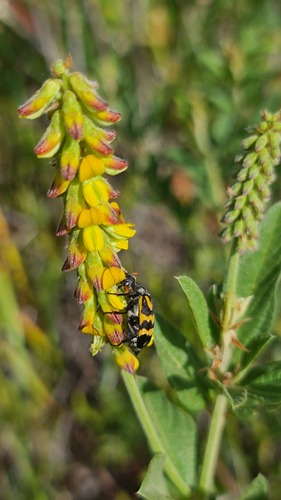
Copaifera officinalis
L.
Copaiba Balsam, Medicinal Copaiba
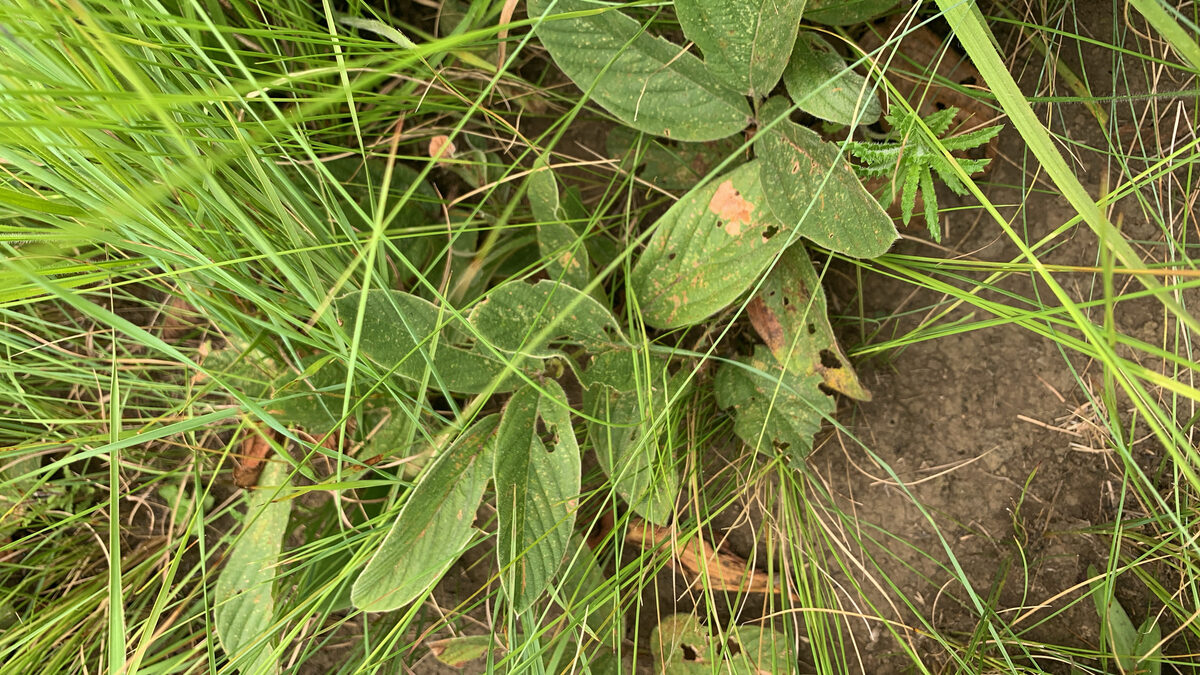
iNaturalist· cc-by-nc
(c) 方伊琳(阿鈣), some rights reserved (CC BY-NC), uploaded by 方伊琳(阿鈣)
iNaturalist· cc-by-nc
(c) 方伊琳(阿鈣), some rights reserved (CC BY-NC), uploaded by 方伊琳(阿鈣)
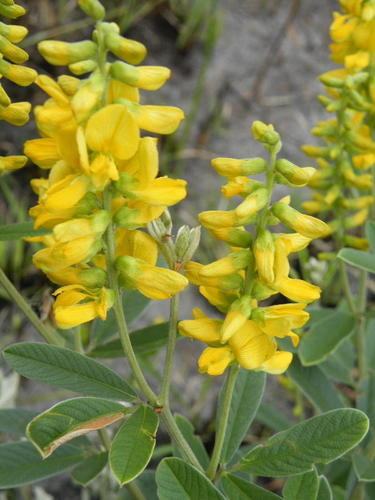
iNaturalist· cc-by-nc
(c) Gabrielle, some rights reserved (CC BY-NC), uploaded by Gabrielle
Description
Copaifera officinalis is an evergreen Tree growing to 22 m (72ft) by 22 m (72ft) at a slow rate. See above for USDA hardiness. It is hardy to UK zone 10. It can fix Nitrogen. Suitable for: light (sandy) and medium (loamy) soils and prefers well-drained soil. Suitable pH: mildly acid, neutral and basic (mildly alkaline) soils. It can grow in full shade (deep woodland) or semi-shade (light woodland). It prefers dry or moist soil.
Edible Uses
Condiment. Like other species in the Copaifera genus, it is a source of an oily oleo-resin known as copaiba-balsam. The resin is used as a food additive and as flavouring agents in food and beverages.
Medicinal Uses
Anodyne Antacid Antibacterial Antifungal Antiinflammatory Antiseptic Antitumor Aromatic Astringent Cytostatic Demulcent Digestive Disinfectant Diuretic Eczema Expectorant Kidney Laxative Skin Stimulant Urinary Vermifuge. Copaiba-balsam, an oily oleo-resin obtained from the trunk of the tree, has a very long history of use medicinally. It was widely used by the native peoples prior to the Europeans reaching S. America and these uses were soon taken up by the Europeans. The resin is especially valued for its ability to counter mucous in the chest and genito-urinary system. The resin is an aromatic, stimulant herb with a bitter, burning taste. Both it and the bark are anodyne, antacid, antibacterial, antifungal, antiinflammatory, antimicrobial, astringent, cytostatic, demulcent, digestive, disinfectant, diuretic, expectorant, mildly laxative, vermifuge and vulnerary. The resin obtained from the trunk contains a number of medically active constituents including 30 - 90% essential oils and unusual condensed tannins. The essential oil contains alpha- and beta-caryophyllene, sesquiterpenes, resins and terpenic acids. It improves the digestion, has diuretic and expectorant effects, and controls bacterial infections. Much of the clinical research performed to date has verified the traditional uses of copaiba. It has, for instance, been shown to be highly effective as a topical wound healer and anti-inflammatory agent. The anti-inflammatory effect is mainly due to the sesquiterpenes, particularly caryophyllene which has also demonstrated effective pain-relieving properties, antifungal properties against nail fungus and gastroprotective properties. The resin as a whole (and, particularly, two of its diterpenes - copalic acid and kaurenic acid) has demonstrated significant antimicrobial activity against gram-positive bacteria. One of copaiba?s other chemicals, kaurenoic acid, has also demonstrated selective antibacterial activity against Gram-positive bacteria in other recent studies[318. Other constituents of the resin have demonstrated significant antitumor activity. The resin is taken internally in the treatment of a range of respiratory problems such as tuberculosis, bronchitis and sinusitis; urinary tract and reproductive system conditions such as cystitis, kidney and bladder infections, vaginal discharge and gonorrhoea. Stomach ulcers, tetanus, herpes, pleurisy and haemorrhages are just some of the other conditions treated with the resin. Externally, it is used in the treatment of a range of skin problems including insect bites, eczema, chilblains, sores and psoriasis[ 238 , 254. It is also used to treat wounds and stop bleeding. As an antiseptic gargle, it is used to treat sore throats and tonsillitis. The resin should be used with care, see notes above on toxicity. The resin is tapped at intervals from the tree and the holes filled in afterwards. It is used in infusions or distilled for its essential oil.
Distribution
Northern S. America - Brazil, Venezuela and Guyana.
Where It Grows
SOUTHERN AMERICA: Guyana (possibly), Venezuela (Bolívar (north), Anzoátegui, Monagas, Sucre)
Cultivation
Prefers a well-drained sandy soil and a position in shade. A single copaiba tree can provide about 40 litres of oleoresin annually, making it a sustainable rainforest resource that can be harvested without destroying the tree or the forest in which it grows. The resin accumulates in cavities within the tree trunk and is harvested by tapping or drilling holes into the wood of the trunk and collecting the resin that drips out, much in the same manner as harvesting maple syrup. When tapped, the initial oily resin is clear, thin, and colourless; it thickens and darkens upon contact with air. Commercially sold resins are a thick, clear liquid, with a colour that varies from pale yellow to golden light brown.
Propagation
Seed
Other Uses
Containers Disinfectant Essential Fuel Furniture Lacquer Resin Tannin Varnish Wood Other Uses: An oleoresin is obtained from the tree. It is an important fixative in perfumes - especially those with violet, woody or spicy notes. Today in the United States, copaiba resin is used mostly as a fragrance component in perfumes and in cosmetic preparations (including soaps, bubble baths, detergents, creams, and lotions) for its antibacterial, anti-inflammatory and emollient (soothing and softening) properties. The resin is also used in varnishes and lacquers. The resin can be used, direct from the tree, as a substitute for diesel oil. Tannin is obtained from the bark. The wood is used locally for turnery, carriages, furniture and ship building. We do not have any more specific information for the wood of this species, but a general description of the wood from this genus is as follows:- The heartwood is a reddish-brown, it is somewhat variable, often with a coppery hue, and sometimes streaked; it is not very sharply demarcated from the pinkish-gray or nearly white sapwood. The texture is medium; the grain usually straight; lustre rather silky and golden; oily exudations are sometimes present, the woods of all species contain gum or oil canals. Dry material is without any distinctive odour or taste. The wood is not very durable, being susceptible to fungi, insects and drywood termites. It is easy to work and finishes very smoothly, though a small amount of material showed fuzzy grain after planing. It is used in general carpentry, construction, interior trim, furniture, turnery; it has been suggested for particleboard and excelsior cement board.
Synonyms
Also Known As
Copaiba Balsam, Copaifera officinalis. Other Names: Balsam Copaiba, Copahu Balsam, Copaiba Balsam, Jesuit's Balsam, Maracaibo Balsam, Para Balsam. Spanish: amacey; b‡lsamo de copaiba; copaiba; copaiva; palo de aceite; tacamaca. French: copaier officinal. Brazil: b‡lsamo; capa’ba; capaœba; copa’; copa’ba. Dominican Republic: abey hembra; amacey. Germany: Kopaivabaum. Venezuela: copayero.