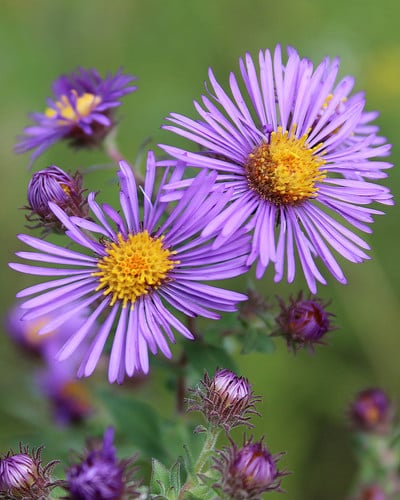
Parasenecio hastatus
(L.) H. Koyama.
Yobusuma-so
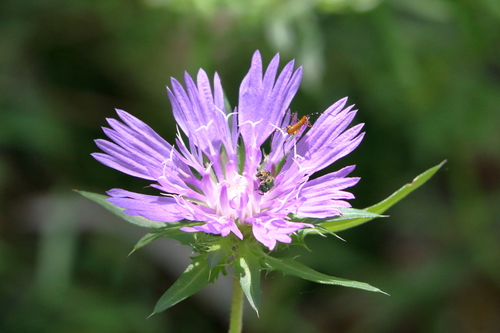
iNaturalist· cc-by-nc
(c) Anastasiia Merkulova, some rights reserved (CC BY-NC)
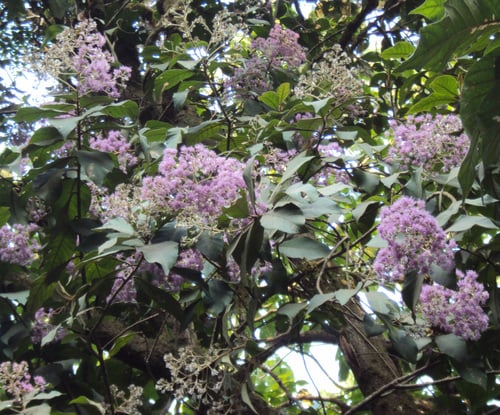
iNaturalist· cc-by-nc
(c) Anastasiia Merkulova, some rights reserved (CC BY-NC)
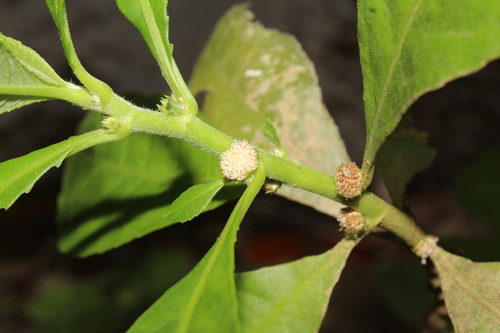
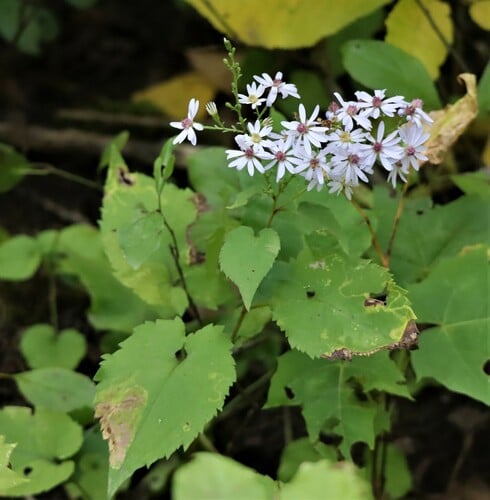
iNaturalist· pd
Qwert1234, no known copyright restrictions (public domain)
Summary
Source: WikipediaParasenecio hastatus (Chinese: 山尖子, shānjiānzi) is a flowering plant species in the genus Parasenecio found in China and East Asia. It contains toxic pyrrolizidine alkaloids.
Description
A temperate herb in the Asteraceae family.
This description is brief — help expand it
Edible Uses
The young leaves are lightly boiled and eaten in soups, used as a potherb, or stir-fried.
Traditional Uses
The young leaves are lightly boiled and eaten in soups or used as a potherb or stir-fried.
This uses section is brief — help expand it
Distribution
It is a temperate plant.
Where It Grows
Asia, Japan, Korea, Mongolia,
Synonyms
References (4)
- Facciola, S., 1998, Cornucopia 2: a Source Book of Edible Plants. Kampong Publications, p 35 (As Cacalia hastata var. orientalis)
- Plants for a Future database, The Field, Penpol, Lostwithiel, Cornwall, PL22 0NG, UK. http://www.scs.leeds.ac.uk/pfaf/ (As Cacalia hastata var. orientalis and also as Cacalia hastata var. tanakae)
- Tanaka,
- Urgamal, M., Oyuntsetseg, B., Nyambayar, D. & Dulamsuren, Ch. 2014. Conspectus of the vascular plants of Mongolia. (Editors: Sanchir, Ch. & Jamsran, Ts.). Ulaanbaatar, Mongolia. “Admon“ Press. 334pp. (p. 199-230).