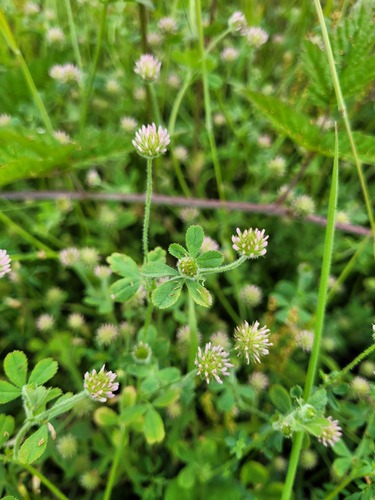
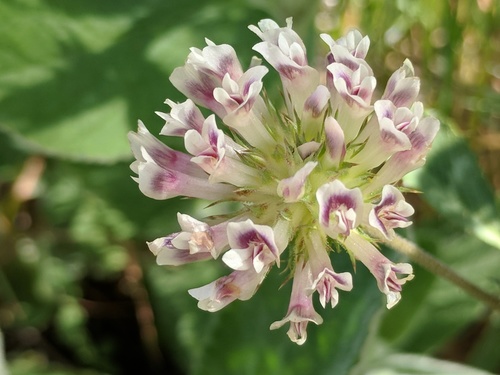
Trigonella stellata
Forsskal
Handagug
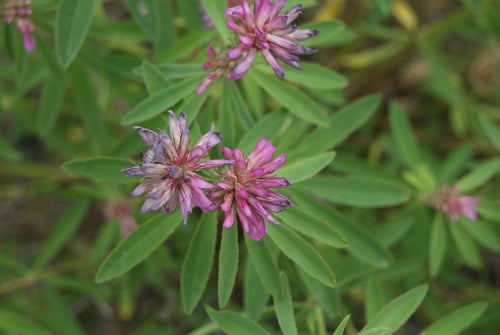
iNaturalist· cc-by-nc
(c) Abdulnaser Abdulkarim, some rights reserved (CC BY-NC), uploaded by Abdulnaser Abdulkarim
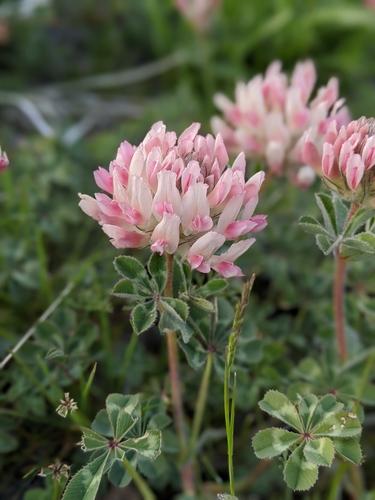
iNaturalist· cc-by-nc
(c) Ron Frumkin, some rights reserved (CC BY-NC), uploaded by Ron Frumkin
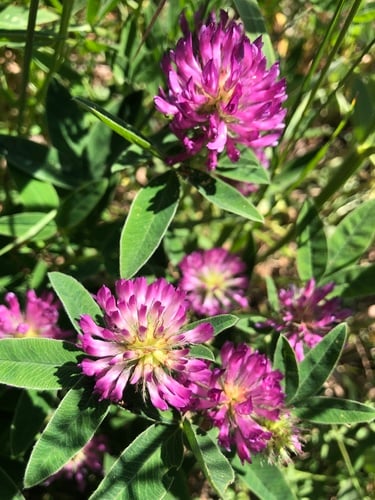
iNaturalist· cc-by-nc
(c) Ron Frumkin, some rights reserved (CC BY-NC), uploaded by Ron Frumkin
Description
A herb in the Fabaceae family with a Mediterranean climate distribution.
This description is brief — help expand it
Edible Uses
The leaves are used as a condiment with clarified butter and as seasoning. The young shoots are consumed. The seeds are dried, ground, and used as flavoring.
Traditional Uses
The leaves are used as a condiment with clarified butter. They are also used as seasoning. The seeds are dried and ground and used as flavouring.
This uses section is brief — help expand it
Distribution
It is a Mediterranean climate plant.
Where It Grows
Africa, Central Asia, Egypt - Sinai, Israel, Jordan, Libya, Mediterranean, Middle East, North Africa, Tajikistan,
References (4)
- Al-Qura'n, S. A., 2010, Ethnobotanical and Ecological Studies of Wild Edible Plants in Jordan. Libyan Agriculture Research Center Journal International 1(4):231-243
- Bailey, C. and Danin, A., 1981, Bedouin Plant Utilization in Sinai and the Negev. Economic Botany 35(2): 145-162
- Mahklouf, M. H., 2019, Ethnobotanical Study of Edible Wild Plants in Libya. European Journal of Ecology. 5(2): 30-40
- Tukan, S. K., et al, 1998, The use of wild edible plants in the Jordanian diet. International Journal of Food Sciences and Nutrition. 49:225-235