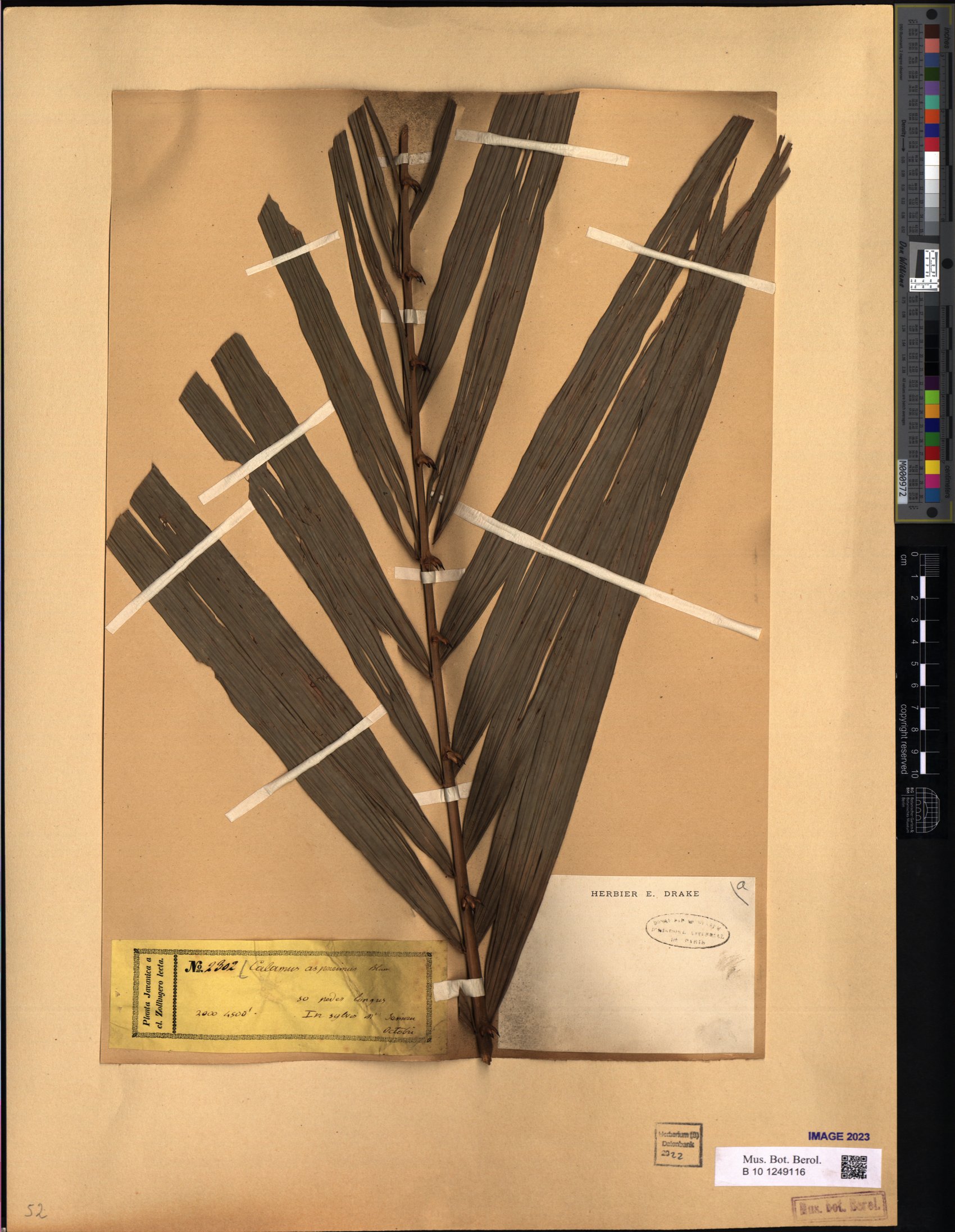
Pholidostachys synanthera
(Mart.) H. Moore
Palma paja cambana
iNaturalist· cc-by
(c) Jens-Christian Svenning, some rights reserved (CC BY), uploaded by Jens-Christian Svenning
iNaturalist· cc-by-nc
(c) Juan Alvaro, some rights reserved (CC BY-NC)
Description
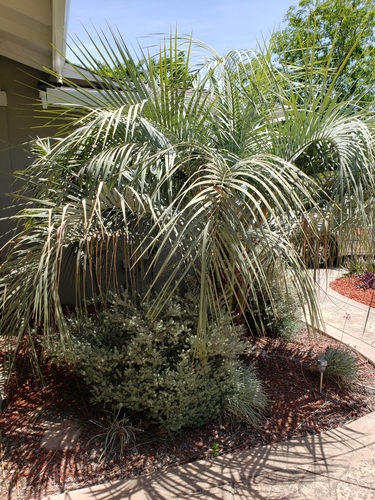
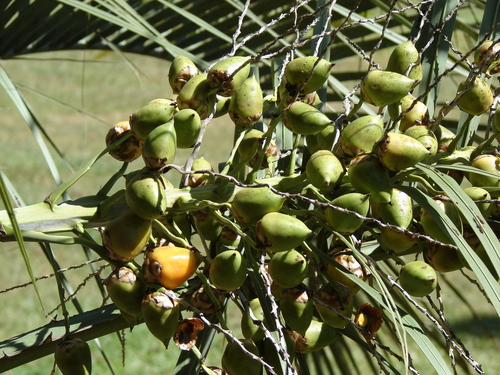
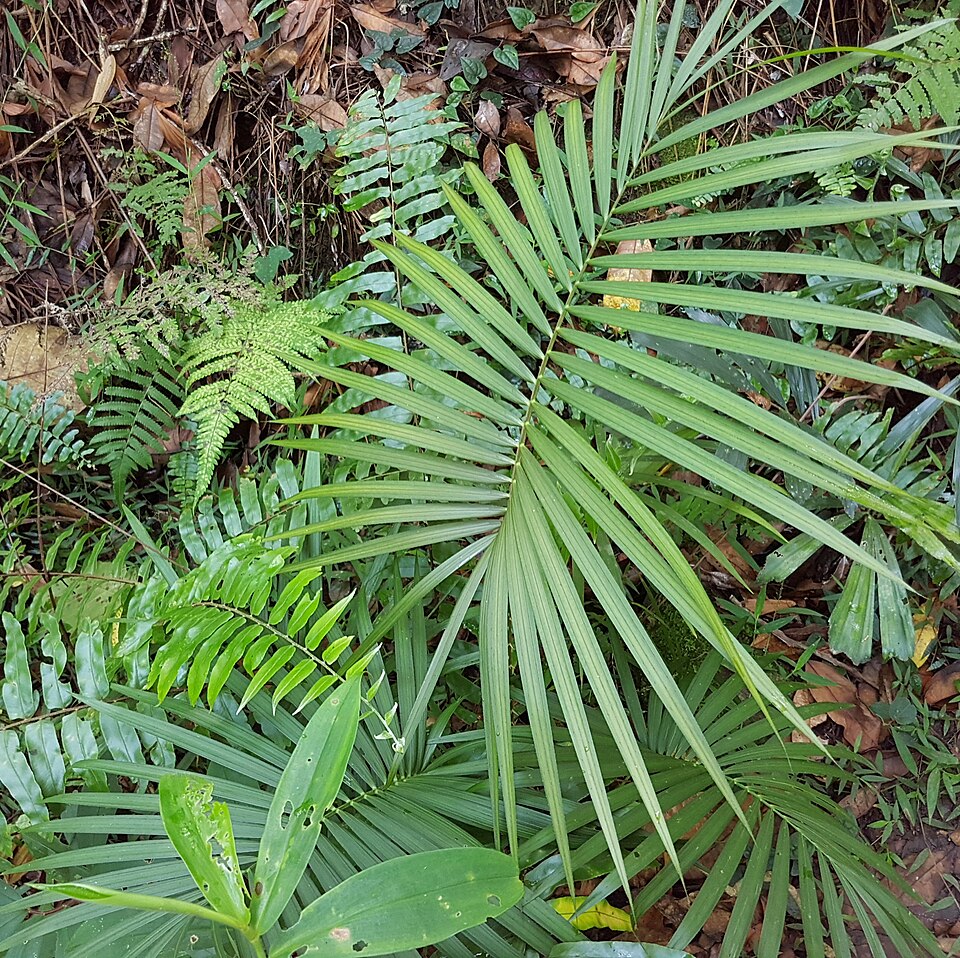
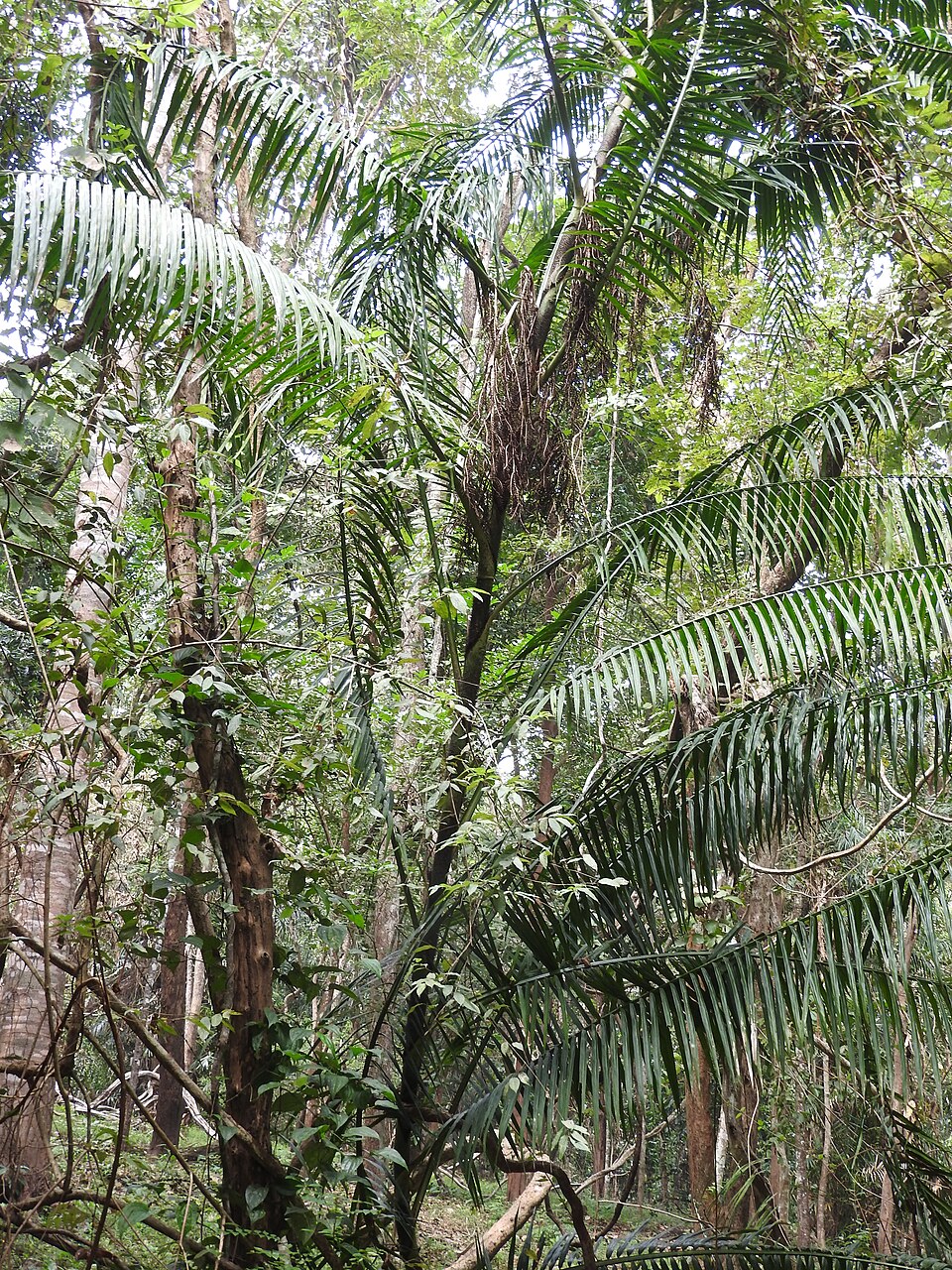
A palm. The stems are 3 m long and 6 cm wide. They can be larger. There are 15 leaves in the stem. The sheath is 32 cm long. The leaves are 0.8-1.3 m long. There are 10 leaflets on each side. The fruit are 14 mm long by 8 mm wide.
Edible Uses
Leaves - cooked. The apical bud, often known as a 'palm heart', is eaten as a vegetable. Eating this bud leads to the death of the tree because it is unable to make side shoots.
Distribution
It is a tropical plant. It grows between 500-1,500 m above sea level.
Where It Grows
Amazon, Andes, Brazil, Central America, Colombia, Ecuador, Panama, Peru, South America,
Other Uses
The leaves are used as thatch.
Synonyms
Also Known As
Cambana, Chalar, Kampanak, Pajo cambana, Palmicha, Pe-co-r, Shimpi, Tukuunak, Ubim, Ubim uassu, Wayur mayna
References (9)
- Grandtner, M. M. & Chevrette, J., 2013, Dictionary of Trees, Volume 2: South America: Nomenclature, Taxonomy and Ecology. Academic Press p 493
- Kermath, B. M., et al, 2014, Food Plants in the Americas: A survey of the domesticated, cultivated and wild plants used for Human food in North, Central and South America and the Caribbean. On line draft. p 642
- Marcia, M. J., et al, 2011, Palm Uses in Northwestern South America: A Quantitative Review. Bot. Rev. (2011) 77:462-570
- Palmpedia
- Roa, J. A. G. & Boada, D. S. G., 2018, Fundación para el Fortalecimiento de la Fruticultura y Plantas Alimenticias no Convencionales en Colombia.
Show all 9 references Hide references
- Torre, de la L., et al, 2008, Enciclopedia de las Plantas Útiles del Ecuador. Herbario QCA. Pontificia Universidad Católica del Ecuador. p 207
- Van den Eynden, V., et al, 2003, Wild Foods from South Ecuador. Economic Botany 57(4): 576-603
- Van den Eynden, V. et al, 2004, Edible Palms of Southern Ecuador. Palms Volume 48(3):142-148
- World Checklist of Useful Plant Species 2020. Royal Botanic Gardens, Kew