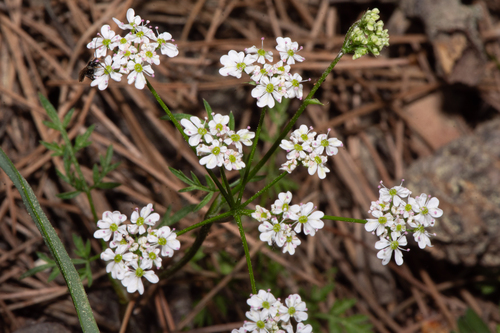
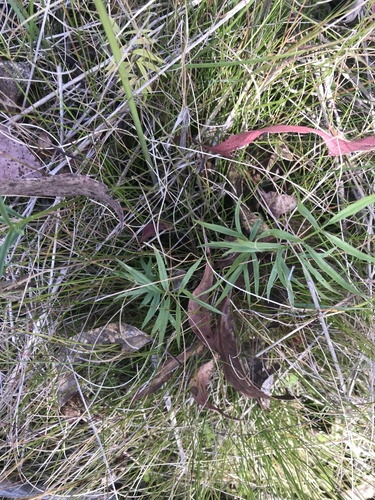
Diposis patagonica
Skottsberg
Yocon, Ilicum
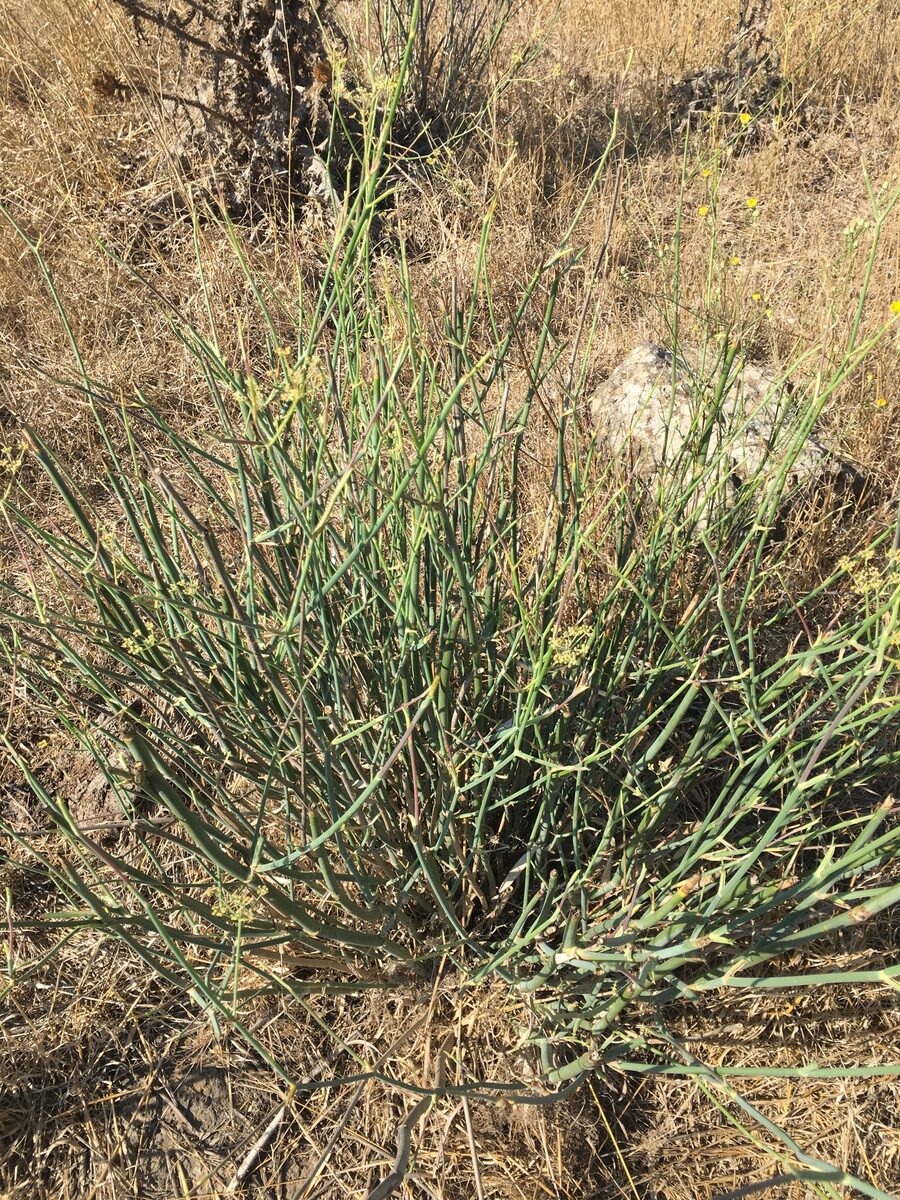
iNaturalist· cc-by
(c) Ariadna Tripaldi, some rights reserved (CC BY), uploaded by Ariadna Tripaldi
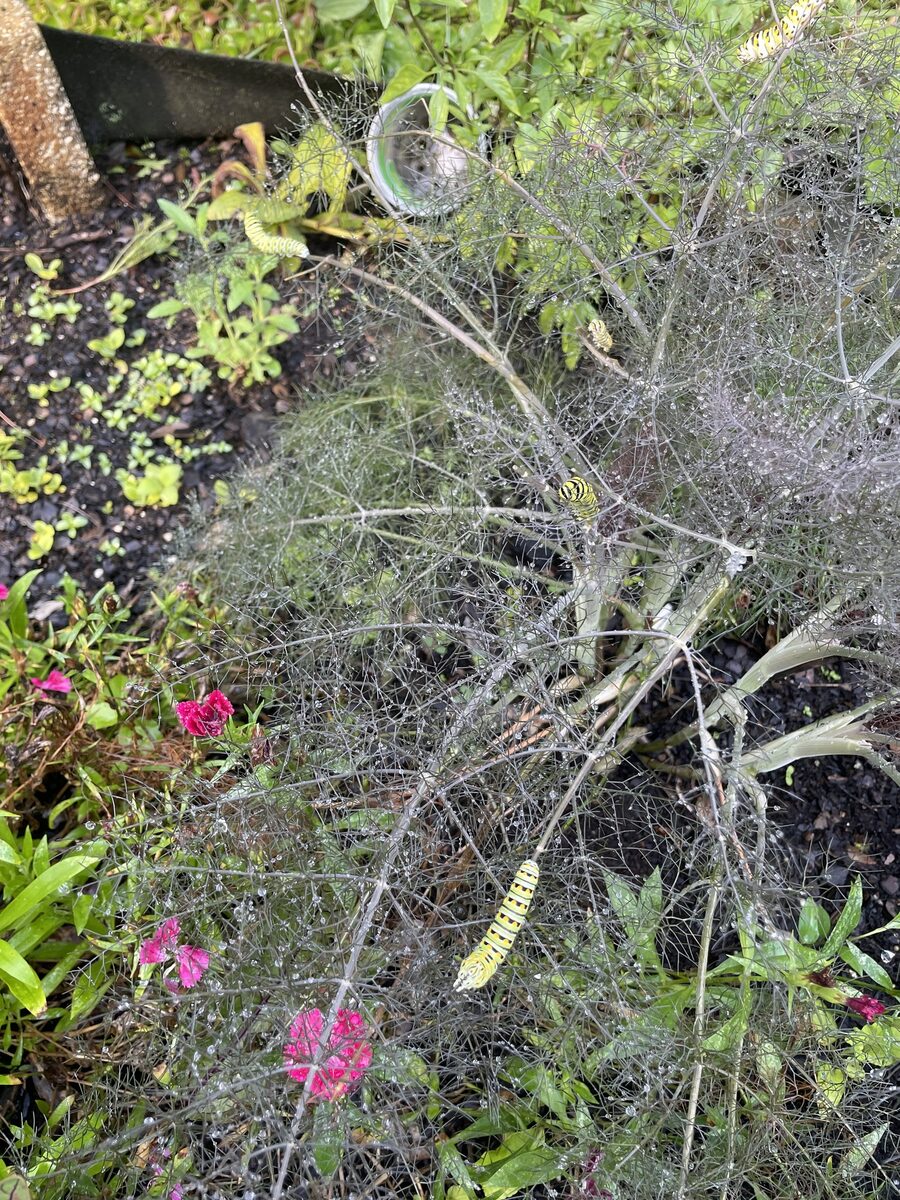
iNaturalist· cc-by-nc
(c) Marcela Ferreyra, some rights reserved (CC BY-NC), uploaded by Marcela Ferreyra
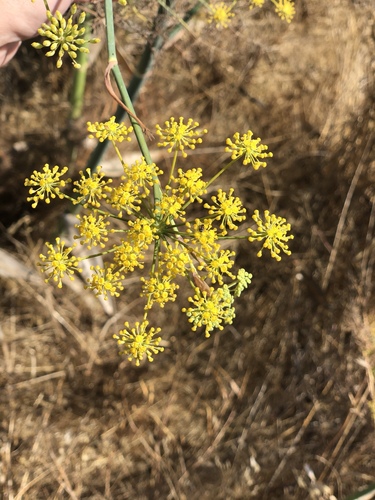
iNaturalist· cc0
no rights reserved, uploaded by ANDRÉS GONZÁLEZ
Description
A herb. It grows 10-30 cm high. The leaves are very much divided. The root/tuber is round.
This description is brief — help expand it
Edible Uses
The roots are eaten raw, roasted, or boiled.
Traditional Uses
The roots are eaten raw or roasted or boiled.
This uses section is brief — help expand it
Distribution
It is a temperate plant. It grows on the Patagonian steppe in Argentina on rocky ground. It grows below 500 m above sea level.
Where It Grows
Argentina*, South America,
Also Known As
Yocon-Ilocum
References (6)
- Ladio, A. H. & Lozada, M., 2000, Edible Plant Use in a Mapuche Community of North-western Patagonia, Human Ecology. Vol. 28, No. 1. pp. 53-71
- Ladio, A. H., 2001, The Maintenance of Wild Edible Plant Gatherings in a Mapuche Community of Patagonia. Economic Botany, Vol. 55, No. 2, pp. 243-254
- Ladio, A. H. and Lozada, M., 2003, Comparison of wild edible plant diversity and foraging strategies in two aboriginal communities of northwestern Patagonia. Biodiversity and Conservation 12: 937–951
- Ladio, A. H. and Lozada, M., 2004, Patterns of use and knowledge of wild edible plants in distinct ecological environments: a case study of a Mapuche community from northwestern Patagonia. Biodiversity and Conservation 13:1153-1173
- Ladio, A., Lozada, M. & M. Weigandt, 2007, Comparison of traditional wild plant knowledge between aboriginal communities inhabiting arid and forest environments in Patagonia, Argentina. Journal of Arid Environments 69 (2007) 695–715
Show all 6 references Hide references
- Ochoa, J. S., & Ladio, A, H, 2015, Current use of wild plants with edible underground storage organs in a rural population of Patogonia: between tradition and change. Journal of Ethnobiology and Ethnomedicine 11:70