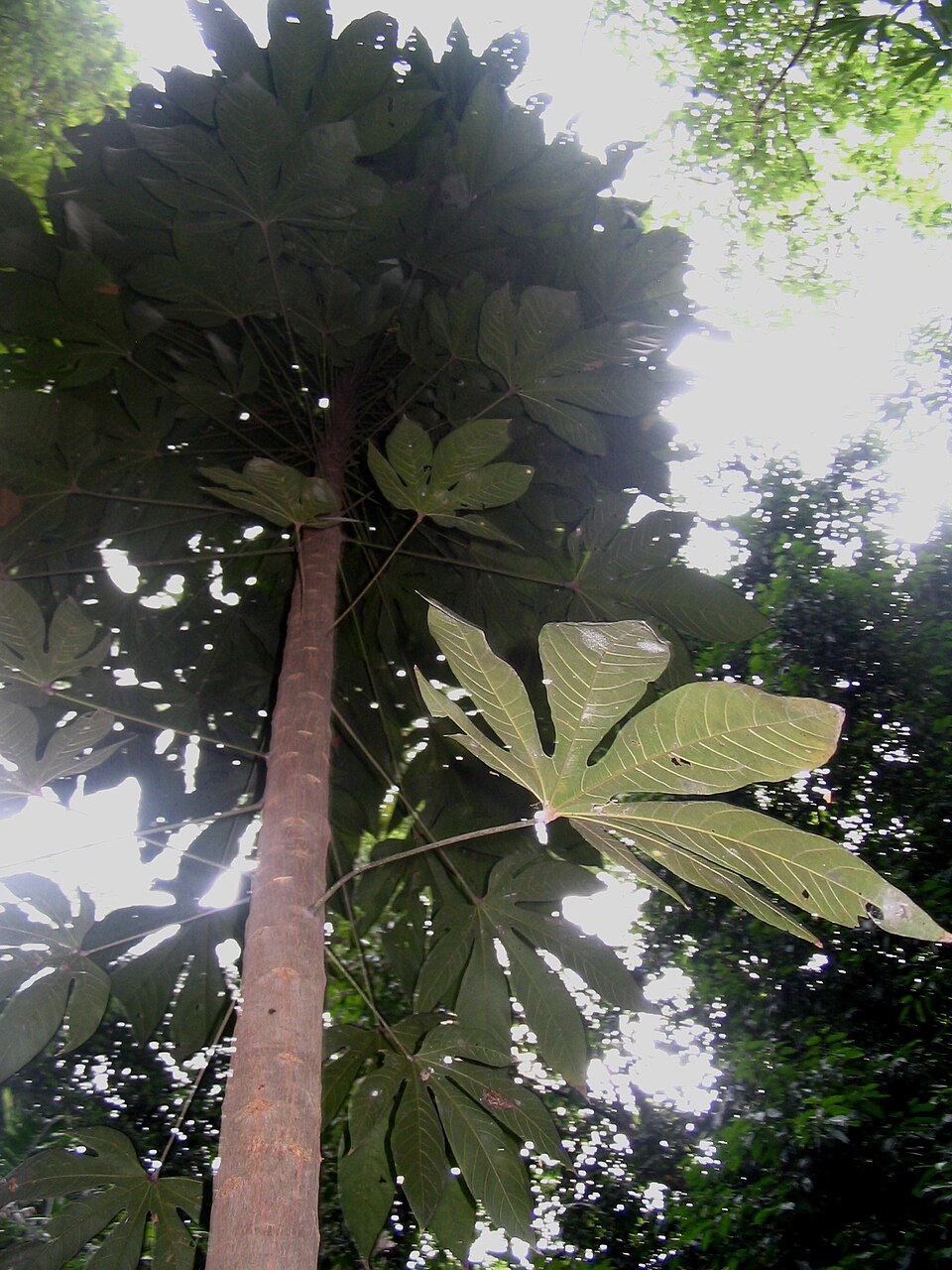
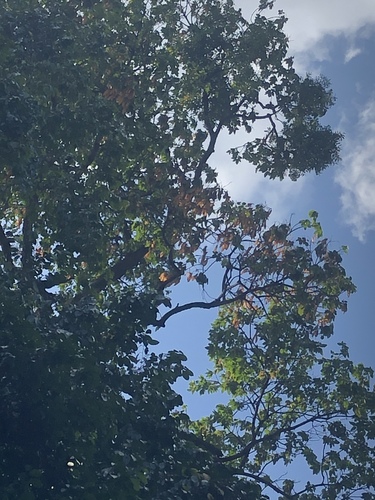
Theobroma nemorale
Cuatrec.
gbif· cc-by-nc
Field Museum of Natural History - Botany Department
gbif· cc-by-nc
Field Museum of Natural History - Botany Department | GDI 2013-2015
Description
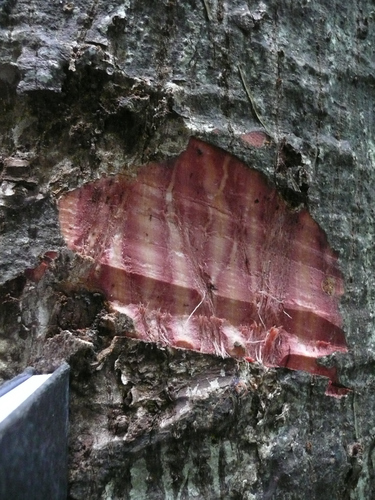
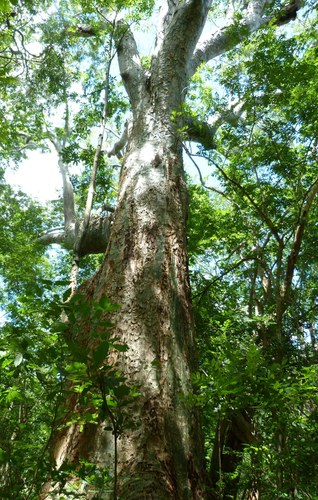
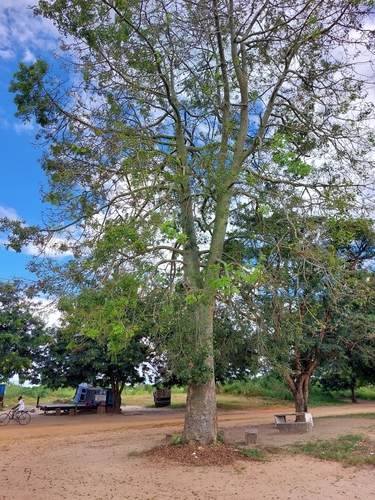
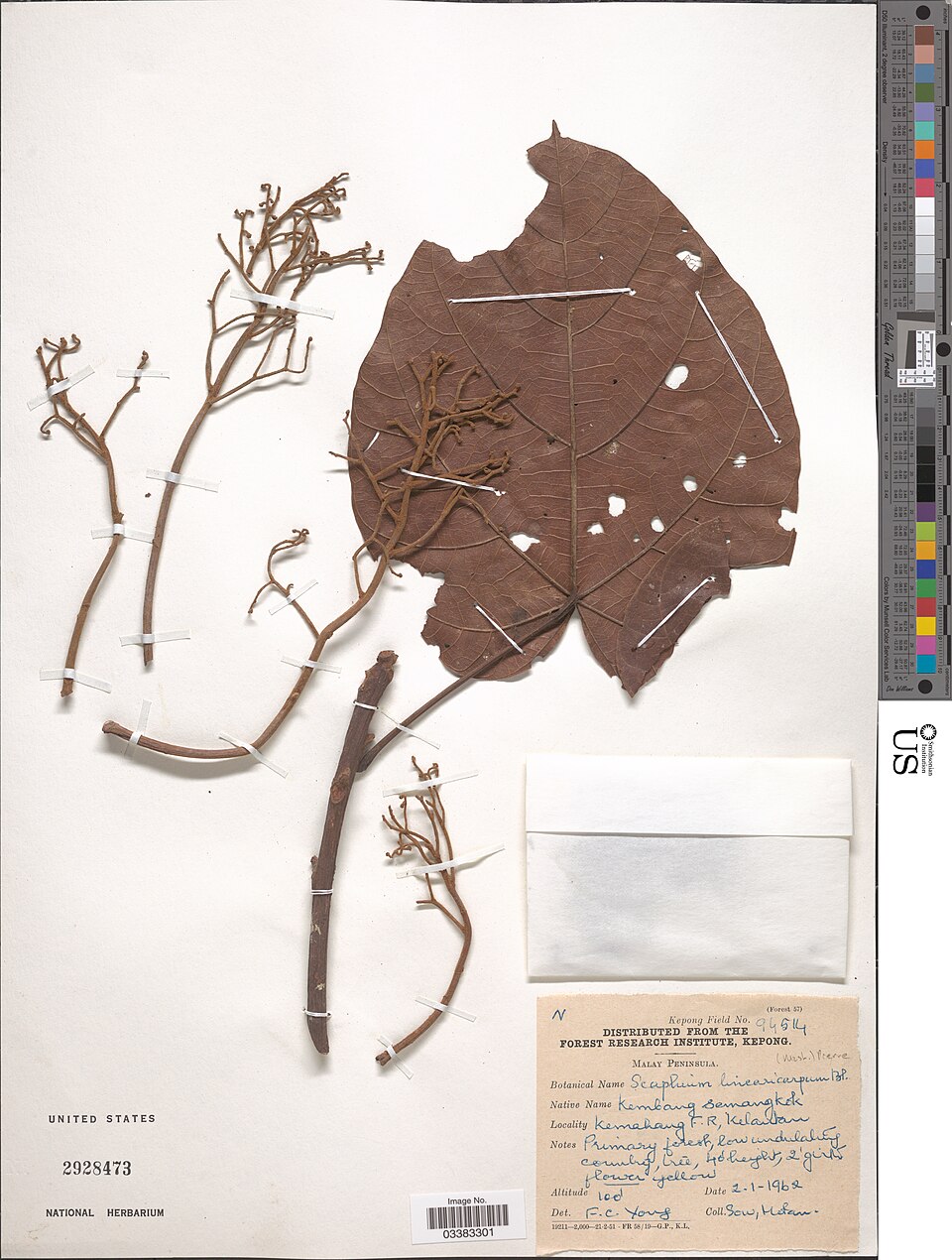
A tropical tree in the Malvaceae family, growing from sea level to 50 m elevation. The seeds and fruit aril are edible components.
This description is brief — help expand it
Edible Uses
Several species of Theobroma produce edible seeds, notably cacao, cupuaçu, and mocambo. Cacao is commercially valued as the source of cocoa and chocolate. Theobroma species are used as food plants by the larvae of some moths of the genus Endoclita, including E. chalybeatus, E. damor, E. hosei and E. sericeus. The larvae of another moth, Hypercompe muzina, feed exclusively on Theobroma cacao. An active ingredient of cacao, theobromine, is named for the genus.
Traditional Uses
The seeds are processed to make chocolate.
This uses section is brief — help expand it
Medicinal Uses
Although no specific reports of medicinal use have been seen for this plant, the seed is a source of cacao powder and butter. These products have the following medicinal uses:- Cacao powder and butter, which are obtained from the seed, are nutritive. The butter is also applied externally as an emollient. Cacao powder is taken internally in the treatment of angina and high blood pressure. Cacao butter is an excellent emollient, being applied to the skin to soothe and soften it. It is used traditionally to treat chapped skin and burns, and is also rubbed into bruises. Research has shown that it can help to counter the bacteria responsible for boils and septicaemia.
Distribution
It is a tropical plant. It grows from sea level to 50 m above sea level.
Where It Grows
Colombia, South America,
Cultivation
A plant of the hot, moist, lowland tropics. It grows best in areas where annual daytime temperatures are within the range 20 - 30°c, tolerating 16 - 40°c. It requires a mean annual rainfall within the range 2,000 - 8,000mm, evenly distributed throughout the year. Grows best in the dappled shade of other trees. Prefers a relatively rich, circumneutral soil. The plant is not drought tolerant, being unable to withstand even short dry seasons without the protection of dense shade and local humidity.
Propagation
Seed - it has a very short viability, requiring high humidity and optimum temperatures to remain viable. There is no dormancy, the seed often germinating whilst still inside the pod.
Other Uses
An oil, known as cacao butter, which is solid at room temperature, is obtained from the seed. In addition to being used locally as a food and medicine, cacao butter is important in the cosmetics and pharmaceutical industries.
Notes
Also put in the family Byttneriaceae and the family Sterculiaceae.
References (2)
- Galeano, G., 2000, Forest Use at the Pacific Coast of Choco, Colombia: A Quantitative Approach. Economic Botany, Vol. 54, No. 3, pp. 358-376
- Roa, J. A. G. & Boada, D. S. G., 2018, Fundación para el Fortalecimiento de la Fruticultura y Plantas Alimenticias no Convencionales en Colombia.