Hildegardia barteri
(Mast.) Kosterm.
Krobo Christmas tree, Kariya tree
iNaturalist· cc-by-nc
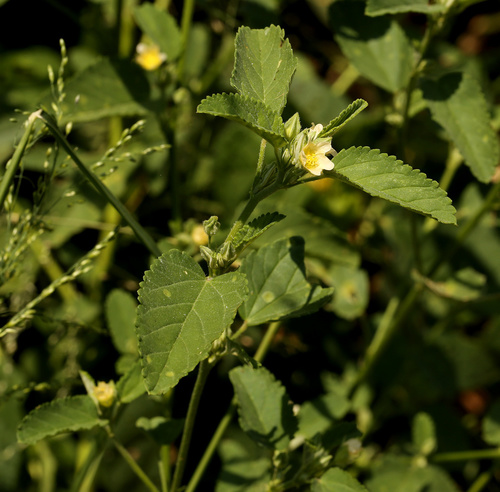
(c) Adedotun Ajibade, some rights reserved (CC BY-NC)
iNaturalist· cc-by-nc
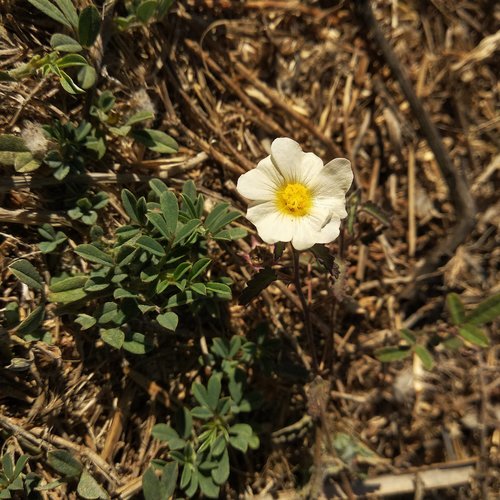
(c) basolo, some rights reserved (CC BY-NC)
iNaturalist· cc-by-nc
(c) basolo, some rights reserved (CC BY-NC)
Description
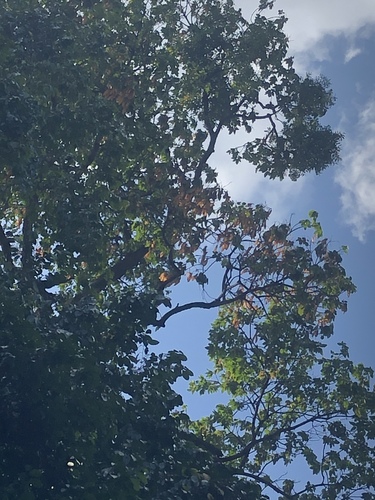
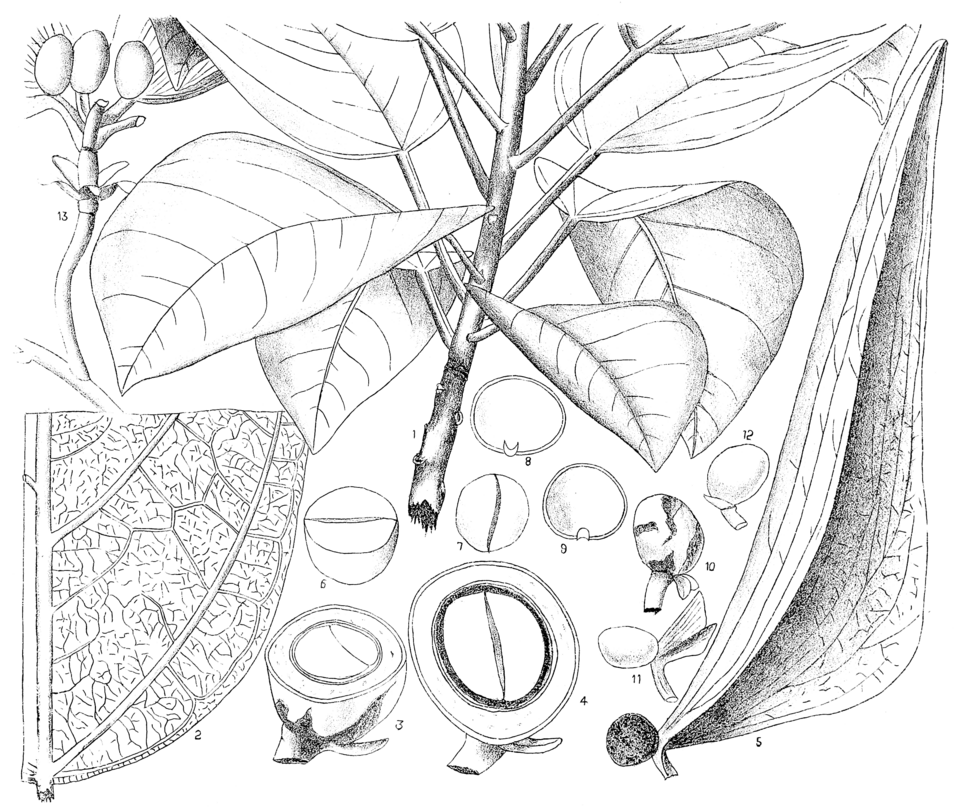
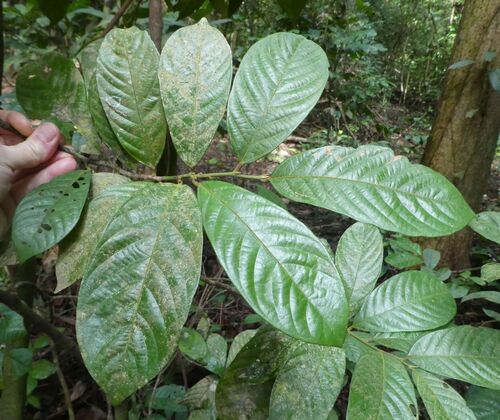
A large tree. It grows to 32 m high. It is 4 m around the trunk. It has buttresses. It loses its leaves during the year. The bark is smooth and green. The leaves are heart shaped. They are 15-25 cm long and broad. The leaf stalk is 7-25 cm long. The flowers are red and like tubes. They occur as several slender flowers near the ends of branches when the tree does not have leaves. The fruit are red and inflated.
Edible Uses
The seeds are eaten raw or roasted and used to thicken soup. An edible oil is extracted from the seeds, which also serve as a spice. The leaves are edible but require proper preparation before eating.
Traditional Uses
The leaves need to be correctly treated before eating. The seeds are eaten raw or roasted. They are used to thicken soup. The seeds are also the source of an edible oil.
Known Hazards
The leaves must be correctly treated before eating.
Distribution
It is a tropical plant. It grows in drier places in the lowland rainforest. It suits humid locations. It grows on rocky hills. It quickly establishes and grows in open places.
Where It Grows
Africa, Asia, Benin, Cameroon, Central Africa, Côte d'Ivoire, Ghana, Indonesia, Ivory Coast, Nigeria, SE Asia, Togo, West Africa*,
Cultivation
Plants can be grown from seeds. Plants can be budded. Plants can be grown from stem cuttings.
Propagation
Seed - Suckers Cuttings of half-ripe wood.
Other Uses
A fibre is obtained from the bark. Used to make cloth and ropes. The fibre is harsh and fairly strong. The whitish wood is light and very soft. It is used for making floats, plates and dishes. The fast growing suckers are planted to establish living fences.
Notes
There are about 8 Hildegardia species. Also put in the family Sterculiaceae.
Also Known As
Bronyadua, Eso, Kariya, Okurugbedu, Pohon natal krobo, Ufuku
References (16)
- Atato, A., et al, 2010, Diversity of Edible Wild Fruit Tree Species of Togo. Global Science Books.
- Bull. Jard. Bot. Etat. 24:337. 1954
- Burkill, H. M., 1985, The useful plants of west tropical Africa, Vol. 5. Kew.
- Busson, 1965,
- Codjia, J. T. C., et al, 2003, Diversity and local valorisation of vegetal edible products in Benin. Cahiers Agricultures 12:1-12
Show all 16 references Hide references
- Facciola, S., 1998, Cornucopia 2: a Source Book of Edible Plants. Kampong Publications, p 239
- FAO Corporate Document Repository. The Major Significance of 'Minor' Forest Products. Appendix 3
- Heywood, V.H., Brummitt, R.K., Culham, A., and Seberg, O., 2007, Flowering Plant Families of the World. Royal Botanical Gardens, Kew. p 311
- Irvine,
- Jardin, C., 1970, List of Foods Used In Africa, FAO Nutrition Information Document Series No 2.p 34
- Keay, R.W.J., 1989, Trees of Nigeria. Clarendon Press, Oxford. p 120
- Kunkel,
- Peters, C. R., O'Brien, E. M., and Drummond, R.B., 1992, Edible Wild plants of Sub-saharan Africa. Kew. p 188
- Schatz, G.E., 2001, Generic Tree Flora of Madagascar. Royal Botanical Gardens, Kew and Missouri Botanical Garden. p 249 (Genus)
- Sukarya, D. G., (Ed.) 2013, 3,500 Plant Species of the Botanic Gardens of Indonesia. LIPI p 325
- World Checklist of Useful Plant Species 2020. Royal Botanic Gardens, Kew