Quercus vulcanica
(Boiss. et Heldr.) Kotschy
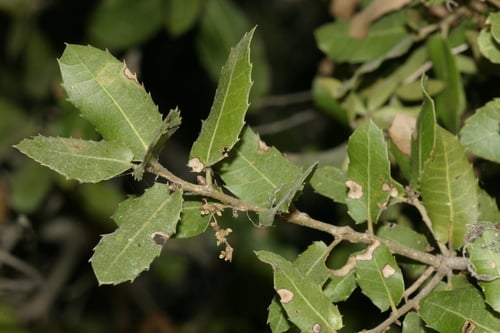
iNaturalist· cc-by-nc
(c) Kuzey Işık, some rights reserved (CC BY-NC)
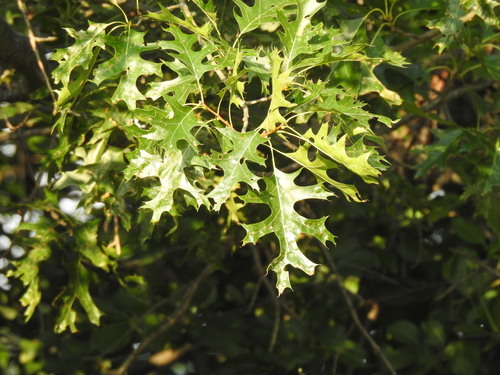
iNaturalist· cc-by-nc
(c) Mehmet Göktuğ Öztürk, some rights reserved (CC BY-NC)
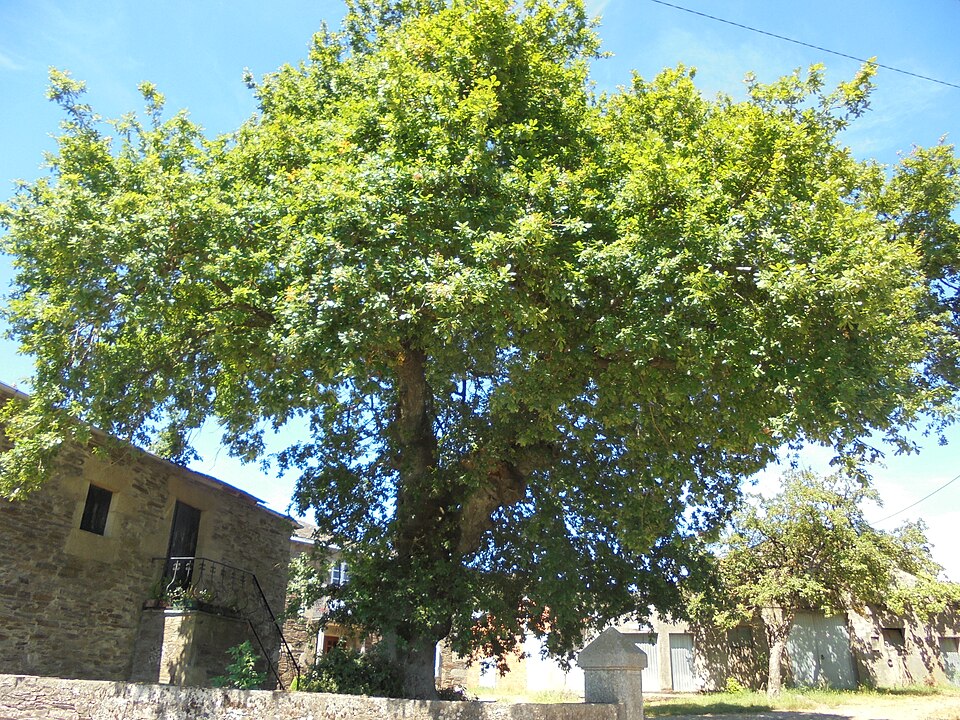
wikimedia· cc-by-sa
Wikimedia Commons - Bournabat
Summary
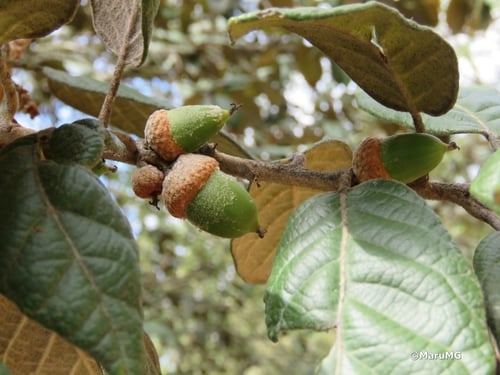
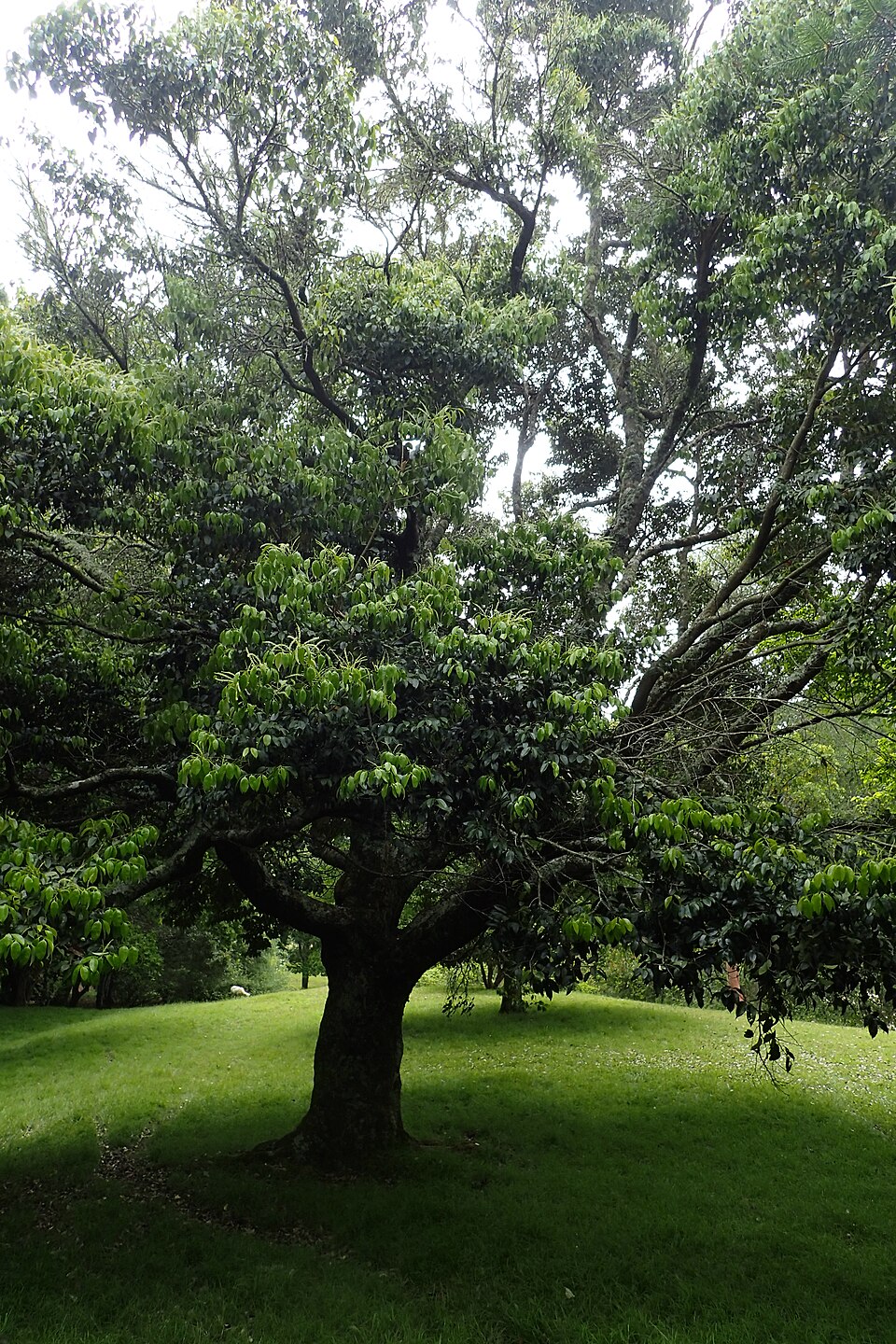
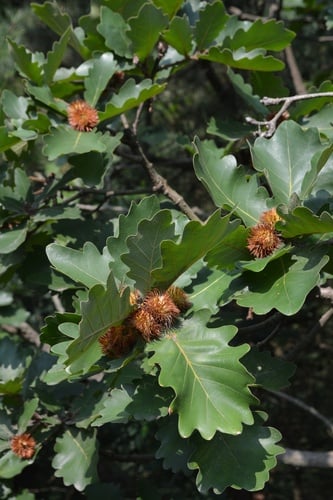
Source: WikipediaQuercus vulcanica is a species of flowering plant in the Fagaceae family. It is referred to by the common name Kasnak oak, and is a rare species of tree native to Lebanon, Syria, and Turkey. It is placed in section Quercus. Quercus vulcanica is highly valued in its native region as a source of lumber and also as an ornamental. It is a large tree up to 33 metres (108 feet) tall, with a trunk sometimes attaining 150 centimetres (59 inches) in diameter. The bark is gray and fissured. The leaves are up to 16 cm (6+1⁄4 in) long, egg-shaped with deep lobes, green on the top but yellow-green on the underside.
Description
A temperate tree in the Fagaceae family that produces edible acorns and nuts.
This description is brief — help expand it
Edible Uses
The seeds and acorns are eaten as nuts.
Distribution
It is a temperate plant.
Where It Grows
Turkey, Türkiye,
Also Known As
Kasnak mesesi
References (2)
- Ertug, F., 2000, An Ethnobotanical Study in Central Anatolia (Turkey). Economic Botany Vol. 54. No. 2. pp. 155-182
- Ertug, F, Yenen Bitkiler. Resimli Türkiye Florası -I- Flora of Turkey - Ethnobotany supplement