Castanopsis ceratacantha
Hick. et A. Camus
Wa shan zhui
iNaturalist· cc-by-nc
(c) 丁洪波, some rights reserved (CC BY-NC), uploaded by 丁洪波
Description
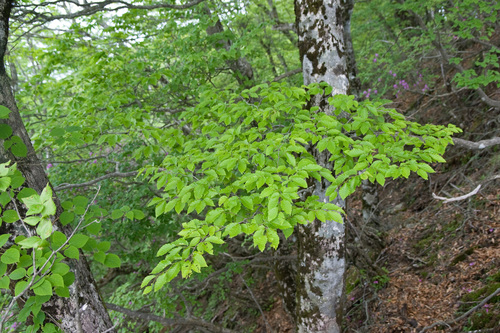
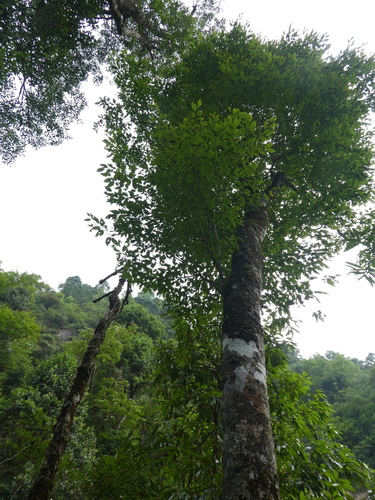
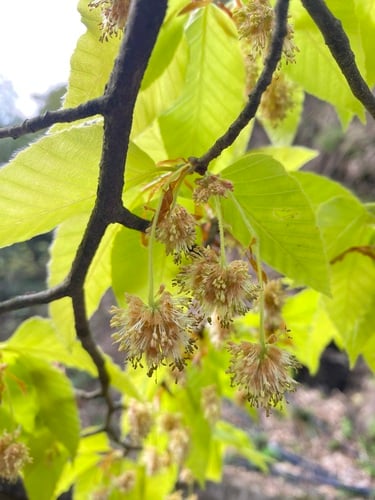
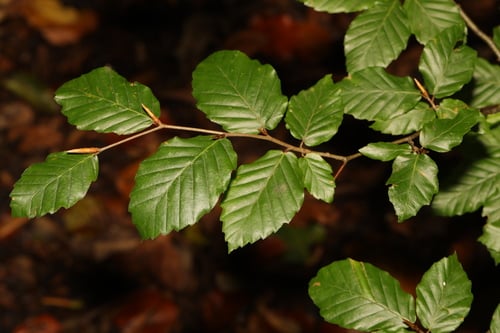
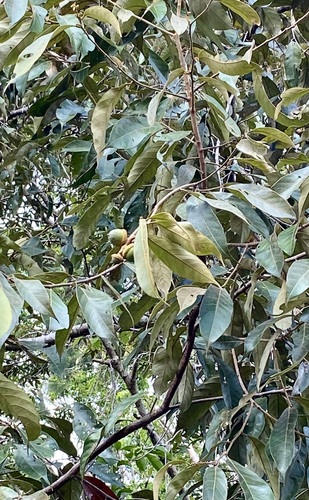
A small evergreen tree. It grows 10-15 m tall. The trunk is 25-30 cm across. The leaf blade is sword shaped. It is 10-18 cm long by 2-5 cm wide. It is papery. There are hairs on young plant parts. The leaves are velvety brown underneath. There are 13-17 side veins on each side of the main vein. The female flower stalks occur in clusters. They grow on new branches. There are 2-3 flowers per cup. This is about 3 cm across. The nuts are 1 or 2 per cup and are cone shaped. They are 1.5-1.8 cm long by 1.4-1.8 cm wide. They are hairy.
Edible Uses
The nuts are eaten and are sold in local markets.
Traditional Uses
The nut is eaten.
This uses section is brief — help expand it
Distribution
A tropical plant. It grows from 800 to 1500 m altitude. In China it grows in mixed and broad-leaved evergreen forest between 1500-2500 m altitude.
Where It Grows
Asia, China, Indochina, Laos, SE Asia, Thailand, Vietnam,
Other Information
The fruit is sold in markets.
Notes
There are about 120 Castanopsis species. Many have edible nuts.
Synonyms
Also Known As
Ko moog
References (4)
- Huang Chengjiu, Zhang Yongtian, Bartholomew, B., Fagaceae, Flora of China.
- Forest Inventory and Planning Institute, 1996, Vietnam Forest Trees. Agriculture Publishing House p 254
- Lehmann, L., et al, Forests and Trees of the Central Highlands of Xieng Khouang, Lao P. D. R., A field guide.
- www.mekonginfo.org/assets/midocs/0001714-environment-forests-and-trees-of-the-central-highlands-of-xieng-khouang-lao