Castanopsis chinensis
(Spreng) Hance
Chinese castanopsis
iNaturalist· cc-by
(c) Cheng-Tao Lin, some rights reserved (CC BY), uploaded by Cheng-Tao Lin
iNaturalist· cc-by-nc
(c) jess1006, some rights reserved (CC BY-NC)
Description
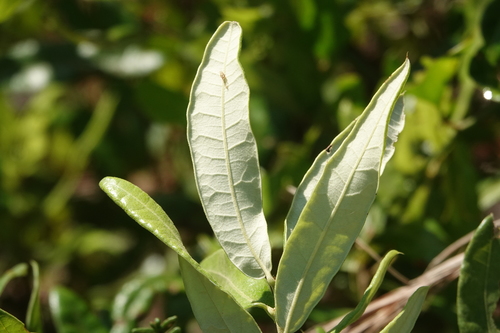
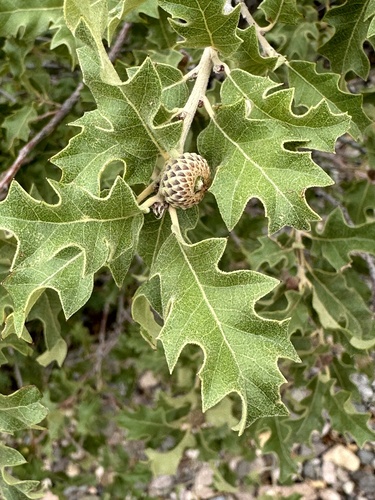
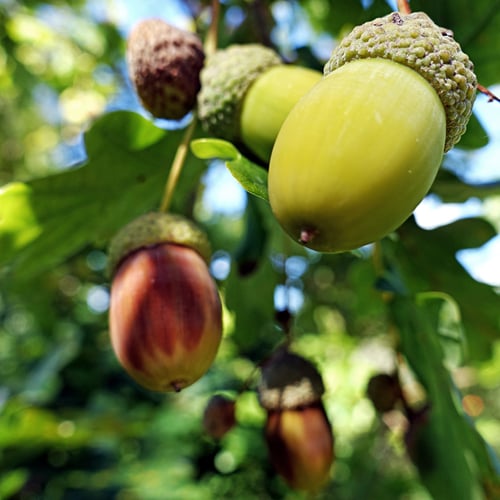
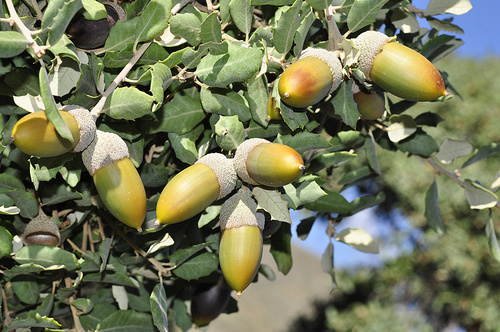
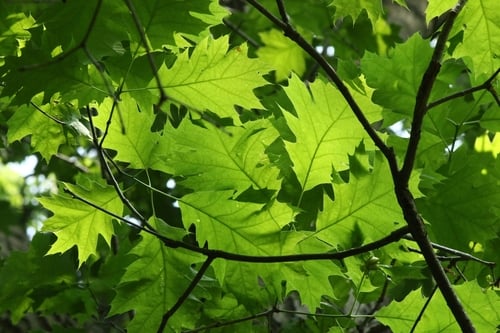
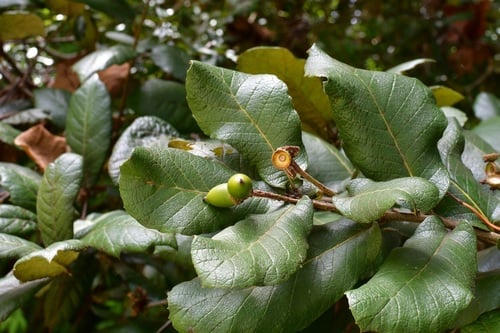
An evergreen tree. It is medium sized. It grows 10-20 m high. The leaf stalk is 1.5-2 cm long. The leaf blade is sword shaped. It is 7-18 cm long by 2-5 cm wide. It is papery to leathery. It is the same colour on both sides. The base is rounded. There are teeth on the edge towards the tip. The tip is heart shaped. There are 9-12 side veins on each side of the main vein. The female flowering stalk is produced on the ends of new small branches. The flowering stalk is 8-15 cm long with one flower per cup. The cup is round and 2.5-3.5 cm across. It splits into 3-5 parts. The outside is greyish brown and hairy when young. There are spine like bracts over the outside. The nut is cone shaped. It is 1.2-1.6 cm long by 1-1.3 cm wide.
Edible Uses
The nuts are eaten raw or roasted and contain 20% oil.
Traditional Uses
The nuts are eaten raw or roasted. They contain 20% oil.
This uses section is brief — help expand it
Distribution
A tropical plant. It grows between 200-1500 m altitude in central Vietnam. In China it grows in mixed and broad leafed evergreen forest below 1500 m altitude.
Where It Grows
Asia, China, Indochina, SE Asia, Vietnam,
Notes
There are about 120 Castanopsis species. Many have edible nuts.
Synonyms
Also Known As
Ca oi trun hoa, Zhui
References (4)
- Huang Chengjiu, Zhang Yongtian, Bartholomew, B., Fagaceae, Flora of China.
- Forest Inventory and Planning Institute, 1996, Vietnam Forest Trees. Agriculture Publishing House p 255
- Hu, Shiu-ying, 2005, Food Plants of China. The Chinese University Press. p 342
- Wickens, G.E., 1995, Edible Nuts. FAO Non-wood forest products. FAO, Rome. p 122