Vicia sativa subsp. nigra var. segetalis
L., (L.) Ehrh., (Thuill.) Ser. ex DC.
gbif· cc-by-sa
TAA - Estonian University of Life Sciences; Institute of Agricultural and Environmental Sciences; Vascular Plant Herbarium
gbif· cc-by-sa
TAA - Estonian University of Life Sciences; Institute of Agricultural and Environmental Sciences; Vascular Plant Herbarium
gbif· cc-by-sa
TAA - Estonian University of Life Sciences; Institute of Agricultural and Environmental Sciences; Vascular Plant Herbarium
Summary
Source: WikipediaVicia sativa, known as the common vetch, garden vetch, tare or simply vetch, is a nitrogen-fixing leguminous plant in the family Fabaceae. It is now naturalised throughout the world occurring on every continent, except Antarctica and the Arctic. The centre of diversity is thought to be the Fertile Crescent, although gold standard molecular confirmation is currently not available. Global common vetch cultivation is limited due to anti-nutritional compounds in the seed although it is grown in dryland agricultural zones in Australia, China and Ethiopia due to its drought tolerance and very low nutrient requirements compared to other legumes. In these agricultural zones common vetch is grown as a green manure, livestock fodder or rotation crop. In cultivated grainfields, like lentils, it is often considered a weed due to downgrading of harvested mixed grain, resulting in farmers receiving less financial returns.
Description
A herbaceous legume in the Fabaceae family found in temperate regions.
This description is brief — help expand it
Edible Uses
The seeds are eaten.
Distribution
It is a temperate plant.
Where It Grows
Mediterranean, Turkey, Türkiye,
Synonyms
References (2)
- Ertug, F., 2000, An Ethnobotanical Study in Central Anatolia (Turkey). Economic Botany Vol. 54. No. 2. pp. 155-182
- Zeven, A. C. & de West, J. M. J., 1982, Dictionary of cultivated plants and their regions of diversity. Wageningen. p 98
More from Fabaceae
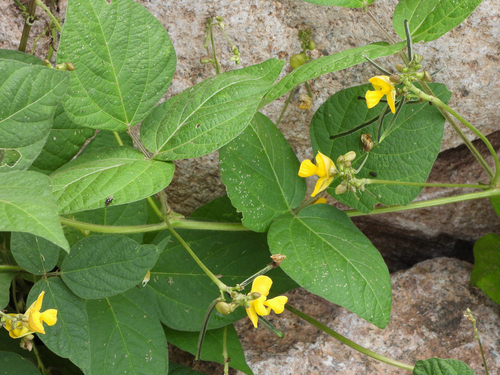
Vigna umbellata
Rice bean, Climbing-mountain-bean
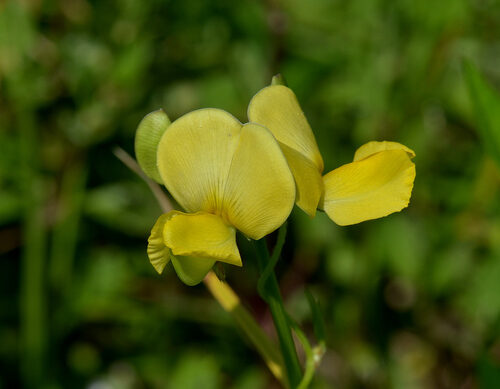
Vigna unguiculata
Cowpea, Black-eyed pea
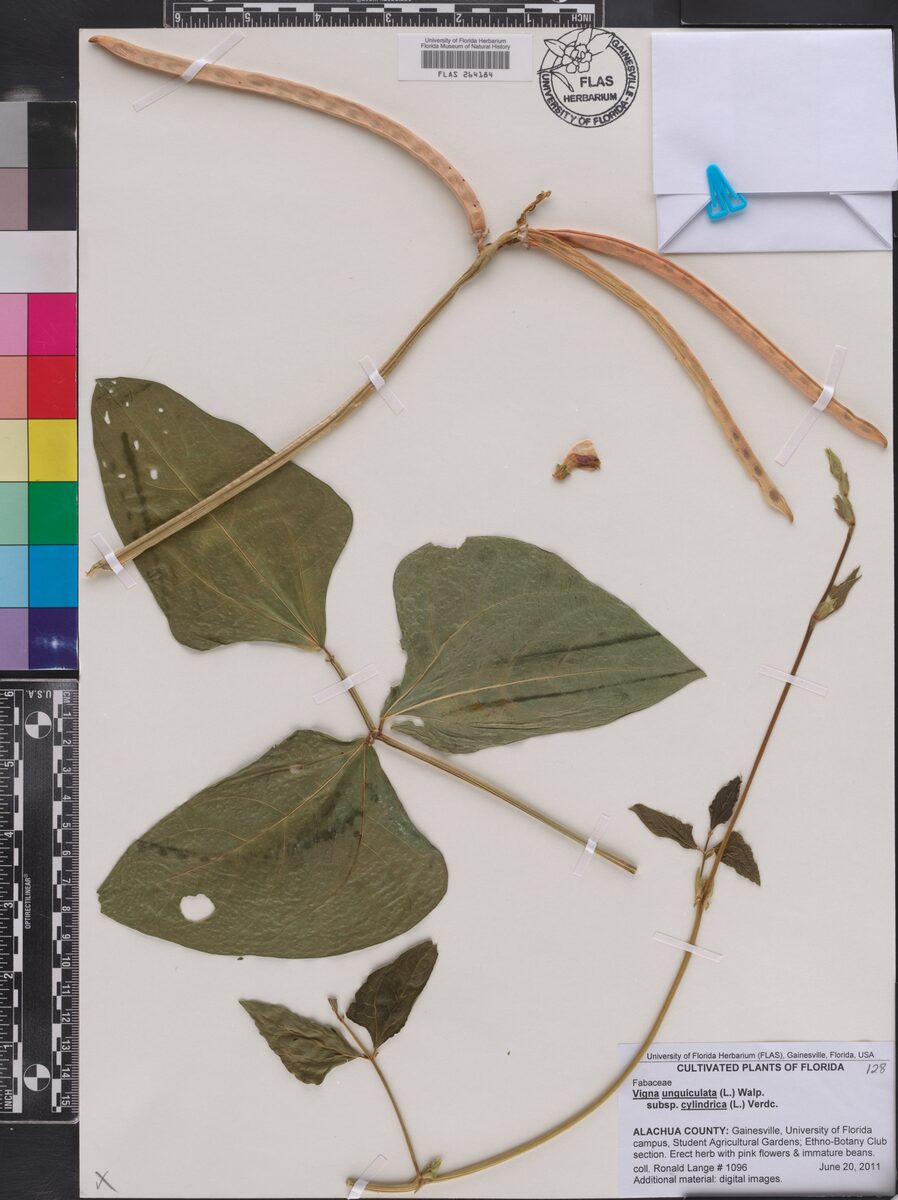
Vigna unguiculata cylindrica - (L.)Verdc.
Jerusalem Pea
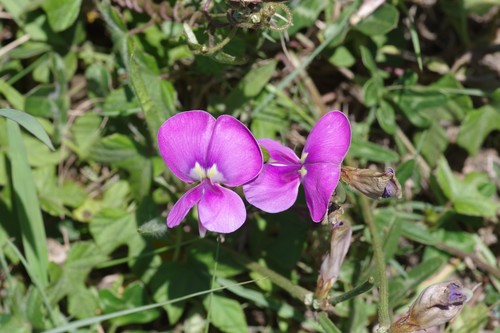
Vigna unguiculata subsp. catjang
Catjang bean, Cowpea, Marble pea
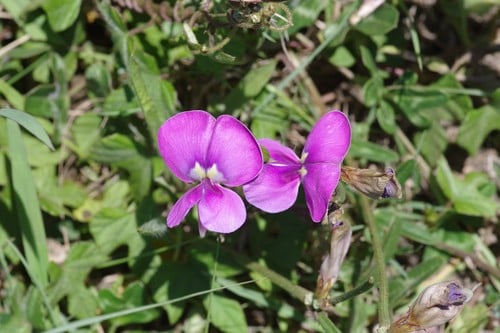
Vigna unguiculata subsp. cylindrica
Horse-gram of Madras, Catjang pea, Indian cowpea
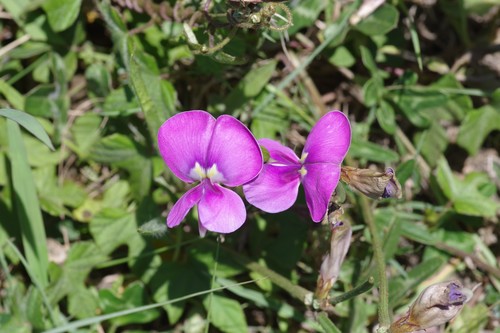
Vigna unguiculata subsp. dekindtiana
Wild cowpea, Black eyed pea