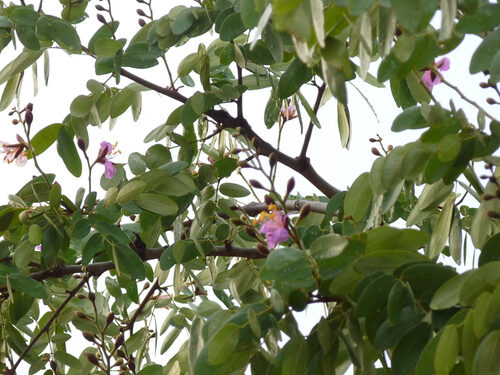
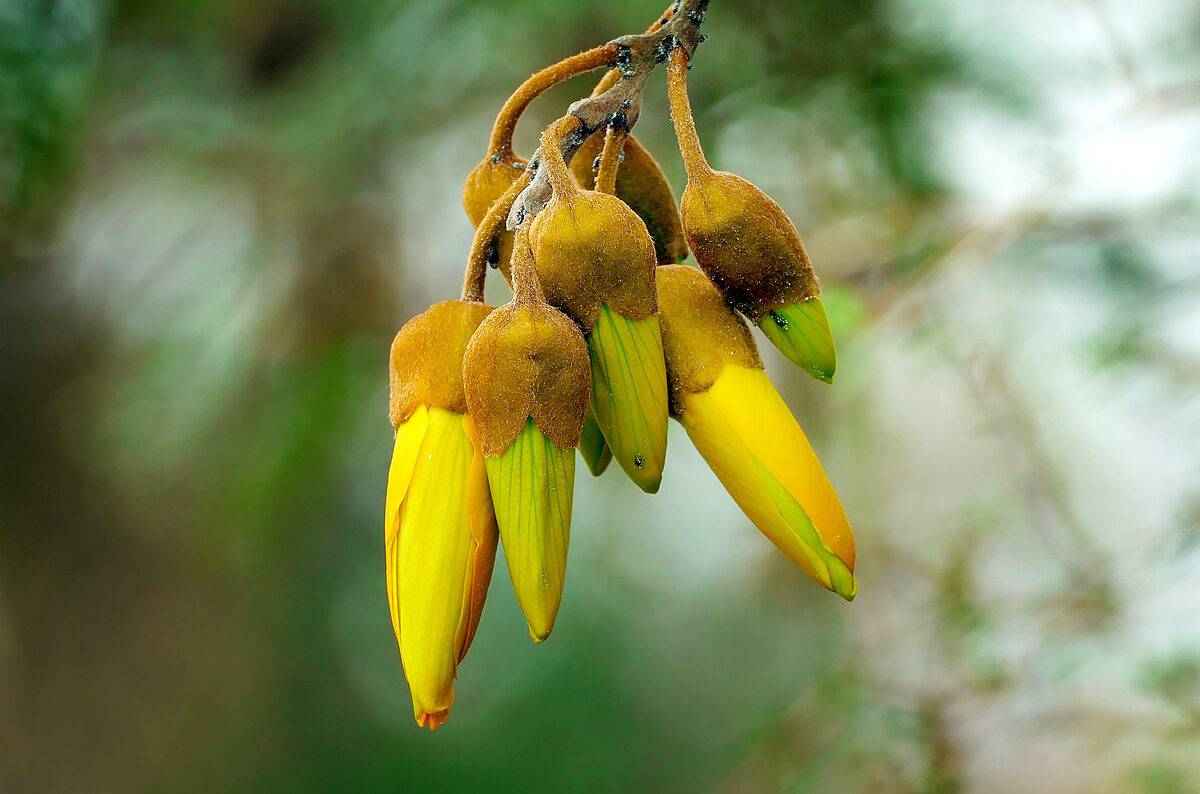
Erythrina vespertilio
Benth.
Bat’s Wing Coral Tree, Grey Corkwood
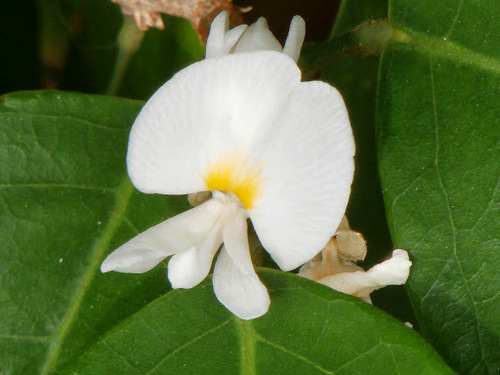
iNaturalist· cc-by
(c) coenobita, some rights reserved (CC BY), uploaded by coenobita
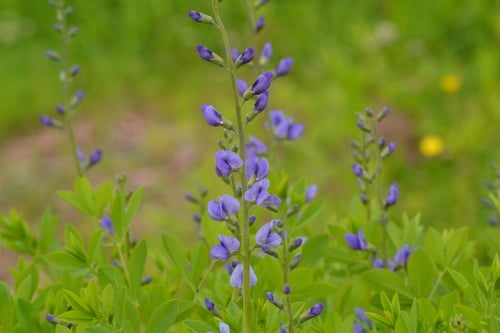
iNaturalist· cc-by-sa
(c) Greg Tasney, some rights reserved (CC BY-SA)
Summary
Source: WikipediaErythrina vespertilio is a tree native to north and north-east Australia. Its common names are grey corkwood, bat's wing coral tree, yulbah and the more ambiguous "bean tree". In the Western Desert language it is known as ininti and in Arrernte and Anmatyerr it is known as atywerety.
Description
A deciduous tree. It grows to 15-30 m high and spreads to 5 m across. The stem is erect and stout. The trunk can be 25-90 cm across. It tends to be a slender tree. The bark is rough and has prickles. The small branches are thorny. The leaves have 3 leaflets. The leaflets are broadly wedge shaped at the base. The leaflets are 7-12 cm long and 5-12 cm wide. They are divided into 2 lobes. The leaves vary a lot in shape but are often like a bat in flight. The flowers are pea shaped and red. They are 4 cm long. They occur in loose clusters 5-25 cm long. These occur on the ends of branches. The fruit are pods 6-12 cm long by 1.5 cm wide. They are uneven and black. They contain 2-8 seeds. The seeds are about 1.2 cm long. They are red or orange and glossy.
Edible Uses
It was widely traditionally used by Aboriginal Australians in Central Australia for making woomeras and coolamons. The Warlpiri, Anmatyerr, Arrernte and Alyawarr, use the wood to make shields, used either for warfare or ceremonially. These shields could then be used for making fire with the friction method. The bark is also considered to have traditional medicinal uses. The fruit contains alkaloids and the stem contains isoflavonoids. Phaseollidin (a flavonoid) showed cytotoxic activities in vitro against prostate cancer cell lines at high doses. The seeds are used to make decorations.
Traditional Uses
The roots are eaten raw.
This uses section is brief — help expand it
Medicinal Uses
The leaves are said to be sedative.
Known Hazards
All Erythrina species contain greater or lesser amounts of toxic alkaloids - these can be found in all parts of the plant but are usually most concentrated in the seeds. Concentrations vary from species to species, in some it is low enough that the plant is safely used as a food. In many, the alkaloids are utilized for their medicinal effects. We have no specific information on the concentration of the alkaloids in this species, but care should be exercised in any use of the plant that involves ingestion. These alkaloids have a curare-like action (obtained from Strychnos species) and can cause paralysis and even death by respiratory failure.
Distribution
A tropical plant. It prefers light to medium soils. The soil needs to be well drained but can be of poor fertility. It needs an open sunny position. It can withstand drought and frost. Often they grow near the edges of rainforests but can also occur in dry open country. Plants do not suit cool, misty or humid conditions. It can grow in arid places. It suits hardiness zones 10-12.
Where It Grows
Australia*, Hawaii, Pacific, Papua New Guinea, PNG, USA,
Cultivation
Plants are grown from seed. The seed need to be treated to break the hard seed coat. Cuttings can be grafted onto seedling plants. Young trees transplant easily when leafless.
Propagation
Fresh seeds, and those harvested within 3 - 6 months of maturity, can be sown without any special treatment. Germination rates are generally high and are often 100%. Seeds over 6 months old may take between 12 - 18 months to germinate due to their hard seed coat which becomes tougher with age. Soaking them in hot water, or abrading their seedcoat, can reduce this time considerably. They may be added to water which has just fallen below boiling point and left in the water as it cools for a minimum of one hour, but up to 12 hours for seed 3 years or more old, and then sown in the usual way. Alternatively, file the seeds with a slender triangular file. A groove can be made through the sides of the seed coat with care so as to avoid damaging the cotyledons or embryo, which usually results in the death of the seeds from fungal attack or in malformed and weakened seedlings. Seeds of most species produce strong seedlings from healthy seeds in almost any well-drained soil, with a minimum of trouble from damping-off disease. Cuttings of half-ripe wood. Heeled cuttings of young growth. Species in this genus are generally easy to grow from cuttings. Many will strike well even from large cuttings placed in the open ground so long as they are kept moist but not too wet.
Other Uses
The seeds range in colour from red to light and dark browns and orange. They are used to make necklaces and body ornaments. The pale wood is light in weight, soft, not strong, not durable. It is used for making shields. Most Erythrina species are very easy to grow from cuttings, with even quite large branches striking well. In addition, they generally fix atmospheric nitrogen, have nutrient-rich leaves that make an excellent soil-enriching mulch, often have open crowns that do not overly restrict light, and are also often quite thorny and can provide impenetrable barriers to protect from unwelcome intrusions. Many species are therefore used as living fences to provide boundaries and livestock-proof hedges.
Other Information
It mainly occurs in Australia and has been introduced to Papua New Guinea.
Notes
There are 108 Erythrina species.
Also Known As
Aranyi, Bean Tree, Coral Tree, Goomurrie, Kuntan, Yirrikarluwuni
References (37)
- Anon., 2003, Native Plants for the Fitzroy basin. Society for Growing Australian Plants Inc. (Rockhampton Branch) p 16
- Bailey, F. M., 1913, Comprehensive Catalogue of Queensland Plants. Queensland Government. p 143
- Barwick, M., 2004, Tropical and Subtropical Trees. A Worldwide Encyclopedic Guide. Thames and Hudson p 169
- Bodkin, F., 1991, Encyclopedia Botanica. Cornstalk publishing, p 403
- Boomsma, C.D., 1972, Native Tree of South Australia. Woods & Forests Department South Australia, Bulletin No.19. p 77
Show all 37 references Hide references
- Cherikoff V. & Isaacs, J., The Bush Food Handbook. How to gather, grow, process and cook Australian Wild Foods. Ti Tree Press, Australia p 189, 200
- Cooper, W. and Cooper, W., 2004, Fruits of the Australian Tropical Rainforest. Nokomis Editions, Victoria, Australia. p 210
- Cribb, A.B. & J.W., 1976, Wild Food in Australia, Fontana. p 138
- Cronin, L., 1989, The Concise Australian Flora. Reed. p 171
- Elliot, W.R., & Jones, D.L., 1984, Encyclopedia of Australian Plants suitable for cultivation. Vol 3. Lothian. p 488 (Photo)
- Etherington, K., & Imwold, D., (Eds), 2001, Botanica's Trees & Shrubs. The illustrated A-Z of over 8500 trees and shrubs. Random House, Australia. p 291
- Hall, N. et al, 1972, The Use of Trees and Shrubs in the Dry Country of Australia, AGPS, Canberra. p 207
- Hearne, D.A., & Rance, S.J., 1975, Trees for Darwin and Northern Australia. AGPS, Canberra p 56
- Hibbert, M., 2002, The Aussie Plant Finder 2002, Florilegium. p 95
- Holliday, I., 1989, A Field Guide to Australian Trees. Hamlyn. p 128
- Isaacs, J., 1987, Bush Food, Aboriginal Food and Herbal Medicine. Weldons. p 102
- Kenneally, K.E., Edinger, D. C., and Willing T., 1996, Broome and Beyond, Plants and People of the Dampier Peninsula, Kimberley, Western Australia. Department of Conservation and Land Management. p 155
- Latz, P.K., 1996, Bushfires and Bushtucker: Aboriginal plant use in Central Australia. IAD Press Alice Springs p 179
- Lazarides, M. & Hince, B., 1993, Handbook of Economic Plants of Australia, CSIRO. p 96
- Lord, E.E., & Willis, J.H., 1999, Shrubs and Trees for Australian gardens. Lothian. p 15
- Melzer, R. & Plumb, J., 2011, Plants of Capricornia. Belgamba, Rockhampton. p 140
- Milson. J., 2000, Trees and Shrubs of north-west Queensland. DPI p 82
- T. L. Mitchell, J. exped. trop. Australia 218. 1848
- Nicholson, N & H., 1996, Australian Rainforest Plants 3, Terania Rainforest Publishing. NSW. p 26
- Petheram, R. J. and Kok, B., 2003, Plants of the Kimberley Region of Western Australia. UWA Press p 425
- Recher, P, 2001, Fruit Spirit Botanical Gardens Plant Index. www.nrg.com.au/~recher/ seedlist.html p 5
- Scarth-Johnson, V., 2000, National Treasures. Flowering Plants of Cooktown and Northern Australia. Vera Scarth-Johnson Gallery Association. Cooktown, Australia. p 80
- Staples, G.W. and Herbst, D.R., 2005, A tropical Garden Flora. Bishop Museum Press, Honolulu, Hawaii. p 317
- Tiwi Plants and Animals. 2001, Aboriginal flora and fauna knowledge from Bathurst and Melville Islands, northern Australia. Northern Territory Botanical Bulletin; No. 24 p 46
- Townsend, K., 1994, Across the Top. Gardening with Australian Plants in the tropics. Society for Growing Australian Plants, Townsville Branch Inc. p 183
- Townsend, K., 1999, Field Guide to Plants of the Dry Tropics. Society for Growing Australian Plants, Townsville Branch Inc. p 45
- Urban, A., 1990, Wildflowers of Inland Australia. Portside editions. p 103
- Verdcourt, B., 1979, Manual of New Guinea Legumes. Botany Bulletin No 11, Division of Botany, Lae, Papua New Guinea. p 427
- Wheeler, J.R.(ed.), 1992, Flora of the Kimberley Region. CALM, Western Australian Herbarium, p 399
- Wightman, G. & Brown, J., 1994, Jawoyn Plant Identikit, Common Useful Plants in the Katherine Area of Northern Australia. Concervation Commission Northern Territory. p 19
- Williams, J.B., Harden, G.J., and McDonald, W.J.F., 1984, Trees and shrubs in rainforests of New South Wales and Southern Queensland. Univ. of New England, Armidale. p 28
- World Checklist of Useful Plant Species 2020. Royal Botanic Gardens, Kew