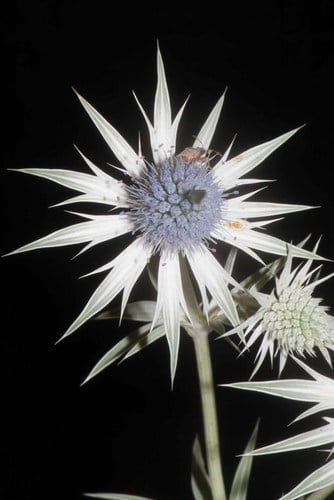
Bunium incrassatum
(Boiss.) Battandier et Trabut
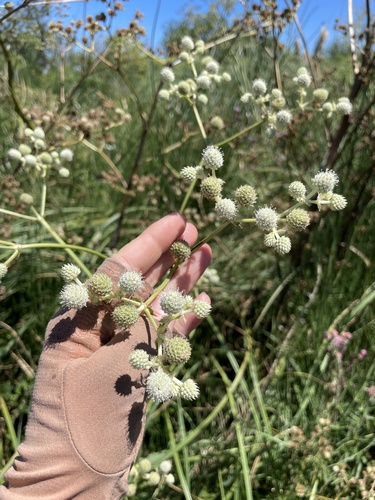
iNaturalist· cc-by
(c) Karim Haddad, some rights reserved (CC BY)
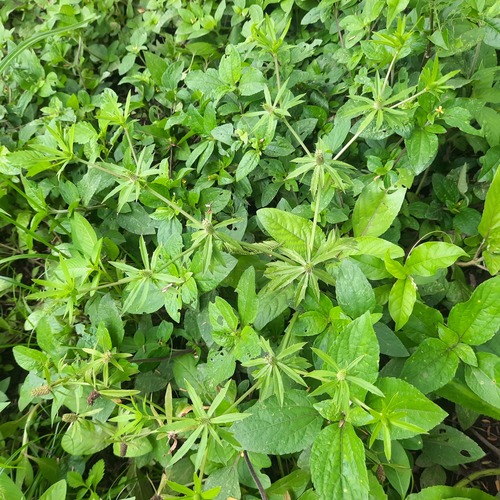
iNaturalist· cc-by
(c) Karim Haddad, some rights reserved (CC BY)
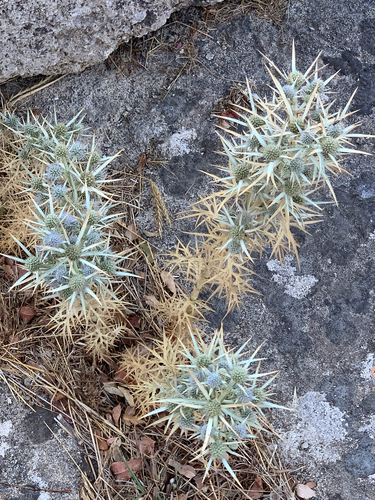
iNaturalist· cc-by
(c) Mehdi Chetibi, some rights reserved (CC BY)
Description
A perennial herb of the Apiaceae family with edible root tubers, native to Mediterranean mountainous regions where it grows between 1,500–2,000 m altitude in forests.
Edible Uses
The tubers are roasted or boiled and eaten, and must be well cooked, preferably on coals or in ashes.
Traditional Uses
Tubers roasted or boiled and eaten. They must be well cooked preferably on coals or in ashes. CAUTION: It can cause stomach upsets if not well cooked.
Known Hazards
Can cause stomach upsets if not well cooked.
Distribution
It is a Mediterranean plant. It grows in forests in mountainous regions between 1,500-2,000 m altitude.
Where It Grows
Africa, Algeria, Europe, Mediterranean, Morocco, North Africa, Spain, Tunisia,
Notes
There are 45-50 Bunium species.
Synonyms
Also Known As
Akoutsar, Akser, Aktsir, Belbous, Ouetsir, Talrhouda, Taruda, Telleghouda
References (5)
- Ben Ismail, H., 2013, Edible Wild Vegetables Used in North West of Tunisia. PARIPEX - Indian Journal of Reearch 2(9) :219-221
- Bircher, A. G. & Bircher, W. H., 2000, Encyclopedia of Fruit Trees and Edible Flowering Plants in Egypt and the Subtropics. AUC Press. p 69
- BOUQUET
- Jardin, C., 1970, List of Foods Used In Africa, FAO Nutrition Information Document Series No 2.p 62
- Rivera, D. et al, 2006, Gathered Mediterranean Food Plants - Ethnobotanical Investigations and Historical Development, in Heinrich M, Müller WE, Galli C (eds): Local Mediterranean Food Plants and Nutraceuticals. Forum Nutr. Basel, Karger, 2006, vol 59, pp 18–74