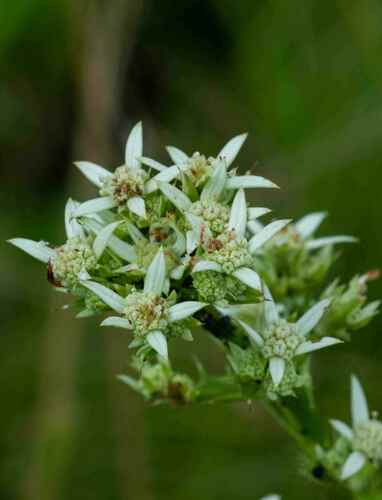
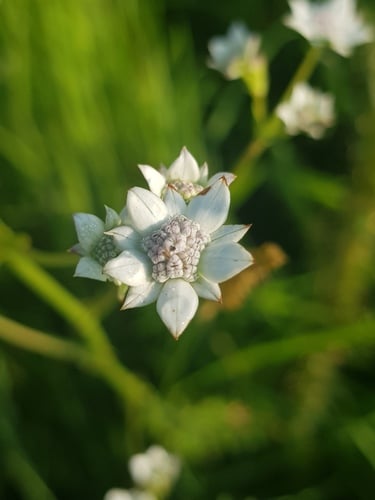
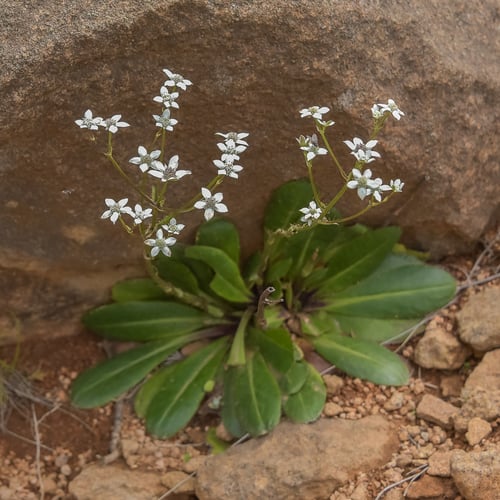
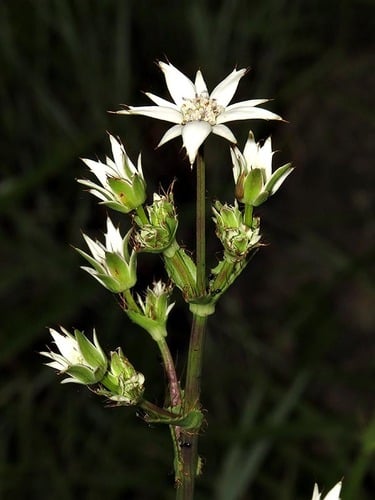
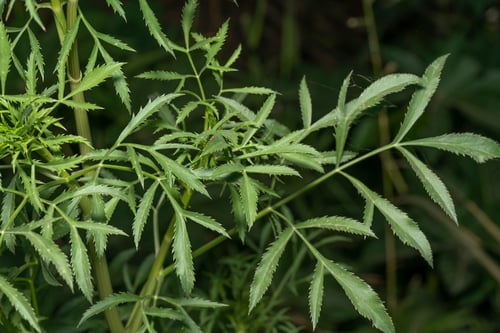
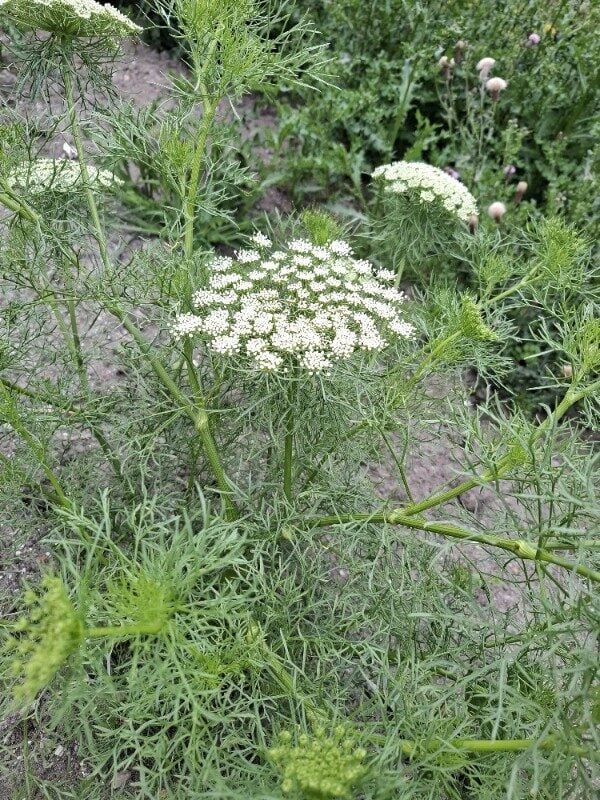
Musineon divaricatum - (Pursh.)Nutt.
(Pursh.)Nutt.
Wild Parsley, Leafy wildparsley, Hooker's wildparsley
gbif· cc-by-nc
Eric Puetz
gbif· cc-by
Austin Saunders
gbif· cc-by
Austin Saunders
Description
Musineon divaricatum is a PERENNIAL growing to 0.3 m (1ft). The species is hermaphrodite (has both male and female organs) and is pollinated by Insects. The plant is self-fertile. Suitable for: light (sandy), medium (loamy) and heavy (clay) soils and prefers well-drained soil. Suitable pH: mildly acid, neutral and basic (mildly alkaline) soils and can grow in very alkaline soils. It can grow in semi-shade (light woodland) or no shade. It prefers moist soil.
Edible Uses
Root - raw.
Distribution
Western N. America - Saskatchewan to Nebraska and Alberta, south to Nevada.
Where It Grows
NORTHERN AMERICA: Canada (Saskatchewan, Alberta, Manitoba (south)), United States (Nebraska, North Dakota, South Dakota, Colorado, Idaho, Montana, Wyoming, Nevada)
Cultivation
We have very little information on this species and do not know if it will be hardy in Britain, though judging by its native range it should succeed outdoors in most parts of the country. It is likely to require a well-drained soil in a sunny position and succeeds in alkaline soils.
Propagation
Seed - we have no information on this species but suggest sowing the seed in a cold frame as soon as it is ripe if this is possible, otherwise in late winter. When they are large enough to handle, prick the seedlings out into individual pots and grow them on in the greenhouse for at least their first winter. Plant them out into their permanent positions in late spring or early summer, after the last expected frosts. Division in spring might be possible.