Notobubon gummiferum
(L.) Magee
Dronkwortel
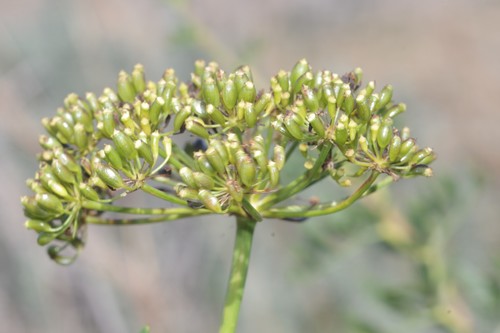
iNaturalist· cc-by-nc
(c) Sandra Falanga, some rights reserved (CC BY-NC), uploaded by Sandra Falanga
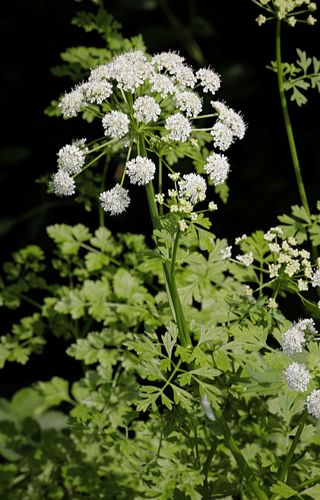
iNaturalist· cc-by-nc
(c) johanbaard, some rights reserved (CC BY-NC)
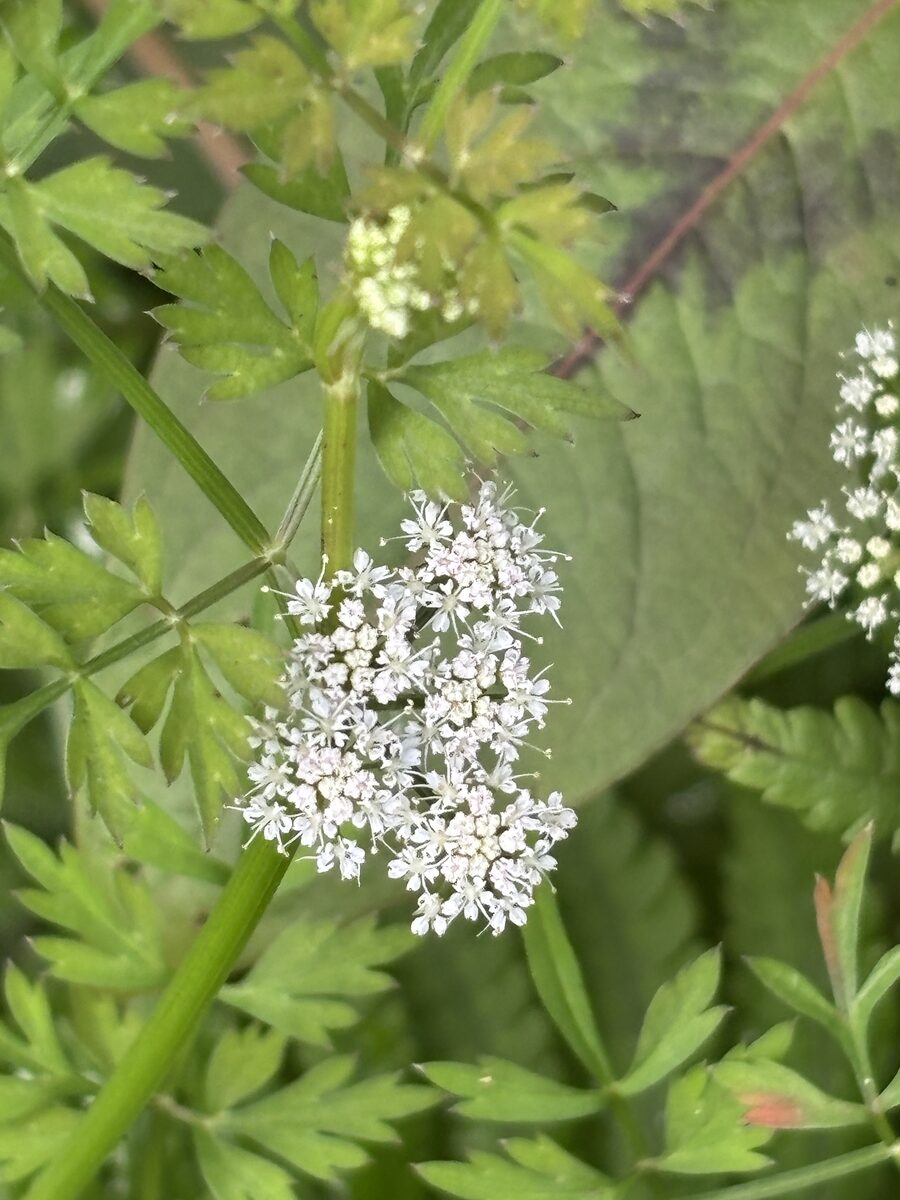
iNaturalist· cc-by-sa
(c) jillblignaut, some rights reserved (CC BY-SA)
Description
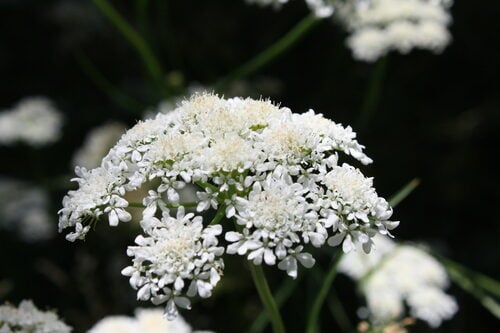
A stout herb. It grows 1 m tall. It keeps growing from year to year. The stems have furrows along them and they grow from a well developed taproot. The leaves are towards the base of the stem and are of 2 forms. The ones at the base are broadly oval and can have 3 lobes. They have teeth. The leaves on the stem are narrow. The flowers are in groups with equal length stalks.
Edible Uses
The roots are used to make an alcoholic drink.
Traditional Uses
The roots have been used to make an alcoholic drink.
This uses section is brief — help expand it
Distribution
It is a Mediterranean climate plant.
Where It Grows
Africa, South Africa, Southern Africa,
Synonyms
References (4)
- Fox, F. W. & Young, M. E. N., 1982, Food from the Veld. Delta Books. p 85 (As Glia gummifera)
- Plowes, N. J. & Taylor, F. W., 1997, The Processing of Indigenous Fruits and other Wildfoods of Southern Africa. in Smartt, L. & Haq. (Eds) Domestication, Production and Utilization of New Crops. ICUC p 191 (As Glia gummifera)
- Ruiters-Welcome, A. K., 2019, Food plants of southern Africa. Ph.D. thesis. Univ. of Johannesburg p 20
- Welcome, A. K. & Van Wyk, B.-E., 2019, An inventory and analysis of the food plants of southern Africa. South African Journal of Botany 122 (2019) 136–179