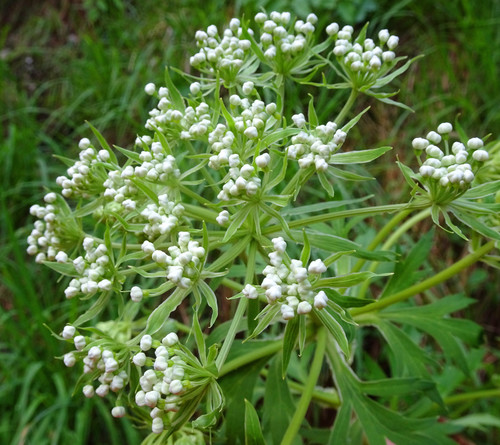
Bunium ferulaceum
Sibth. & Sm.
Balkan pignut
iNaturalist· cc-by
(c) Eleftherios Katsillis, some rights reserved (CC BY)
iNaturalist· cc-by
(c) Eleftherios Katsillis, some rights reserved (CC BY)
iNaturalist· cc-by
(c) Eleftherios Katsillis, some rights reserved (CC BY)
Summary
Bunium ferulaceum is a perennial reaching 0.6 m tall. Hermaphrodite flowers are insect-pollinated and self-fertile. Grows in light sandy, medium loamy, or heavy clay soils with well-drained conditions and mildly acid to basic pH. Requires full sun and prefers moist soil.
Description
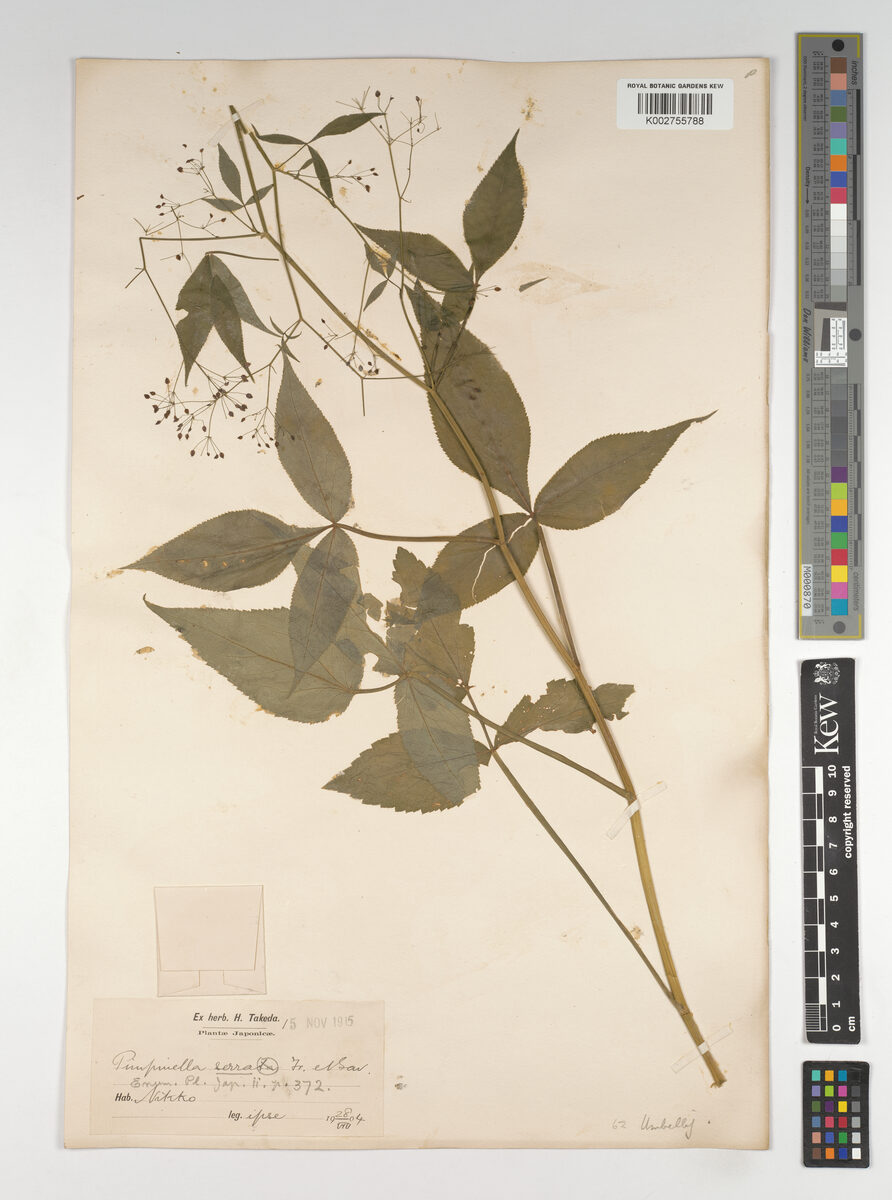
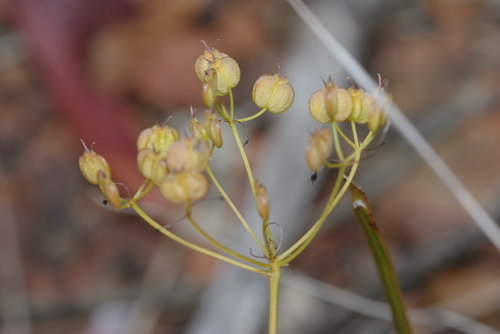
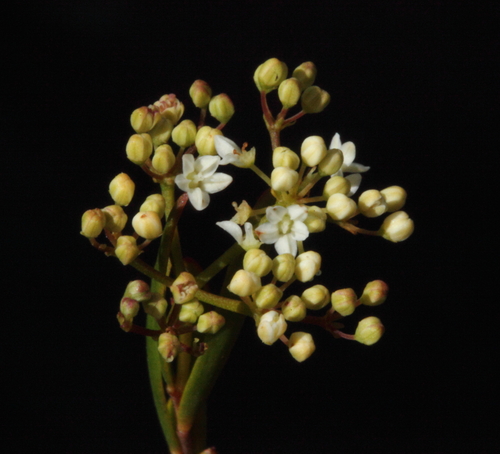
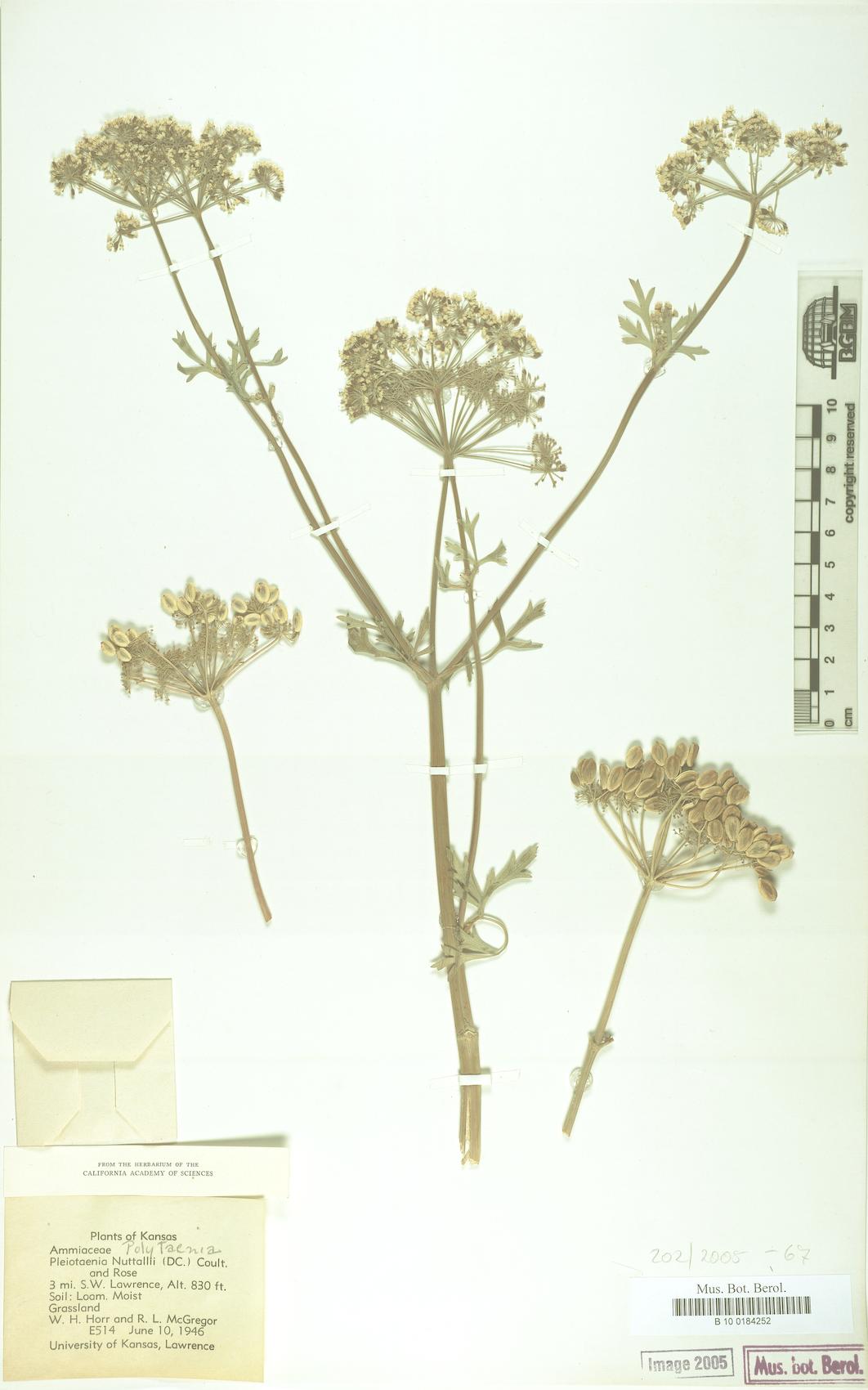
A short perennial herb. It has round tubers at the roots. The stem is erect or curves upwards. The leaves are 2-3 divided with leaflets along the stalks. The lobes are narrow and taper to a point. The flowers are in white umbels.
Edible Uses
Edible Parts: Root Edible Uses: Root - raw or cooked. Rather small. A bitterish flavour.
Traditional Uses
The tubers are eaten raw after peeling. The small tubers are cooked and eaten.
This uses section is brief — help expand it
Medicinal Uses
None known
Distribution
It is a Mediterranean plant.
Where It Grows
Balkans, Cyprus, Europe, Greece, Italy, Mediterranean, Turkey, Türkiye,
Cultivation
We have very little information on this species and do not know if it will be hardy in Britain, though judging by its native range it should succeed outdoors in many parts of this country. It is closely related to the pignut, B. bulbocastanum. It is likely to prefer a well-drained light to medium soil in sun or light shade.
Propagation
Seed - sow spring in a cold frame. When large enough to handle, prick the seedlings out into individual pots and grow them on in the greenhouse for at least their first winter, planting them out into their permanent positions in late spring or early summer, after the last expected frosts. Division in spring or autumn.
Other Uses
None known Special Uses
Notes
There are 45-50 Bunium species.
Synonyms
Also Known As
Stavrokaria, Topalak
References (9)
- Blamey, M and Grey-Wilson, C., 2005, Wild flowers of the Mediterranean. A & C Black London. p 156
- Bircher, A. G. & Bircher, W. H., 2000, Encyclopedia of Fruit Trees and Edible Flowering Plants in Egypt and the Subtropics. AUC Press. p 86 (As Carum ferulaefolium)
- Della, A., et al, 2006, An ethnobotanical survey of wild edible plants of Paphos and Larnaca countryside of Cyprus. J. Ethnobiol. Ethnomed. 2:34
- Dogan, A., et al, 2014, A review of edible plants on the Turkish Apiaceae species. J. Fac. Pharm. Istanbul, 44(2) pp 251-262
- Ertug, F, Yenen Bitkiler. Resimli Türkiye Florası -I- Flora of Turkey - Ethnobotany supplement
Show all 9 references Hide references
- Hedrick, U.P., 1919, (Ed.), Sturtevant's edible plants of the world. p 166 (As Carum ferulaefolium)
- Plants for a Future database, The Field, Penpol, Lostwithiel, Cornwall, PL22 0NG, UK. http://www.scs.leeds.ac.uk/pfaf/
- Rivera, D. et al, 2006, Gathered Mediterranean Food Plants - Ethnobotanical Investigations and Historical Development, in Heinrich M, Müller WE, Galli C (eds): Local Mediterranean Food Plants and Nutraceuticals. Forum Nutr. Basel, Karger, 2006, vol 59, pp 18–74
- Rivera, D. et al, 2006, Gathered Mediterranean Food Plants - Ethnobotanical Investigations and Historical Development, in Heinrich M, Müller WE, Galli C (eds): Local Mediterranean Food Plants and Nutraceuticals. Forum Nutr. Basel, Karger, 2006, vol 59, pp 18–74 (As Carum ferulaefolium)