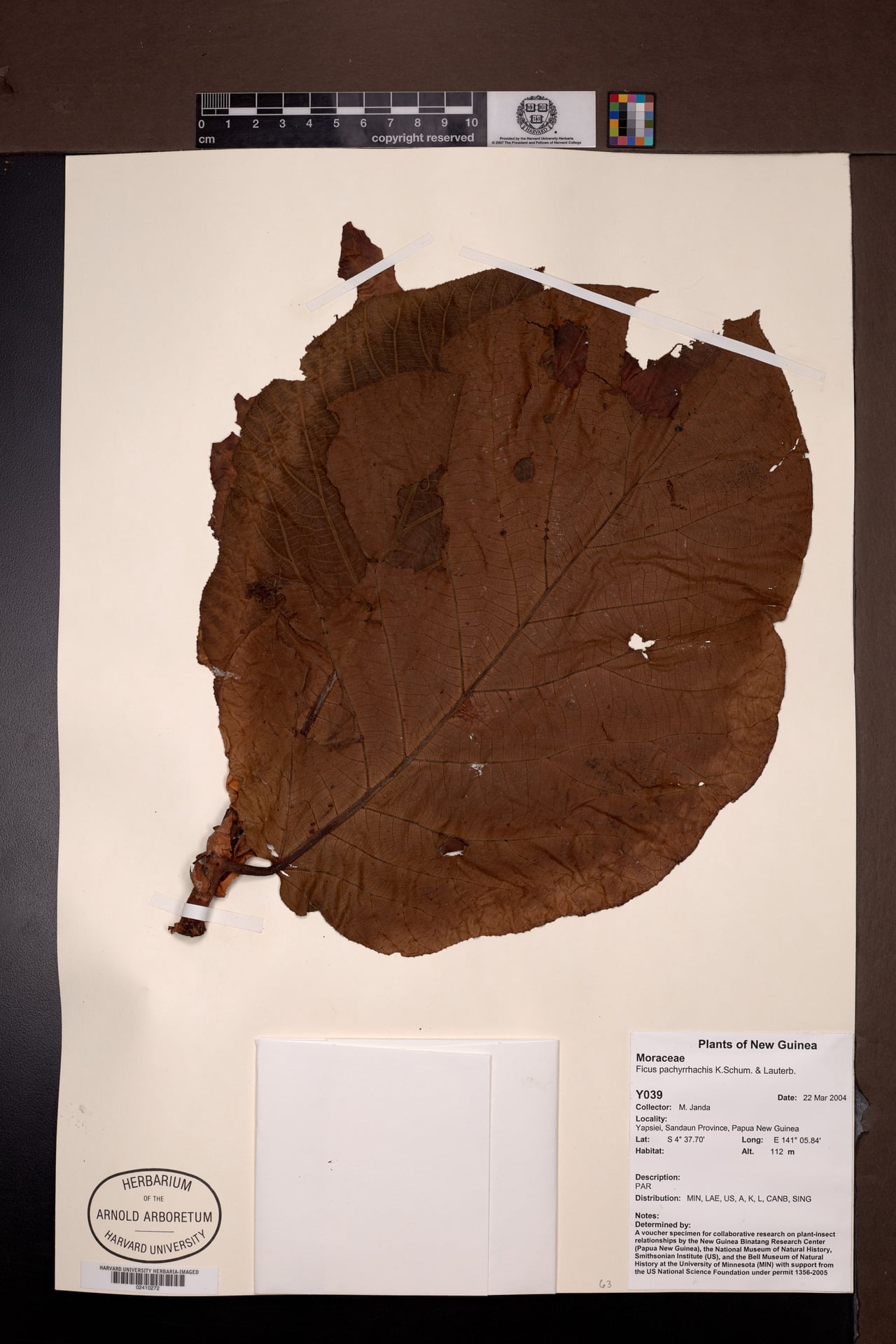
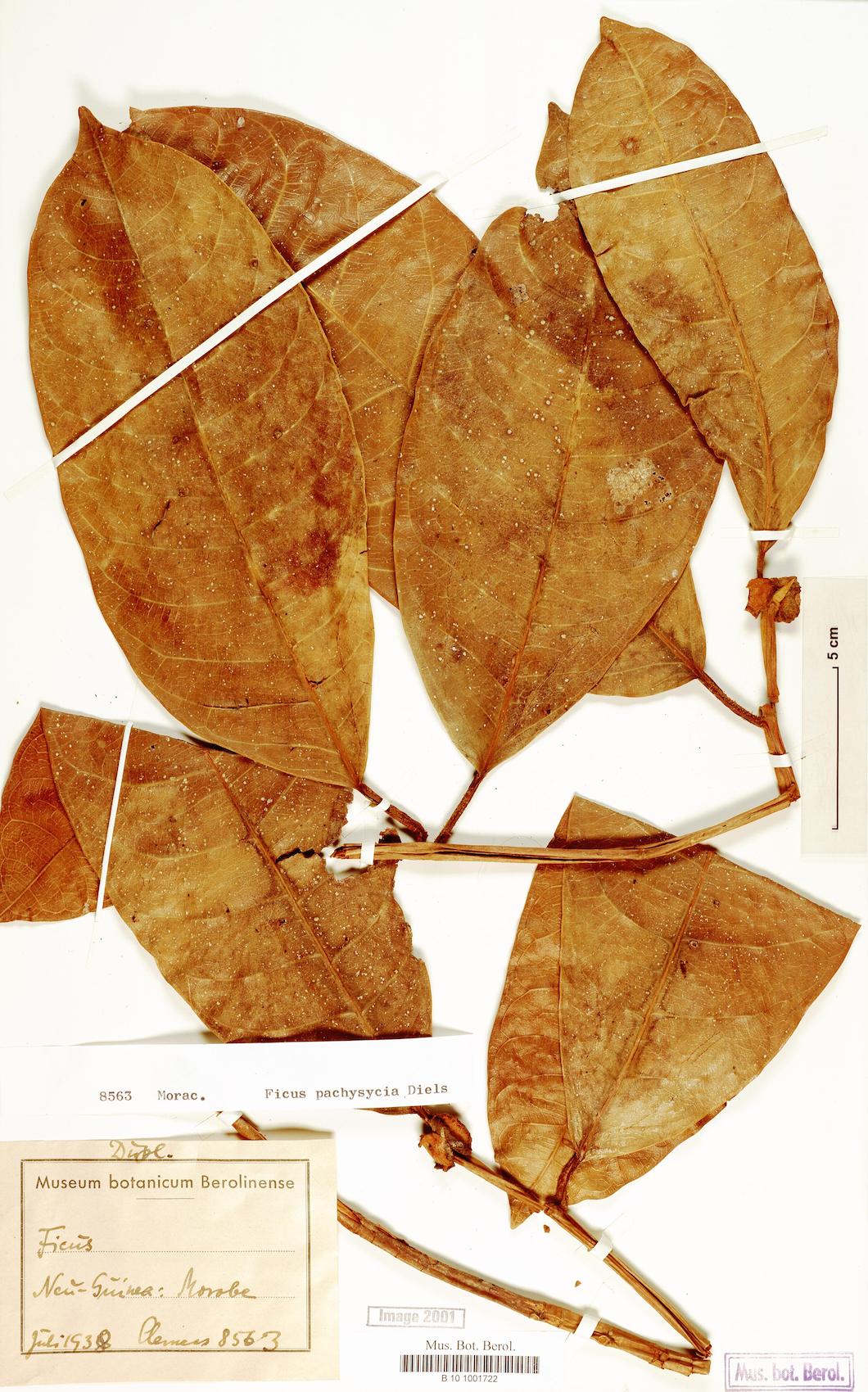
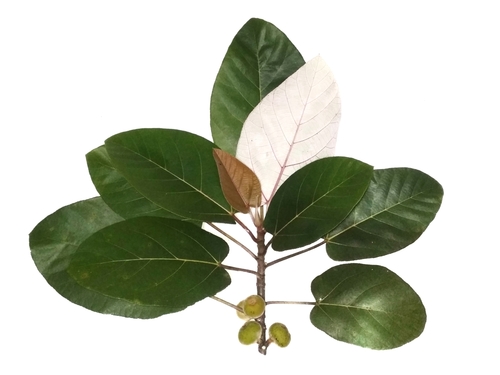
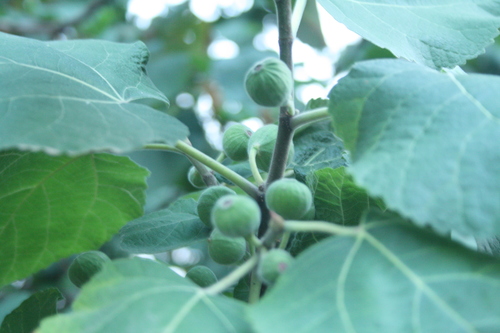
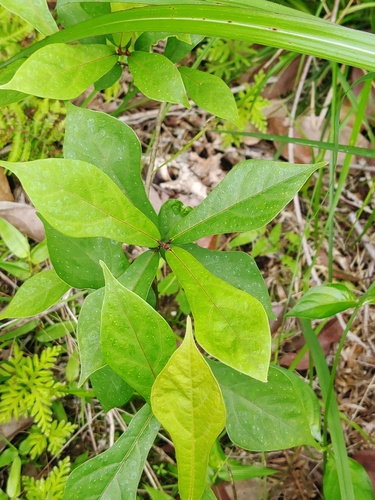
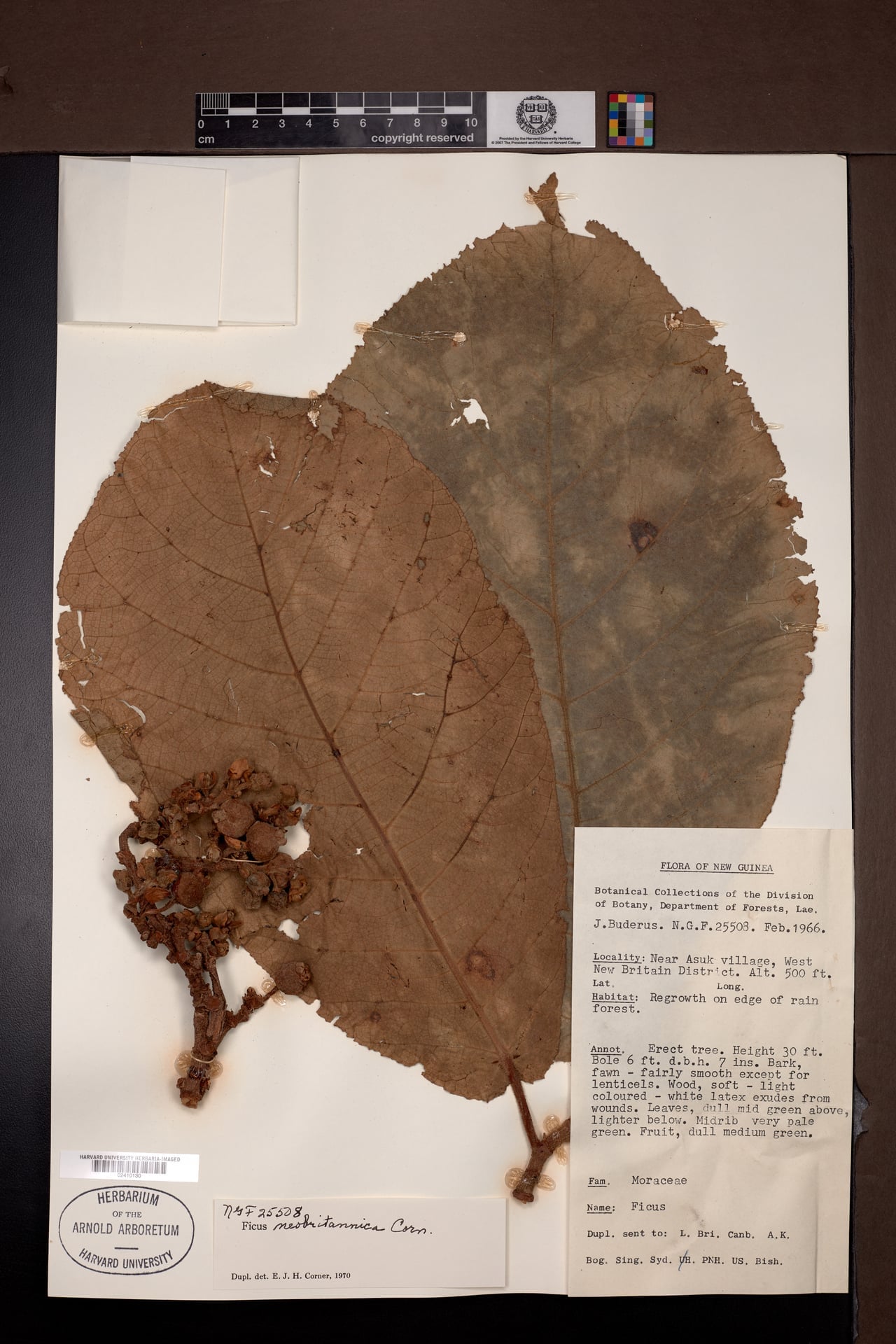
Ficus racemosa var. glomerata
L.,
Cluster fig
iNaturalist· cc-by-sa
(c) Vinayaraj, some rights reserved (CC BY-SA)
iNaturalist· cc-by
(c) Siddarth Machado, some rights reserved (CC BY), uploaded by Siddarth Machado
iNaturalist· cc-by
(c) elawrey, some rights reserved (CC BY), uploaded by elawrey
Summary
Source: WikipediaFicus racemosa, the cluster fig, red river fig or gular (Hindi: गूलर), is a species of plant in the mulberry family Moraceae. It is native to tropical Asia and Australia. It is a fast-growing plant with large, very coarse leaves, attaining the size of a large shrub or even larger in old specimens. A distinctive feature of its growth habit is the cauliflorous nature of its fruiting, where the syconia (figs) grow in dense clusters directly from the trunk and larger branches. The ripe figs are a favourite food of the rhesus macaque, and the plant also serves as a host for the caterpillars of the two-brand crow butterfly (Euploea sylvester) of northern Australia. The species is of cultural importance in Hinduism and Buddhism. The tree is also important to native people of Borneo such as in Sabah, Malaysia, where it is called Nunuk Ragang.
Description
A large tropical fig tree (Moraceae family) found in the Asia-Pacific region, with fruit that are commonly sold in markets.
This description is brief — help expand it
Edible Uses
Young and ripe fruit are eaten raw. The powder from roasted fruit is used as a breakfast food. Unripe fruit is pounded, mixed with flour, and made into cakes. The leaves are also edible.
Traditional Uses
Young and ripe fruit are eaten raw. The powder from the roasted fruit is used as a breakfast food. The unripe fruit is pounded and mixed with flour and made into cakes.
Medicinal Uses
The figs can be eaten when ripe, or used while still green as a vegetable in stir-fries and curries, or made into preserves. The shoots and young leaves are also edible. The Ovambo people call the fruit of the cluster fig eenghwiyu and use it to distill ombike, a traditional liquor. In India, a home remedy is prepared by rubbing the bark on a stone with water to make a poultice to treat boils and mosquito bites. The poultice is left to dry on the skin and reapplied after a few hours. The leaves of the plant can also be used to remove caterpillar hairs lodged in the skin. The affected skin is rubbed lightly with a leaf, effectively dislodging the stinging hairs. The leaves are called lá sung in Vietnam, where they are eaten raw with meat dishes. They are used with rice paper and edible leaves of other plants, such as woolly sewervine, shiso or Ming aralia, to wrap pieces of chicken, pork or goat and eaten in a style similar to the Korean ssam. The figs, called quả sung, are harvested while still green and pickled in a mixture of salt and sugar, then seasoned with chilli, garlic, lime juice and fish sauce.
Distribution
A tropical plant. It grows in the tropics the Asia Pacific region.
Where It Grows
Asia, Australia, India, Northeastern India, Pacific, Philippines, SE Asia,
Production
In India the fruit are available October to January.
Other Information
Fruit are sold in markets.
Notes
There are about 800-1000 Ficus species. They are mostly in the tropics. There are 120 Ficus species in tropical America. Probably now a synonym of Ficus racemosa.
Synonyms
Also Known As
Athi, Atti, Bodda, Dimri, Dumur, Gular, Heibong, Jagyadumbar, Paidi, Udumbara, Udumbaramu, Umar, Umbar
References (11)
- Ambasta, S.P. (Ed.), 2000, The Useful Plants of India. CSIR India. p 222 (As Ficus glomerata)
- Bindon, P., 1996, Useful Bush Plants. Western Australian Museum. p 144
- Dhyani, S.K., & Sharma, R.V., 1987, Exploration of Socio-economic plant resources of Vyasi Valley in Tehri Garwhal. J. Econ. Tax. Bot. Vol. 9 No. 2 pp 299-310 (As Ficus glomerata)
- Hedrick, U.P., 1919, (Ed.), Sturtevant's edible plants of the world. p 307 (As Ficus glomerata)
- Hibbert, M., 2002, The Aussie Plant Finder 2002, Florilegium. p 102
Show all 11 references Hide references
- Isaacs, J., 1987, Bush Food, Aboriginal Food and Herbal Medicine. Weldons. p 71
- Sadia, H., et al, 2014, Nutrient and mineral assessment of edible wild fig and mulberry fruits. Fruits, Vol. 69, p 159-166 (As Ficus glomerata)
- Singh, P.K., Singh, N.I., and Singh, L.J., 1988, Ethnobotanical Studies on Wild Edible Plants in the Markets of Manipur - 2. J. Econ. Tax. Bot. Vol. 12 No. 1 pp 113-119 (As Ficus glomerata)
- Smith, Nicholas et al. 1993, Ngarinyman Ethnobotany: Aboriginal Plant Use from the Victoria River Area Northern Australia. Northern Territory Botanical Bulletin No 16. Parks and Wildlife Commission of the Northern Territory. p 28.
- Wightman, Glenn et al. 1992, Mangarrayi Ethnobotany: Aboriginal Plant Use from the Elsey Area Northern Australia. Northern Territory Botanical Bulletin No 15. Parks and Wildlife Commission of the Northern Territory. p 26.
- Wightman, Glenn et al. 1994, Gurindji Ethnobotany: Aboriginal Plant Use from Daguragu Northern Australia. Northern Territory Botanical Bulletin No 18. Parks and Wildlife Commission of the Northern Territory. p 29, 28.