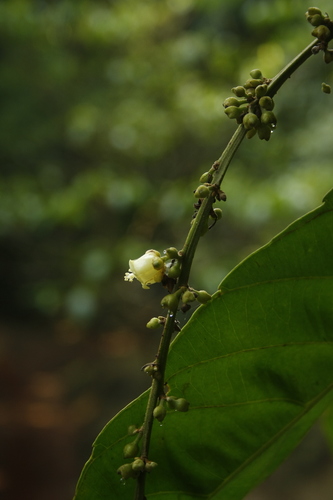
Euphorbia cuneata
Vahl
iNaturalist· cc-by-nc
(c) andreaudzungwa, some rights reserved (CC BY-NC)
iNaturalist· cc-by-nc
(c) andreaudzungwa, some rights reserved (CC BY-NC)
iNaturalist· cc-by-nc
(c) andreaudzungwa, some rights reserved (CC BY-NC)
Description
A tropical herb in the Euphorbiaceae family that produces gums and resins.
This description is brief — help expand it
Edible Uses
The gums and resins are edible.
Medicinal Uses
The latex is applied to warts, wounds and sores. The sticky latex is used to remove dust from the eye.
Known Hazards
Although we have seen no specific information for this plant, the latex in most, if not all Euphorbias is caustic and toxic - skin contact often causing irritation and blistering; contact with the eyes causing temporary or even permanent blindness; whilst ingestion can cause purging or more severe problems.
Distribution
It is a tropical plant.
Where It Grows
Africa, East Africa, Mozambique, Somalia, Tanzania,
Cultivation
Grows best in a sunny position. Requires a well-drained grity or sandy soil.
Propagation
Seed - Cuttings root easily. They need to be stored in light shade for a few days to dry before being planted, or else they will rot. It is best to plant the cuttings when the rain is about to stop, in a well-drained soil.
Other Uses
The stem is used to make earrings and knife handles. The stems are used for fencing during ceremonies. Apparently introduced as a hedge plant along the E. African coast as far south as Mozambique.
Also Known As
Dhirindhir, Kidingho ka mgongo
References (1)
- Johns, T., Mhoro, E. B. and Sanaya, P., 1996, Food Plants and Masticants of the Batemi of Ngorongoro District, Tanzania. Economic Botany, Vol. 50, No. 1, pp. 115-121