Euphorbia sieboldiana
C. Morren & Decne.
Kan Sui
iNaturalist· cc-by-nc
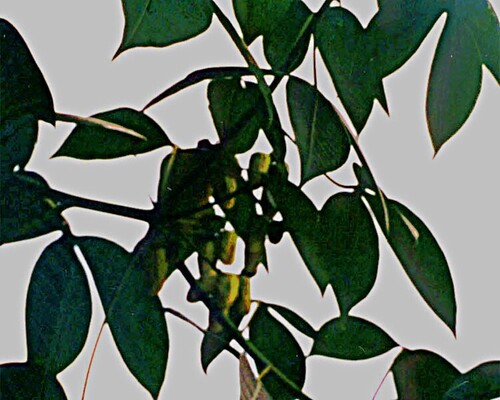
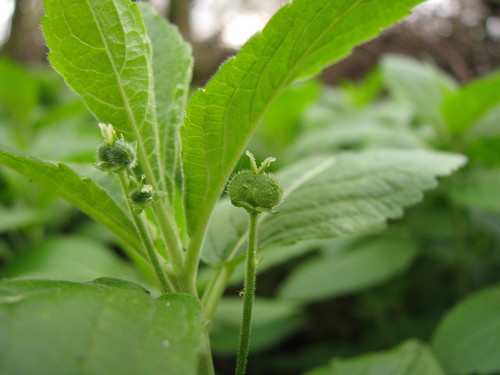
(c) Yao Li, some rights reserved (CC BY-NC), uploaded by Yao Li
iNaturalist· cc-by-nc
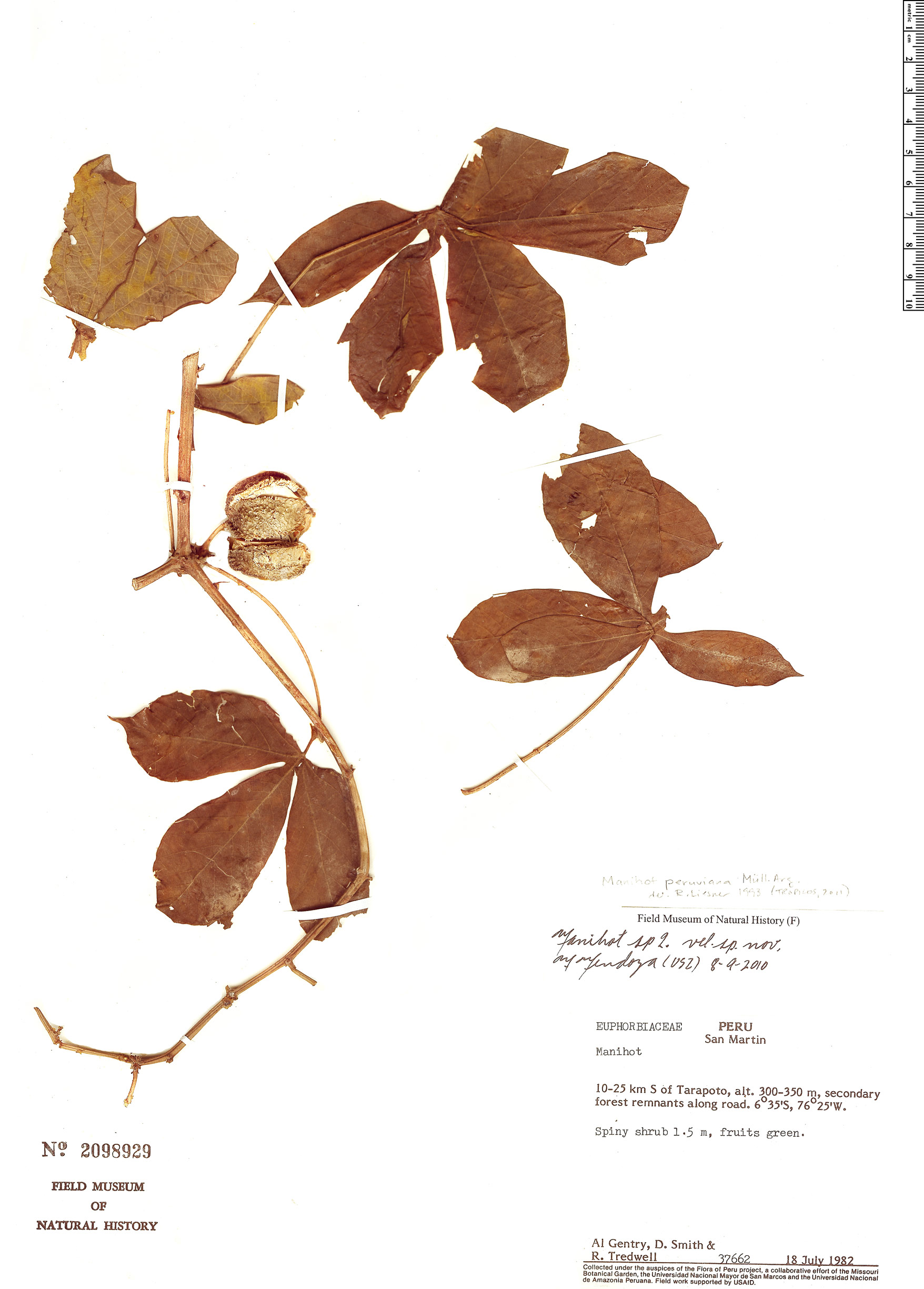
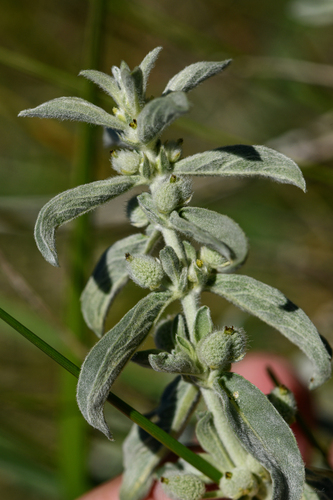
(c) onidiras-iNaturalist, some rights reserved (CC BY-NC), uploaded by onidiras-iNaturalist
iNaturalist· cc-by-nc
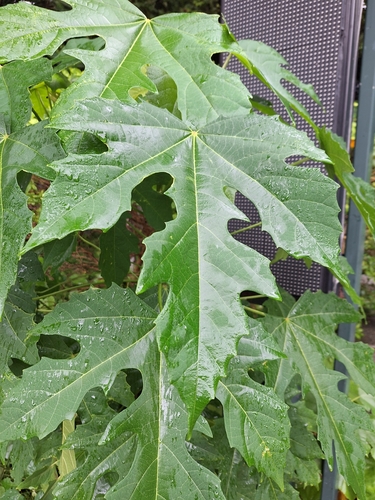
(c) onidiras-iNaturalist, some rights reserved (CC BY-NC), uploaded by onidiras-iNaturalist
Summary
Source: WikipediaEuphorbia sieboldiana, the Siebold's spurge, is a species of flowering plant in the spurge family Euphorbiaceae. It is native to eastern Asia, where it is found in China, Japan, Korea, and eastern Russia. Its natural habitat is in grassy areas and forest margins. It is a common species in Japan. It is an rhizomatous perennial growing to 70 cm tall. It produces small flowers in compact pseudoumbels. These lack petal-like appendages. This species can be readily identified by the horn-like projections on the glands of the involucre. Blooming time is in spring and early summer.
Description
A herb. It grows 40-70 cm tall. The rootstock has several rhizomes. These are 10-20 cm long and 4-15 mm thick. There can be a single stem or a cluster of stems. The leaves are alternate and get larger towards the tip. The leaves are 2-5 cm long by 1-2 cm wide. They vary.
Edible Uses
Stems and leaves can be eaten cooked — boiled, soaked in water, squeezed and then eaten. Caution is advised given the plant's toxicity.
Traditional Uses
Caution: All Euphorbias or spurges have irritating sap and many have chemicals that can cause cancer.
This uses section is brief — help expand it
Medicinal Uses
The roots are diuretic and laxative. They are crushed and swallowed with water to treat schistosomiasis-caused ascites, oedema and constipation. This plant is poisonous and should be used with caution, preferably only under the supervision of a qualified herbalist.
Known Hazards
The sap contains a latex which is toxic on ingestion and highly irritant externally, causing photosensitive skin reactions and severe inflammation, especially on contact with eyes or open cuts. The toxicity can remain high even in dried plant material. Prolonged and regular contact with the sap is inadvisable because of its carcinogenic nature.
Distribution
It is a temperate plant.
Where It Grows
Asia, China, Japan, Korea, Russia,
Cultivation
We have very little information on this species and do not know if it will be hardy in Britain, though judging by its native range it should succeed outdoors in most parts of this country. It is a polymorphic species. Chinese and Korean plants to which the name, Euphorbia sieboldiana has been applied, differ from Japanese one in irregularly toothed but not ciliated lobes of involucres. Moreover, E. sieboldiana in Japan includes three or more well distinct forms which are easily distinguished each other in morphology of rhizomes, leaves and bracteoles and have different distributions and habitats. These may be recognized as distinct species, but further studies are desirable. The following notes are based on the general needs of the genus. Prefers a light well-drained moderately rich loam in an open position. Succeeds in dry soils. Hybridizes with other members of this genus. The ripe seed is released explosively from the seed capsules. Members of this genus are rarely if ever troubled by browsing deer or rabbits. This genus has been singled out as a potential source of latex (for making rubber) for the temperate zone, although no individual species has been singled out.
Propagation
Sow seed in spring in a shaded cold frame. Germination usually takes place within 2–3 weeks at 20°C.
Other Uses
None known.
Notes
There are about 2000 Euphorbia species. Most Euphorbias have sap which irritates the skin.
References (1)
- Bull. Acad. Roy. Sci. Bruxelles 3:174. 1836