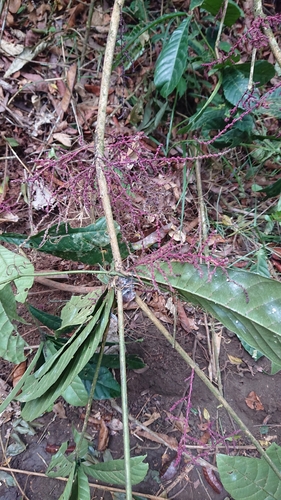
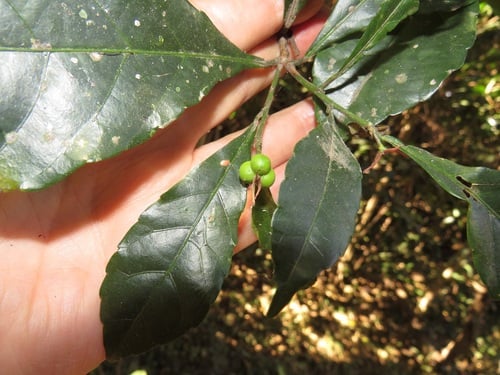
Euphorbia schimperiana
Scheele
iNaturalist· cc-by-nc
(c) Mike Plagens, some rights reserved (CC BY-NC), uploaded by Mike Plagens
iNaturalist· cc-by-nc-sa
(c) Marco Schmidt, some rights reserved (CC BY-NC-SA)
Description
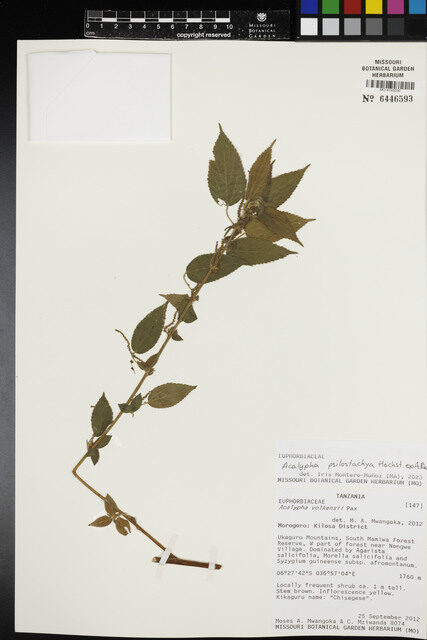
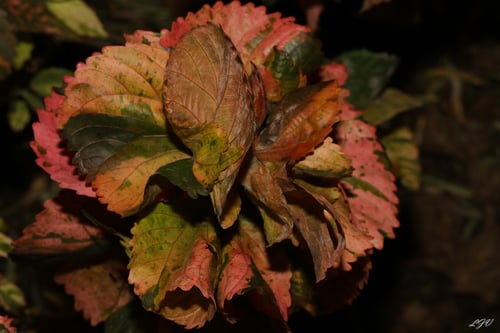
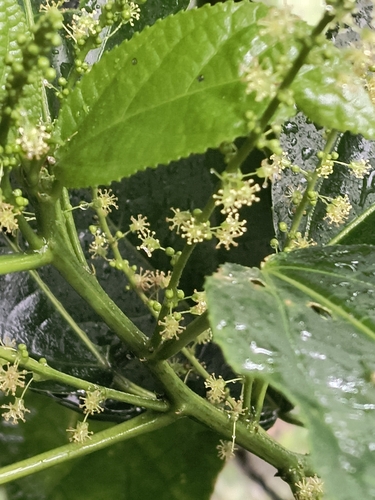
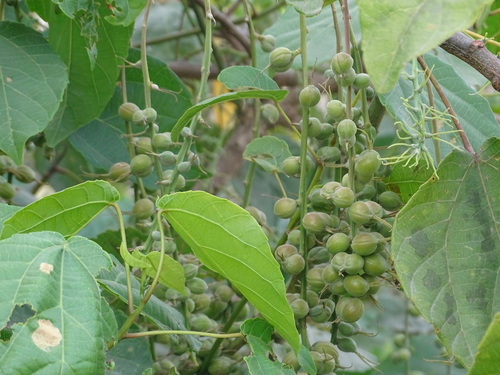
An annual or short lived herb. It grows 2 m high. The leaves do not have leaf stalks. They are crowded and leaf large leaf scars. The leaf blade is 15 cm long by 2 cm wide. The fruit is a capsule. It has 3 lobes.
Medicinal Uses
The latex is used as ear drops to treat otitis. The latex is applied externally to treat snakebites The leaf paste in water is taken to treat coughs and colds. Leaf powder is applied to impetigo and stubborn skin infections. A leaf and root decoction is taken as a purgative. An infusion of the aerial parts is taken as a purgative, to treat venereal diseases and as an anthelmintic. The fruits, crushed together with roots of Cyathula polycephala and then mixed with water, are taken to treat anthrax in cattle. The methanol extract of dry stems showed strong molluscicidal activity (LD50 = 5.7 ppm) against Biomphalaria pfeifferi, a vector of schistosomiasis. This activity was associated with terpenoids and phenolics. The effects of the extract on various snail tissues (gut, digestive gland and epidermal layer) were time and concentration dependent, and the results show that the epithelium layer is probably the primary site affected. The toxic and mutagenic activities of the methanol extract of the stems were investigated in mice, and showed slight toxicity to the skin and moderately irritant activity to the ocular tissue. The extract significantly increased the frequency of micronuclei division, especially at high concentrations, indicating that it has mutagenic activity.
Known Hazards
Although we have seen no specific information for this plant, the latex in most, if not all Euphorbias is caustic and toxic - skin contact often causing irritation and blistering; contact with the eyes causing temporary or even permanent blindness; whilst ingestion can cause purging or more severe problems.
Distribution
It is a tropical and subtropical plant. It grows in savannah woodland.
Where It Grows
Africa, East Africa, Ethiopia, Guinea, Guinée, Guinea-Bissau, Kenya, Malawi, Middle East, Mozambique, West Africa, Yemen, Zambia, Zimbabwe,
Cultivation
The plant is found as a weed in cultivated ground.
Notes
Possibly edible.
Synonyms
Also Known As
Dafeu-nina, Dafeunina, Mantchinco, Mantchmho, Wanbara
References (4)
- Flora Zambesiaca. http://apps.kew.org/efloras
- Fowler, D. G., 2007, Zambian Plants: Their Vernacular Names and Uses. Kew. p 79
- Molla, A., Ethiopian Plant Names. http://www.ethiopic.com/aplants.htm
- World Checklist of Useful Plant Species 2020. Royal Botanic Gardens, Kew