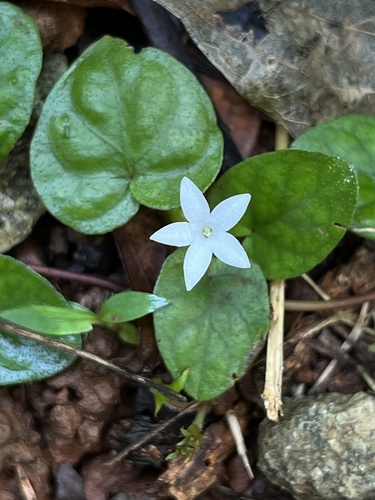
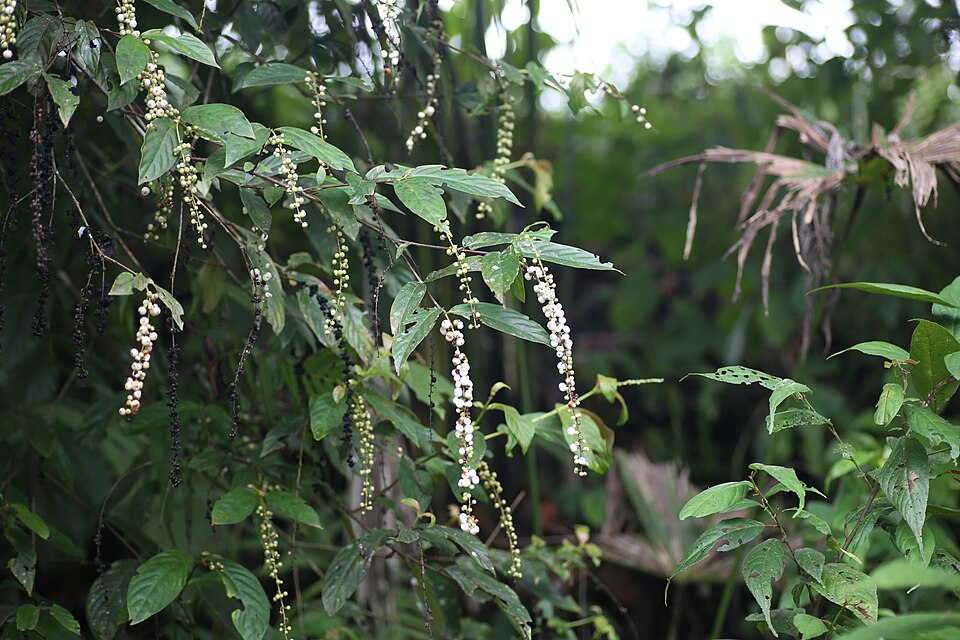
Guettarda uruguensis
Cham. & Schlecht.
Velvet seed
iNaturalist· cc-by-nc
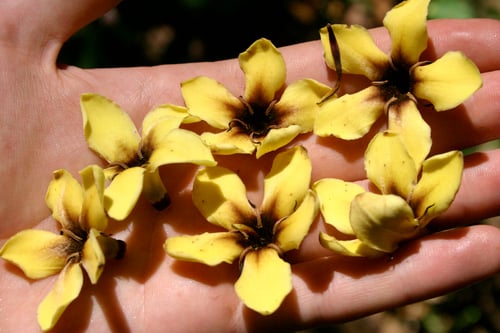
(c) Gustavo Puente, some rights reserved (CC BY-NC)
iNaturalist· cc-by
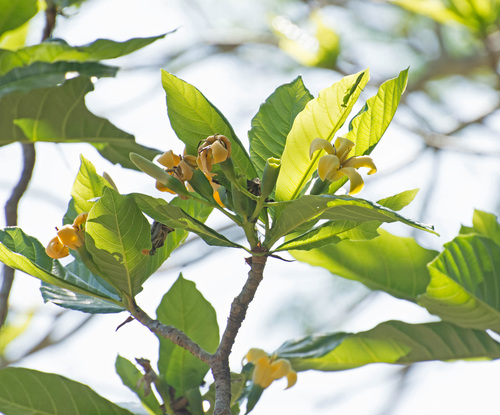
(c) RAP, some rights reserved (CC BY)
iNaturalist· cc-by-nc
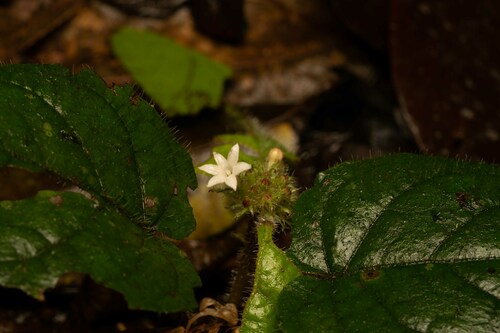
(c) Vero, some rights reserved (CC BY-NC)
Description
A shrub. It grows 1-5 m tall. The leaves are simple and opposite. They are oval and have fine hairs. The flowers are in groups in the axils of leaves. They are white to red and have a scent. They are tube shaped. The fruit is oval and fleshy. They are velvety and balck when ripe. They can be 1 cmlong.
Edible Uses
The fruit can be eaten fresh; the fine hairs should be rubbed off before consumption. The fruit are especially popular with children.
Traditional Uses
The fruit can be eaten fresh. It is best to rub them to removed hairs.
This uses section is brief — help expand it
Distribution
It is a tropical plant. It grows in humid areas near rivers and streams. In Brazil it grows from sea level to 1,650 m above sea level. It is best in a deep moist soil.
Where It Grows
Argentina, Bolivia, Brazil*, North America, Paraguay, South America, Uruguay, USA,
Cultivation
Plants are grown from seeds. They are best put in a nursery and transplanted.
Production
The seedlings reach 30-40 cm in 6-8 months after germination. They fruit 3-2 years after planting.
Other Information
The fruit are eaten especially by children.
Synonyms
Also Known As
Cafe falso, Culantrillo, Esokenejnami, Jazmin de monte, Nispero del monte, Pai-hue, Palo cruz, Paludina, Veludinho, Veludo
References (8)
- Brack, P., et al, 2020, Frutas nativas do Rio Grande do Sul, Brasil: riqueza e potencial alimentício. Native fruits of Rio Grande do Sul, Brazil: richness and potential as food. Rodriguésia 71: e03102018
- Fouqué, A., 1972, Espèces fruitières d'Amérique tropicale. Institut français de recherches fruitierès outre-mer
- Grandtner, M. M. & Chevrette, J., 2013, Dictionary of Trees, Volume 2: South America: Nomenclature, Taxonomy and Ecology. Academic Press p 283
- Kermath, B. M., et al, 2014, Food Plants in the Americas: A survey of the domesticated, cultivated and wild plants used for Human food in North, Central and South America and the Caribbean. On line draft. p 401
- Kinupp, V. F., 2007, Plantas alimenticias nao-convencionais da regiao metropolitana de Porto Alegre, RS, Brazil p 97
Show all 8 references Hide references
- Scarpa, G. F., 2009, Wild food plants used by the indigenous peoples of South American Gran Chaco: A general synopsis and intercultural comparison. Journal of Applied Botany and Food Quality 83:90-101
- Schmedia-Hirschmann, G., 1994, Plants resources Used by the Ayoreo of the Paraguayan Chaco. Economic Botany Vol. 48. No. 3. pp. 252-258
- www.colecionandofrutas.org