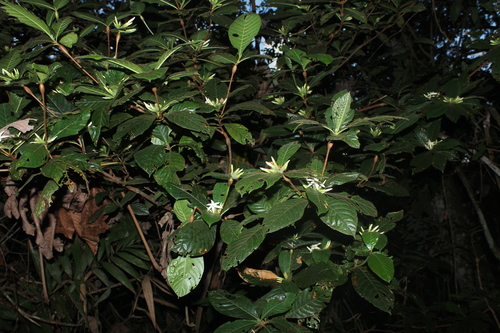
Rothmannia whitfieldii
(Lindl.) Dandy
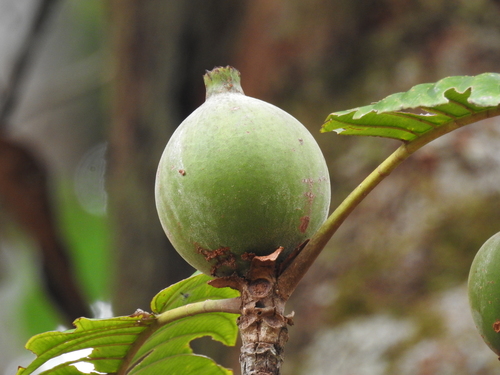
Rothmannia tree
iNaturalist· cc-by-nc
(c) hmees, some rights reserved (CC BY-NC), uploaded by hmees
iNaturalist· cc-by-nc
(c) Carel Jongkind, some rights reserved (CC BY-NC), uploaded by Carel Jongkind
iNaturalist· cc-by-nc
(c) Carel Jongkind, some rights reserved (CC BY-NC), uploaded by Carel Jongkind
Description
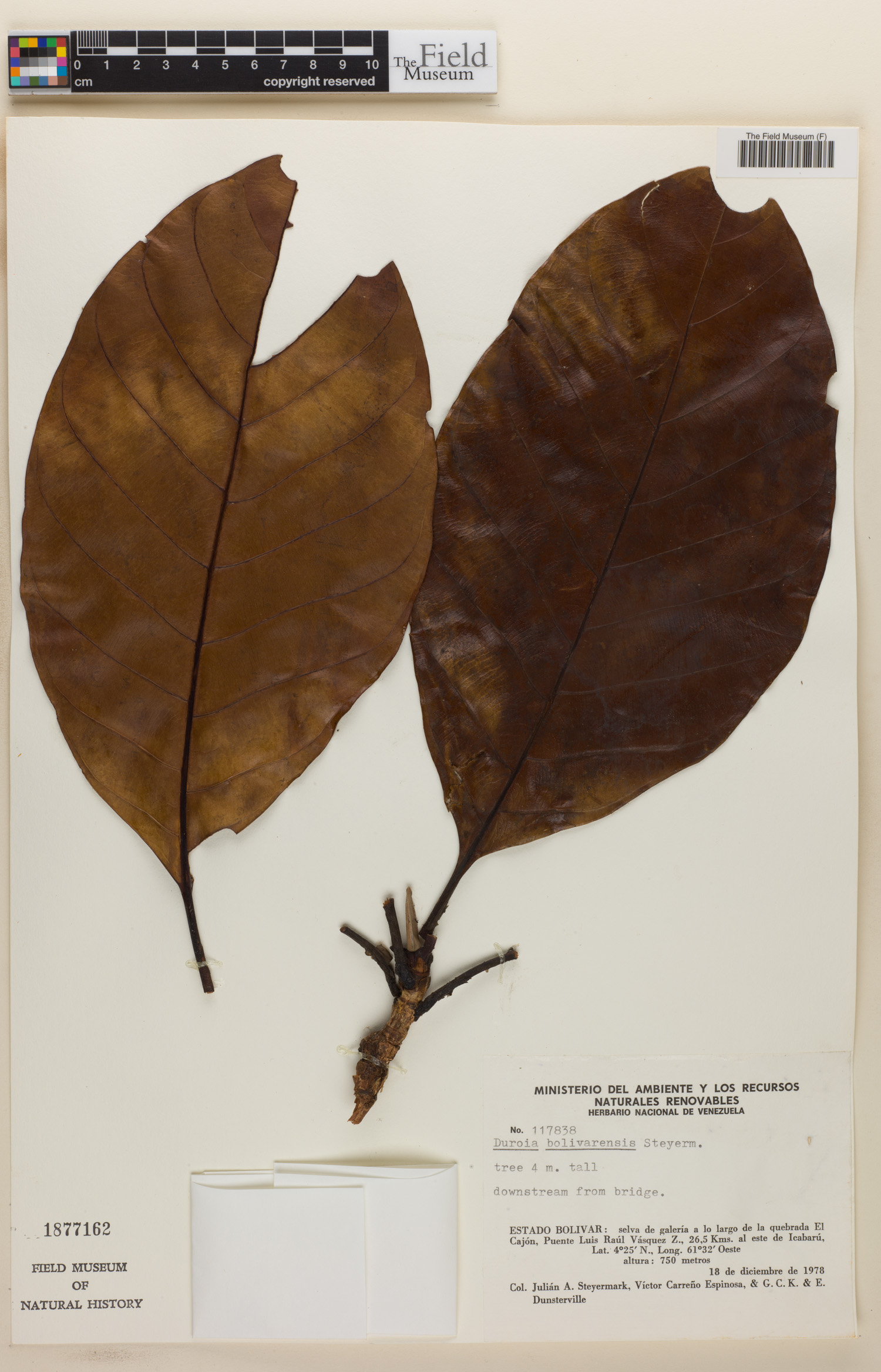
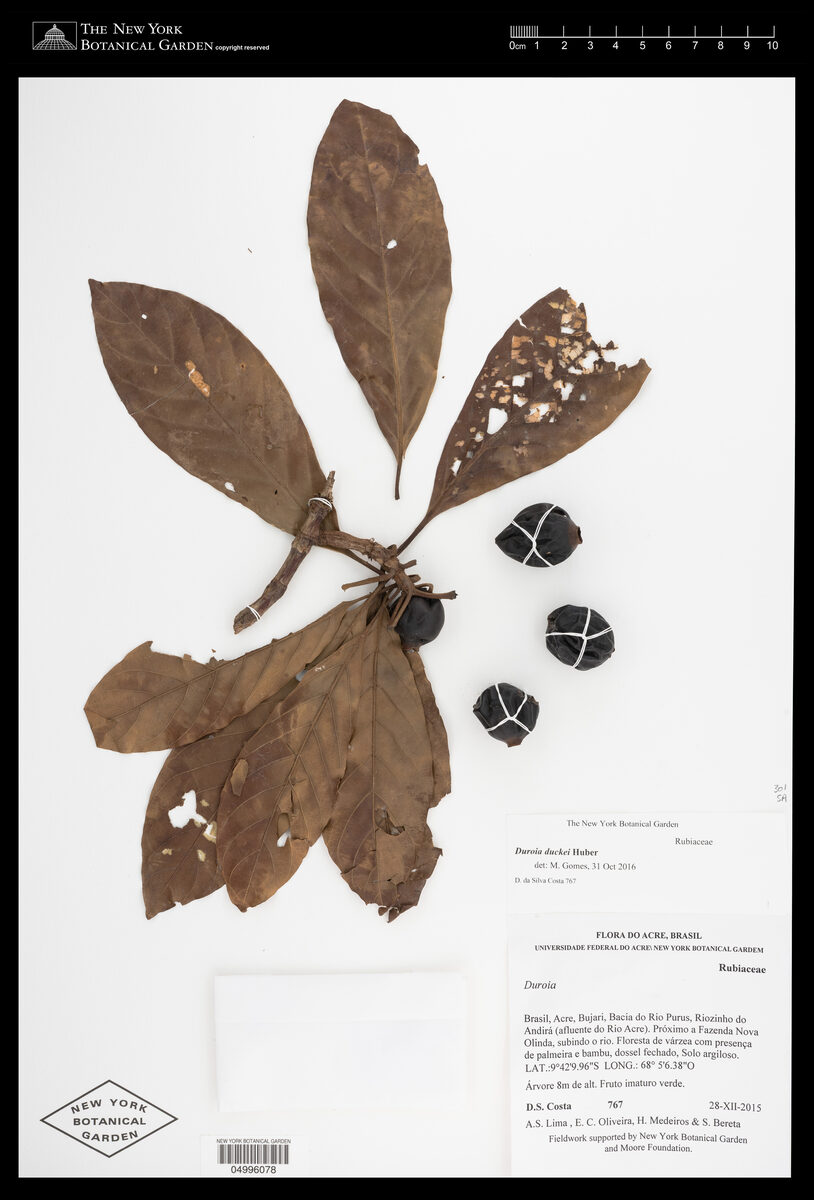
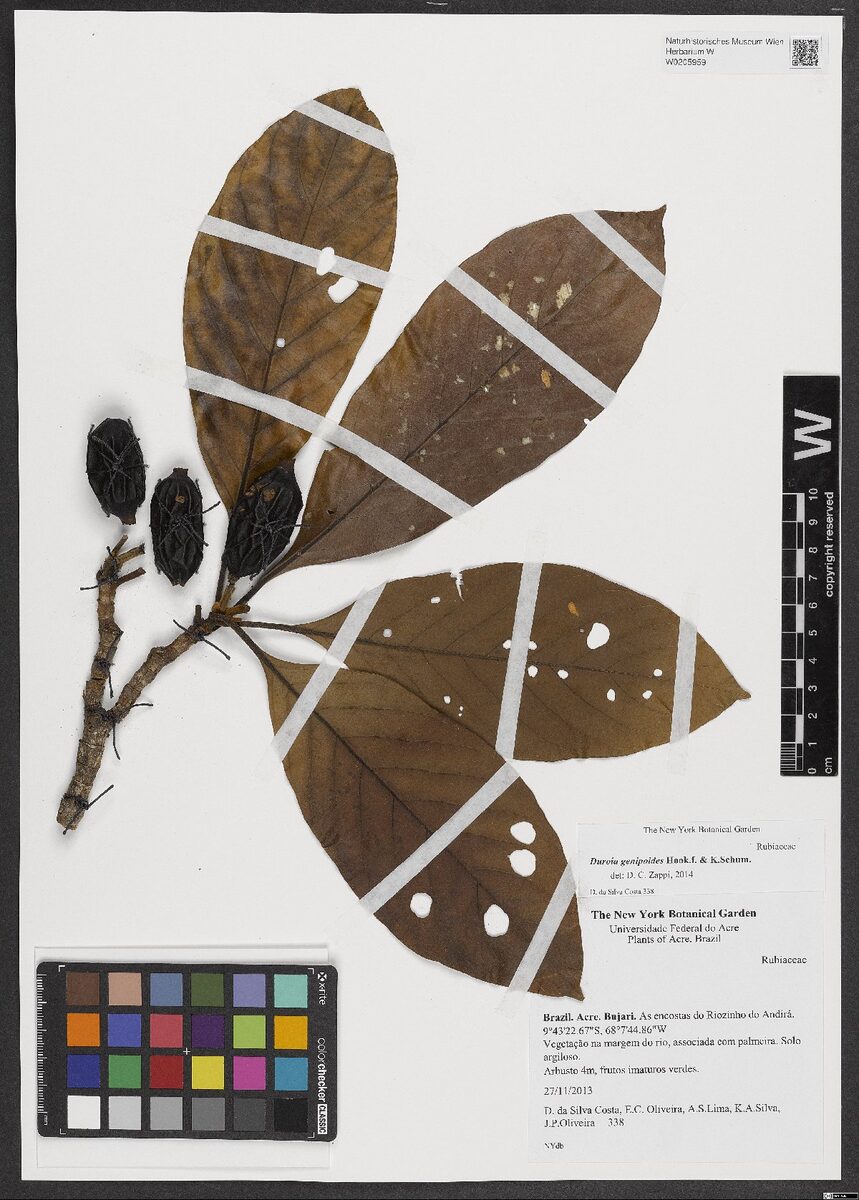
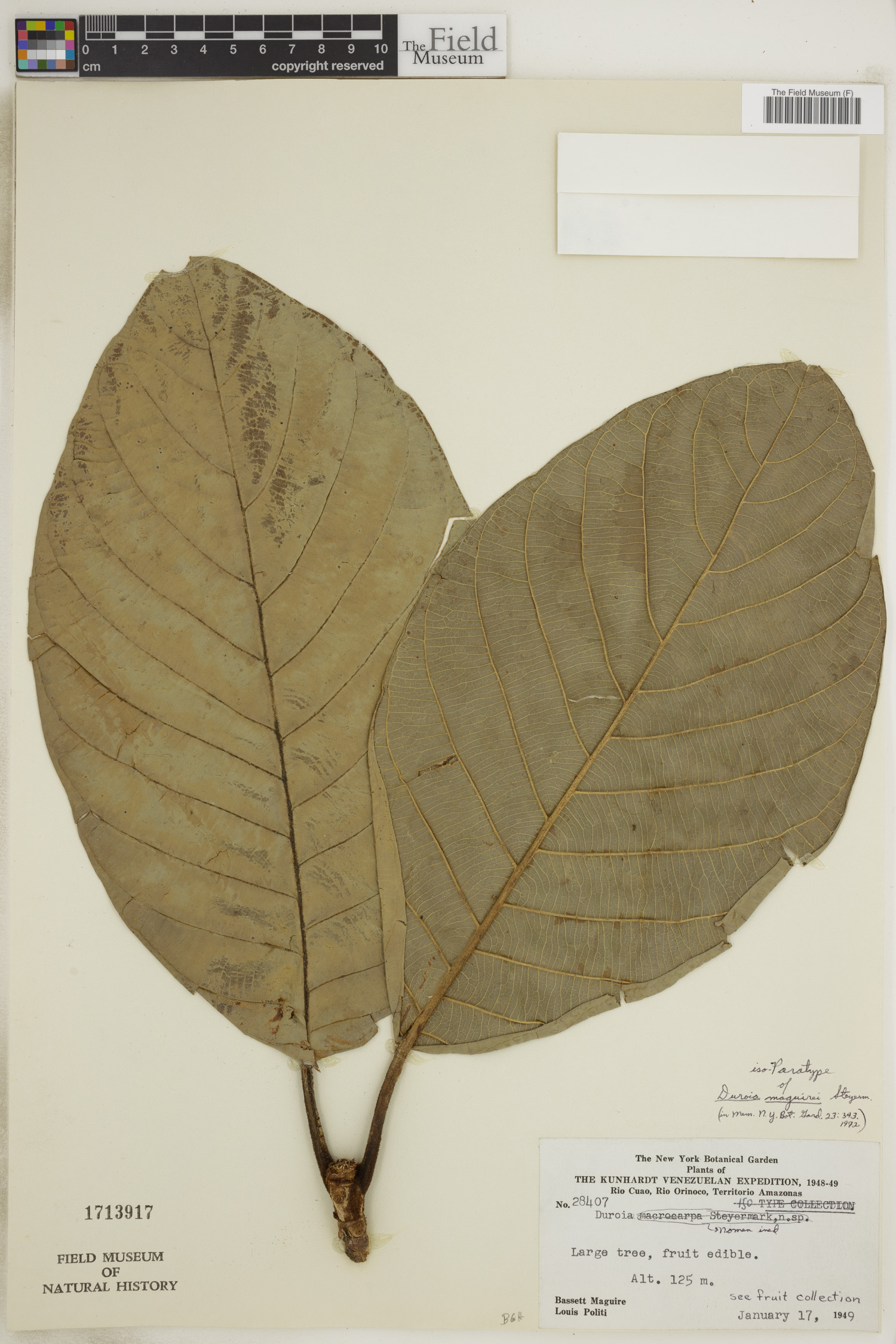
A shrub. It grows 4-9 m tall. The leaves are dark green above and dull underneath. They appear in groups of 3 from the same node. The leaves are oval and 30 cm long. Flowers open at night and have a slight scent. The fruit are green and have lobes. They are 5 cm wide. They are rusty brown when young.
Edible Uses
The dried fruit are used in drinks and valued as a stimulant.
Traditional Uses
The dried fruit are used in drinks.
This uses section is brief — help expand it
Medicinal Uses
The fruit is used as a stimulant.
Distribution
It is a tropical plant. It grows in dense forest. It can be in palm groves, along rivers and on the edge of mangroves. It usually grows between 500-2,000 m above sea level.
Where It Grows
Africa*, Angola, Asia, Central Africa, Central African Republic, CAR, Congo R, East Africa, Guinea, Guinée, Guinea-Bissau, Indonesia, Malawi, Nigeria, SE Asia, Senegal, Sudan, Tanzania, Uganda, West Africa, Zimbabwe,
Cultivation
Plants can be grown from seeds or by cuttings.
Other Uses
The inky sap is used for dyeing the skin. The fruit juice and fresh seeds contain a blue-black dye, which is widely used in tropical Africa to dye or decorate cloth; as a cosmetic for body decoration; to mark an outline for tattooing; to rub into tribal markings in the skin to make them more conspicuous; and as an ink. The dye is said to be permanent. To obtain the dye, the fruit is heated on a fire then crushed. The black liquid obtained can be mixed up with charcoal powder for drawing designs. The colour can be changed to greyish-blue by adding lemon juice on the entire dyed cloth or on some designs only. The dye is sometimes mixed together with dye prepared from the pods and seeds of Piliostigma thonningii. The wood is hard and used for hoe-handles.
Production
In Central African Republic flowers have been recorded in June and September and fruit in March.
Synonyms
Also Known As
Bobe, Fina, Pohon rotmania
References (6)
- Chapman, J. D. & Chapman, H. M., 2001, The Forest Flora of Taraba and Andamawa States, Nigeria. WWF & University of Canterbury. p 200
- Lautenschläger, T., et al, 2018, First large-scale ethnobotanical survey in the province of Uíge, northern Angola. Journal of Ethnobiology and Ethnomedicine (2018) 14:51
- Malaisse, F., 1997, Se nourrir en floret claire africaine. Approche ecologique et nutritionnelle. CTA., p 91.
- Sukarya, D. G., (Ed.) 2013, 3,500 Plant Species of the Botanic Gardens of Indonesia. LIPI p 486 (As Randia mallaeifera)
- von Katja Rembold, 2011, Conservation status of the vascular plants in East African rain forests. Dissertation Universitat Koblenz-Landau p 181
Show all 6 references Hide references
- World Checklist of Useful Plant Species 2020. Royal Botanic Gardens, Kew