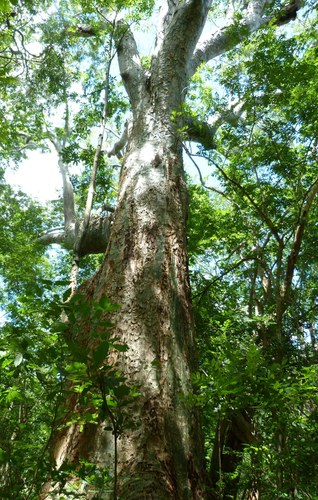
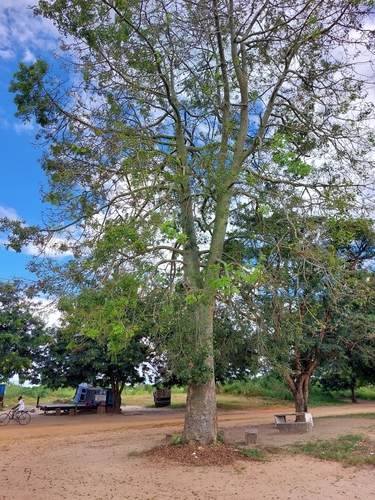
Byttneria aculeata
(Jacq.) Jacq.
Espino hueco, Common hog weed
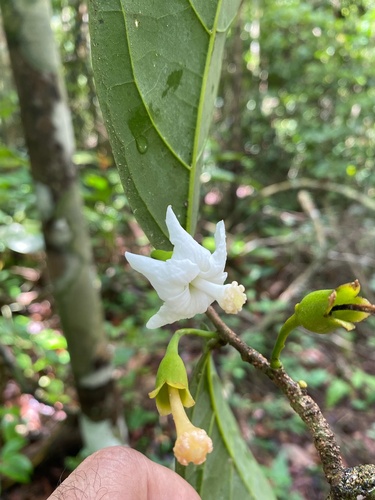
iNaturalist· cc-by-nc
(c) Barry Sullender, some rights reserved (CC BY-NC), uploaded by Barry Sullender
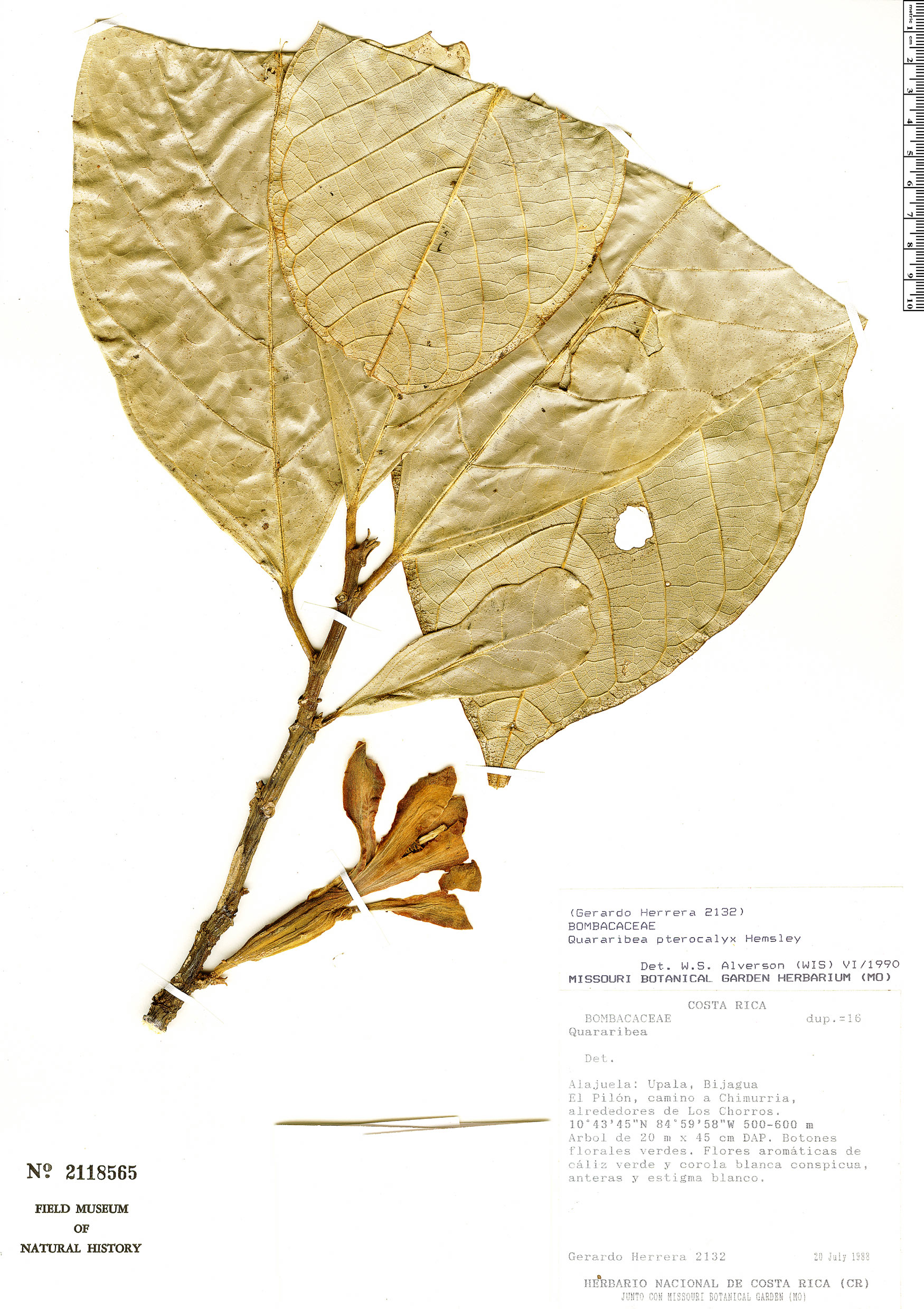
iNaturalist· cc-by-nc-sa
(c) Reinaldo Aguilar, some rights reserved (CC BY-NC-SA)
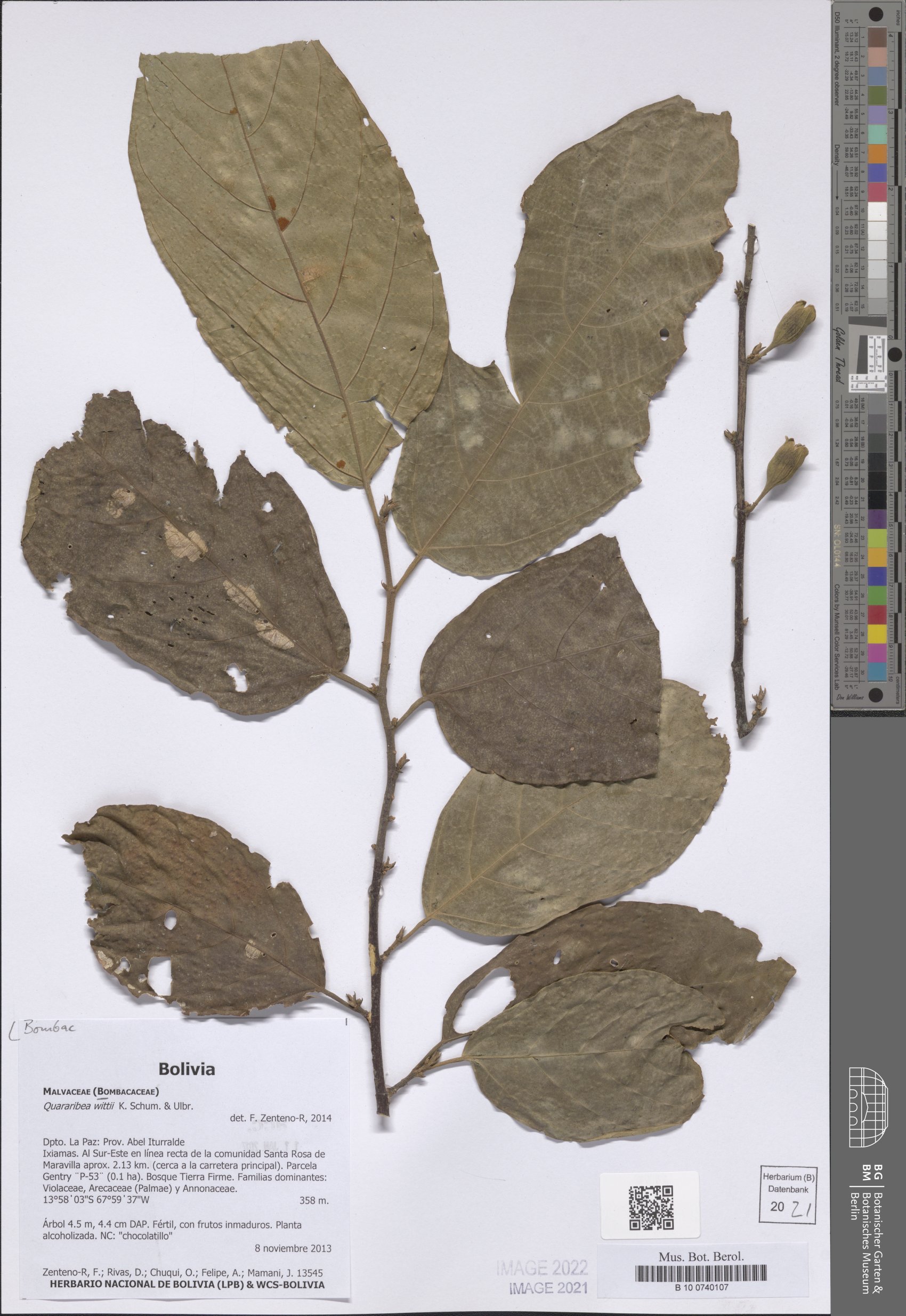
iNaturalist· cc-by-nc
(c) Jan Meerman, some rights reserved (CC BY-NC), uploaded by Jan Meerman
Description
A shrub. The stems are hollow and angular. It can be erect or lying along the ground. The branches and lower leaf surfaces have curved prickles.
This description is brief — help expand it
Edible Uses
Young leaves are eaten as greens. The roots are used as a substitute for sarsaparilla. It is used as a famine food.
Traditional Uses
The young leaves are eaten as greens. The root is a substitute for sarsaparilla.
This uses section is brief — help expand it
Medicinal Uses
The root is used as a substitute for sarsaparilla.
Distribution
A tropical plant. It grows up to 1,200 m above sea level.
Where It Grows
Andes, Belize, Bolivia, Central America, Colombia, Guyana, Mexico, North America, South America, Yucatan,
Cultivation
This plant is one of the worst weeds in banana plantations. Areas in which it grows soon become impenetrable unless the bushes are cut. Wherever it grows, the shrub is a great pest, since the sharp prickles tear the flesh painfully, so that it is impossible to pass through an infested place without the use of a machete. Seedlings often grow abundantly in clearings.
Other Information
It is a famine food.
Notes
Also put in the family Sterculiaceae. It can be a serious weed.
Synonyms
Also Known As
Bolool othow, Cipo-malva
References (2)
- (As Buettneria aculeata)
- Kermath, B. M., et al, 2014, Food Plants in the Americas: A survey of the domesticated, cultivated and wild plants used for Human food in North, Central and South America and the Caribbean. On line draft. p 153