Ceiba speciosa
(A. St.-Hil.) Ravenna
Silk floss tree
iNaturalist· cc-by-nc
(c) amiestanley, some rights reserved (CC BY-NC)
iNaturalist· cc-by-nc
(c) Flávia Melo, some rights reserved (CC BY-NC), uploaded by Flávia Melo
iNaturalist· cc-by-nc
(c) Evandro Mariano, some rights reserved (CC BY-NC), uploaded by Evandro Mariano
Summary
Source: WikipediaCeiba speciosa, the floss silk tree (formerly Chorisia speciosa), is a species of deciduous tree that is native to the tropical and subtropical forests of South America. It has several local common names, such as palo borracho (in Spanish literally "drunken stick"), or árbol del puente, samu'ũ (in Guarani), or paineira (in Brazilian Portuguese). In Bolivia, it is called toborochi, meaning "tree of refuge" or "sheltering tree". In the USA it often is called the silk floss tree. It belongs to the same subfamily as the baobab; the species Bombax ceiba; and other kapok trees. Another tree of the same genus, Ceiba chodatii, is often referred to by the same common names.
Description
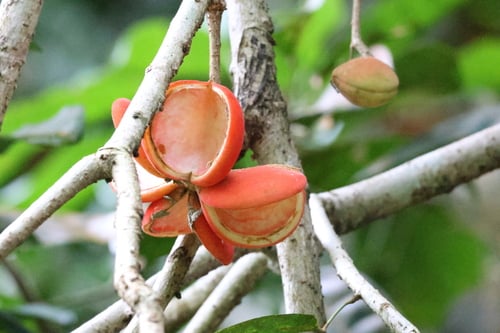
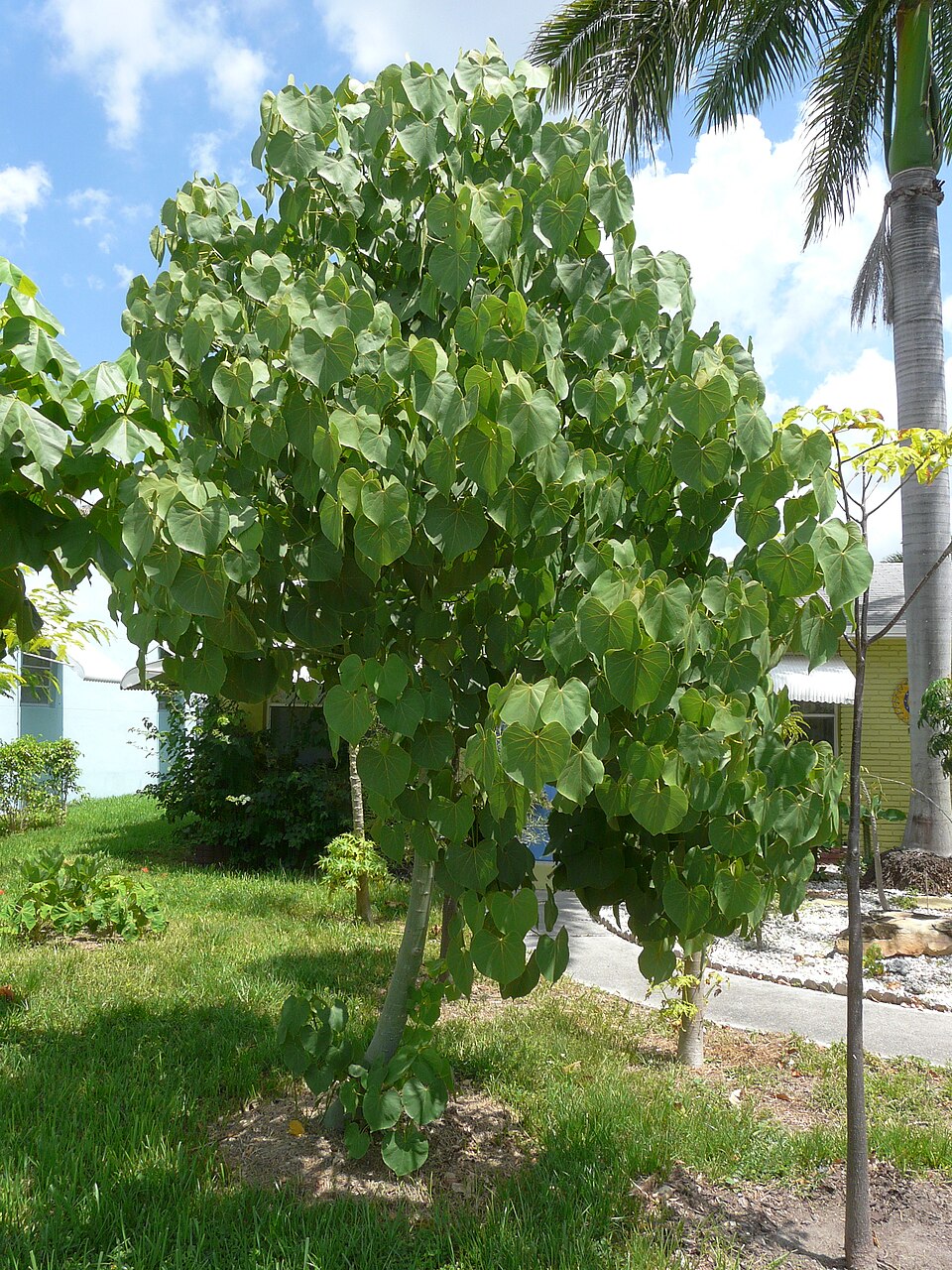
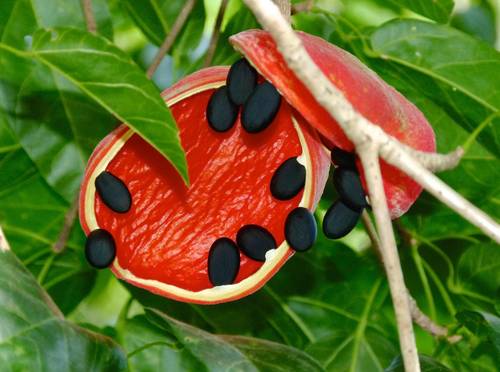
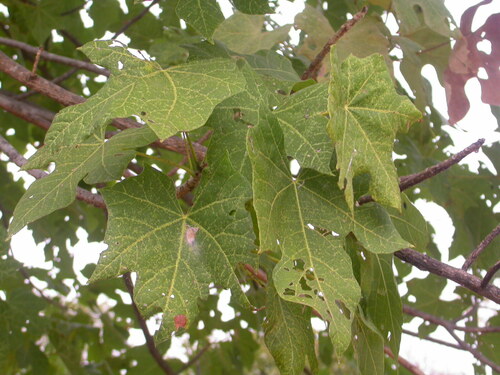
A tree. The trunk is bottle shaped. It has thick cone shaped prickles. The young trees have a green trunk. It loses its leaves during the year. The leaves are made up of 5-7 long leaflets. The flowers are creamy white and pink towards the tip of the petals. There are 5 petals. The fruit are woody pods 20 cm long. The seeds are black and bean sized. They have fibrous silk or cotton around them.
Edible Uses
The 'cotton' inside the capsules, although not so good quality as that of the kapok tree, has been used as stuffing (density = 0.27 g/cm3). The wood can be used to make canoes, as wood pulp, and to make paper. The bark has been used to make ropes. From the seeds, it is possible to obtain vegetable oil (both edible and industrially useful). The floss silk tree is cultivated mostly for ornamental purposes. Outside of private gardens around the world, it is often planted along urban streets in subtropical areas such as in Spain, South Africa, Australia, northern New Zealand, and the southern USA, although its prickled trunks and limbs require establishing safety buffer zones around the tree in order to protect people and domesticated animals. Ceiba speciosa is added to some versions of the hallucinogenic drink Ayahuasca.
Distribution
It is a tropical plant. It can resist drought. It can tolerate some cold. In Argentina it grows below 700 m above sea level. National Arboretum Canberra.
Where It Grows
Africa, Argentina, Asia, Australia, Bolivia, Brazil*, Ethiopia, India, Paraguay, Peru, South America*, Uruguay, West Indies,
Cultivation
A plant of the subtropics and warm temperate zones. Prefers a rich, well-drained soil and a position in full sun. Established plants are very drought tolerant. Newly planted young trees grow away quickly, easily reaching a height of 5 - 6 metres within 2 years.
Propagation
Seed - best sown as soon as it is ripe. Sow the seed in a semi-shaded position in a nursery seedbed or individual containers, covering them with a thin layer of compost. Germination rates of 80% or more can be expected, with the seed sprouting within 5 - 8 days. Transplant seedlings from the seedbed into individual containers when they are 5 - 6cm tall. Seedlings grow away quickly and should be ready to plant out into their permanent positions within 4 months. Layers.
Other Uses
The seed floss is used as a stuffing material in pillows, cushions etc. A kapok-like material, it is of good quality. This plant yields a fibre of which textures are made which are so much like silk in their lustre, fineness, and pliability as to be scarcely distinguished from it. The heartwood is greyish and brown; it is not differentiated from the sapwood. The textured is coarse; the grain is straight; lustre is bright to very bright. The wood is light in weight, soft and has little durability, being susceptible to fungi and insect attacks. It can be used for making canoes, troughs, wooden bowls, clogs, boxes etc. It can also be used as a source of cellulose.
Production
It grows quickly.
Notes
Also put in the family Bombacaceae. In the subfamily Bombacoideae.
Synonyms
Also Known As
Algodon, Algodonero, Algodori, Barriguda, Divi, Paina, Paineira
References (6)
- Brack, P., et al, 2020, Frutas nativas do Rio Grande do Sul, Brasil: riqueza e potencial alimentício. Native fruits of Rio Grande do Sul, Brazil: richness and potential as food. Rodriguésia 71: e03102018.
- Grandtner, M. M. & Chevrette, J., 2013, Dictionary of Trees, Volume 2: South America: Nomenclature, Taxonomy and Ecology. Academic Press p 117
- INFOODSUpdatedFGU-list.xls
- Kew Plants of the World Online
- Kinupp, V. F., 2007, Plantas alimenticias nao-convencionais da regiao metropolitana de Porto Alegre, RS, Brazil p 80
Show all 6 references Hide references
- Kinupp, V. F. & Bergman, I., 2008, Protein and minerals of native species, potential vegetables and fruits. Cienc.Tecnol. Aliment. Vol. 28 No. 4 Campinas Oct/Dec.