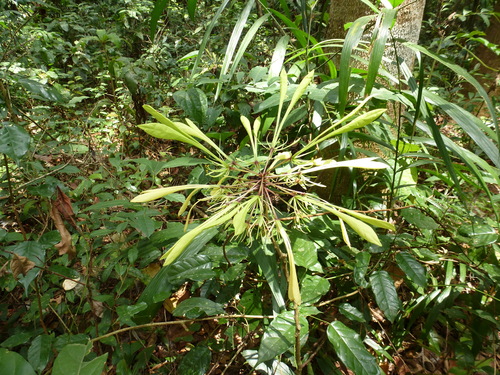
Buchholzia coriacea
Engl.
Musk Tree, Wonder cola
No photos yet for Buchholzia coriacea
Sign in to contribute a photoDescription
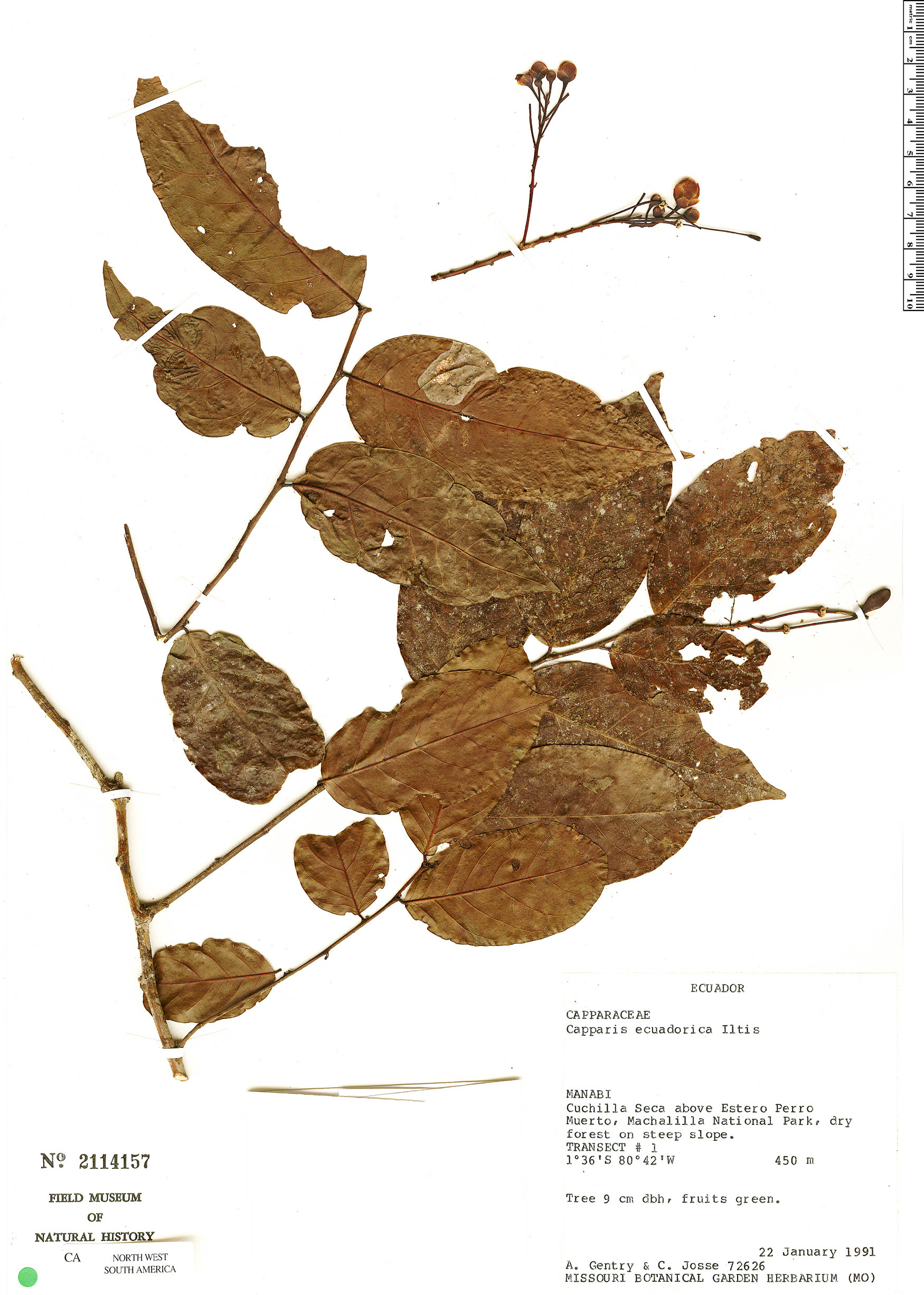
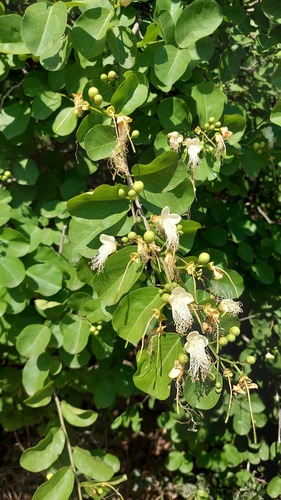
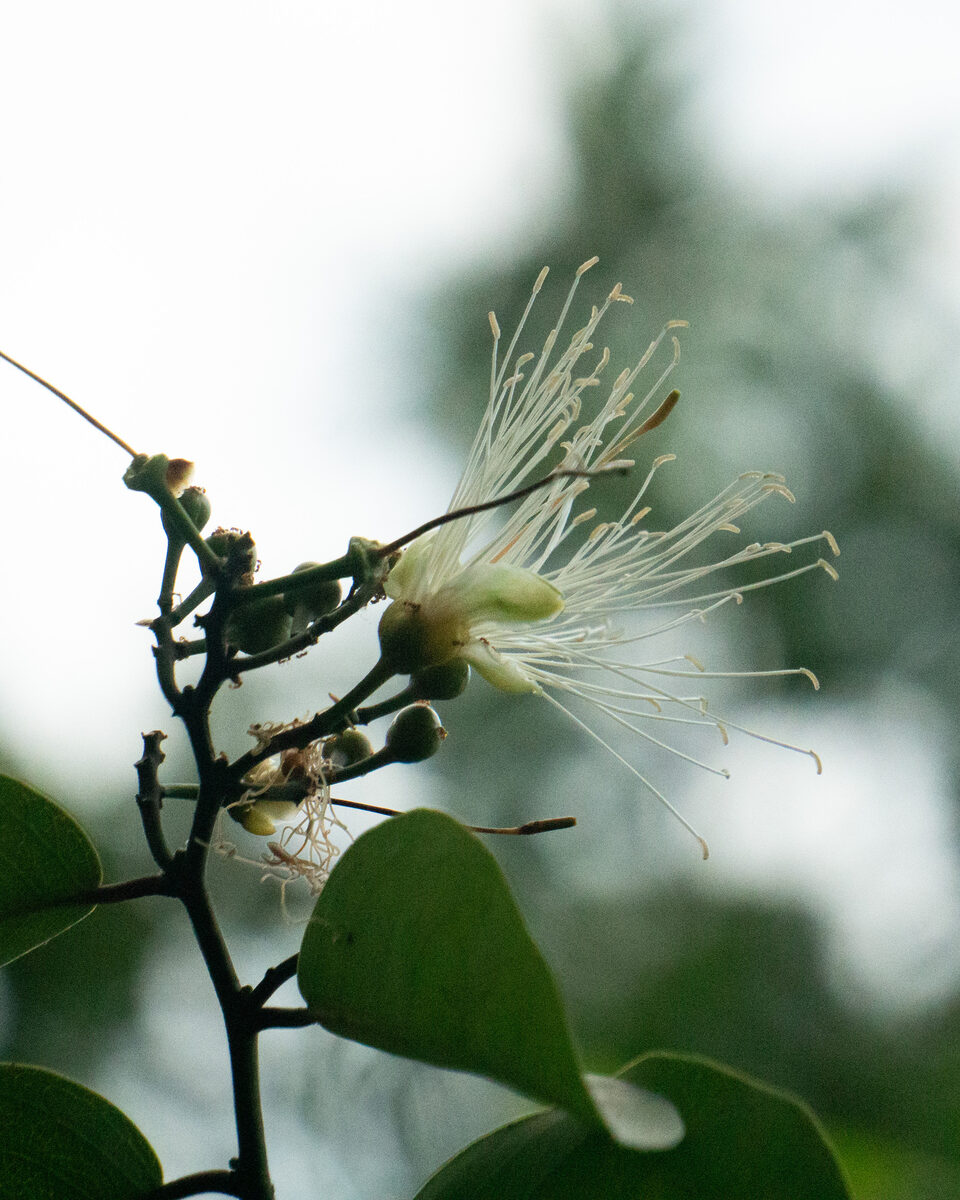
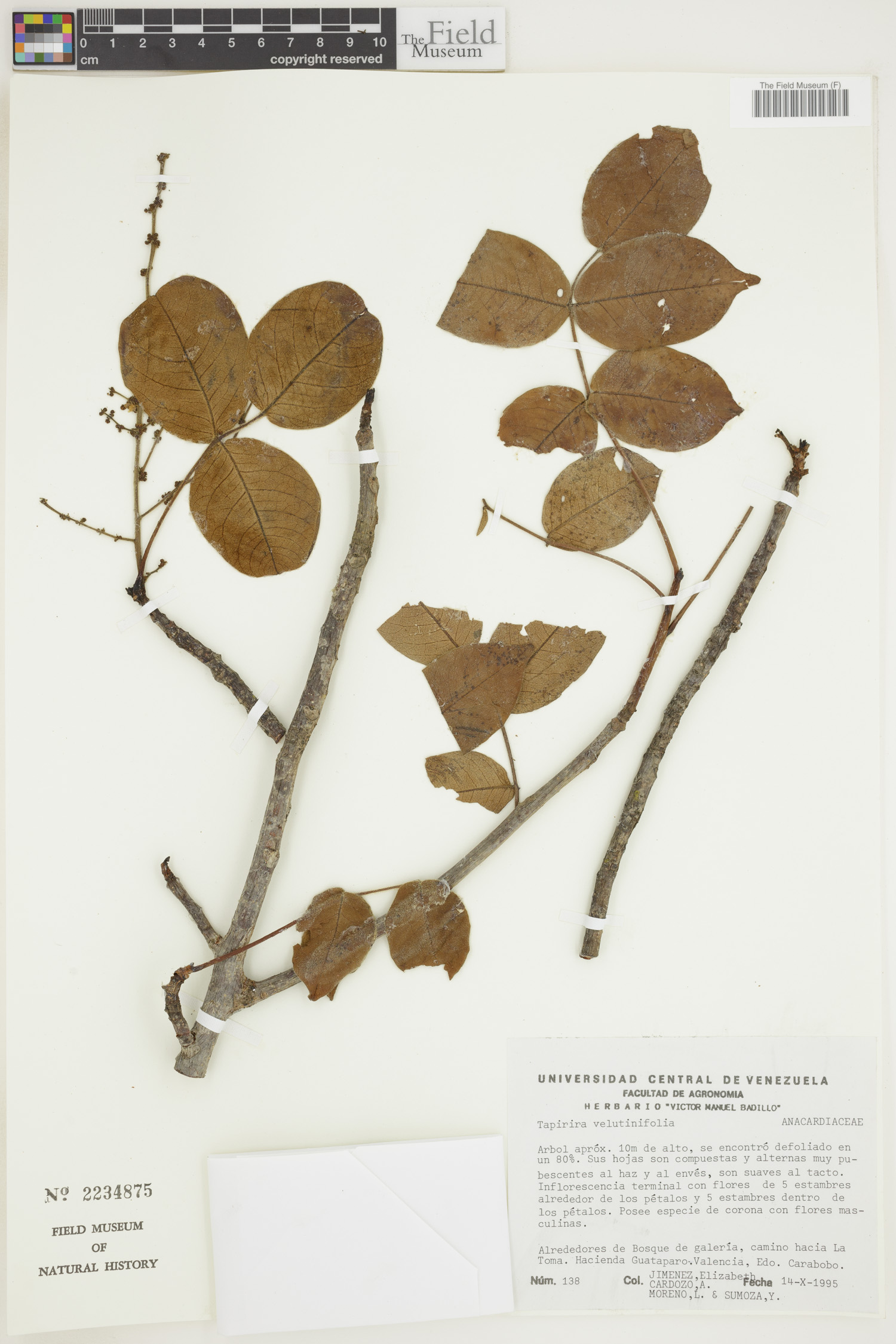
A forest tree. It grows to 10-20 m high. The trunk is 1.5 m across. The crown is dense and evergreen. The bark is smooth and dark green or brown. The leaves are 15-25 cm long and 5-7.5 cm wide. They are pale green on the upper surface and very pale green underneath. The leaf stalk is 5-12.5 cm long and swollen at each end. The leaves are arranged in spirals at the ends of the small branches. The flowers are in clusters about 25 cm long. They occur among the leaves near the ends of the shoots. The fruit are 12 cm long and 5-7.5 cm wide. They are yellowish when ripe. The flesh is yellow and contains a few large blackish seed. These are about 25 mm long. The seeds are edible and taste peppery.
Edible Uses
The arid or fleshy layer around the seeds is chewed. The fruit are stored for a few days then boiled and eaten. The seeds are eaten after prolonged boiling and have a peppery taste.
Traditional Uses
The aril or fleshy layer around the seeds is chewed. The fruit are stored for a few days then boiled and eaten. The seeds are eaten after prolonged boiling.
Distribution
It is a tropical plant. It grows as an understorey tree in the lowland rainforest. It suits humid locations.
Where It Grows
Africa, Benin, Cameroon, Central Africa, Central African Republic, CAR, Côte d'Ivoire, Gabon, Ghana, Guinea, Guinée, Guinea-Bissau, Ivory Coast, Liberia, Nigeria, Sao Tome and Principe, Sierra Leone, Togo, West Africa,
Synonyms
Also Known As
Esono-bise, Owi, Uke, Uworo
References (15)
- Abbiw, D.K., 1990, Useful Plants of Ghana. West African uses of wild and cultivated plants. Intermediate Technology Publications and the Royal Botanic Gardens, Kew. p 46
- Altschul, S.V.R., 1973, Drugs and Foods from Little-known Plants. Notes in Harvard University Herbaria. Harvard Univ. Press. Massachusetts. no. 1360
- Bircher, A. G. & Bircher, W. H., 2000, Encyclopedia of Fruit Trees and Edible Flowering Plants in Egypt and the Subtropics. AUC Press. p 68
- Burkill, H. M., 1985, The useful plants of west tropical Africa, Vol. 1. Kew.
- Dalziel, J. M., 1937, The Useful plants of west tropical Africa. Crown Agents for the Colonies London.
Show all 15 references Hide references
- FAO, 1995, Edible Nuts. Non Wood Forest Products 5.
- FAO Corporate Document Repository. The Major Significance of 'Minor' Forest Products. Appendix 3
- Grivetti, L. E., 1980, Agricultural development: present and potential role of edible wild plants. Part 2: Sub-Saharan Africa, Report to the Department of State Agency for International Development. p 33
- Keay, R.W.J., 1989, Trees of Nigeria. Clarendon Press, Oxford. p 44
- Menninger, E.A., 1977, Edible Nuts of the World. Horticultural Books. Florida p 11
- Meregini, O. A., 2005, Some endangered plants producing edible fruits and seeds in Southeastern Nigeria. Fruits, Vol. 60 pp 211-220
- Peters, C. R., O'Brien, E. M., and Drummond, R.B., 1992, Edible Wild plants of Sub-saharan Africa. Kew. p 76 (As Buccholzia)
- Vivien, J., & Faure, J.J., 1996, Fruitiers Sauvages d'Afrique. Especes du Cameroun. CTA p 98
- Wickens, G.E., 1995, Edible Nuts. FAO Non-wood forest products. FAO, Rome. p 112
- World Checklist of Useful Plant Species 2020. Royal Botanic Gardens, Kew