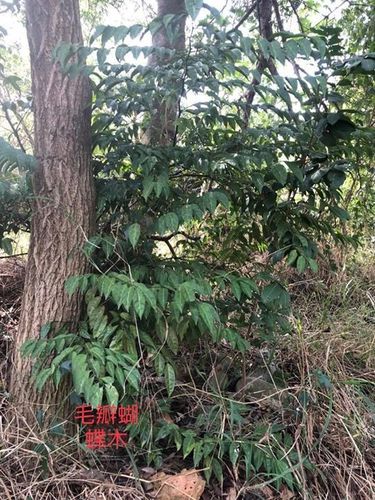
Stixis suaveolens
(Roxburgh) Pierre
Mottled-fruit vine
iNaturalist· cc-by-nc
(c) 刘光裕 Liu Guangyu, some rights reserved (CC BY-NC), uploaded by 刘光裕 Liu Guangyu
wikimedia· cc-by
Wikimedia Commons - Dr. Jayanta Barukial
Summary
Source: WikipediaStixis suaveolens is a species of liana in the family Resedaceae; no subspecies are listed in the Catalogue of Life. It is found in India, southern China and Indo-China; in Vietnam it may be called cây tôn nấm. In Assamese it is called "Madhoi Maloti"
Description
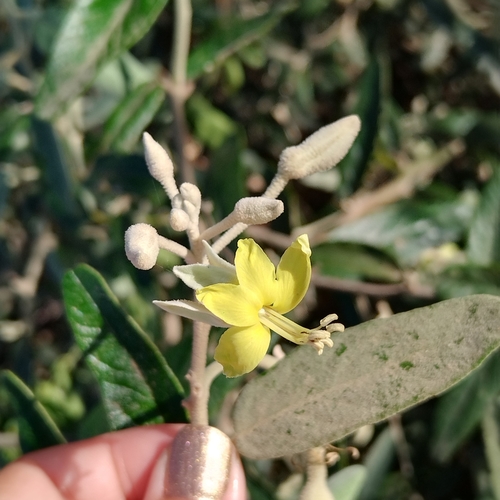
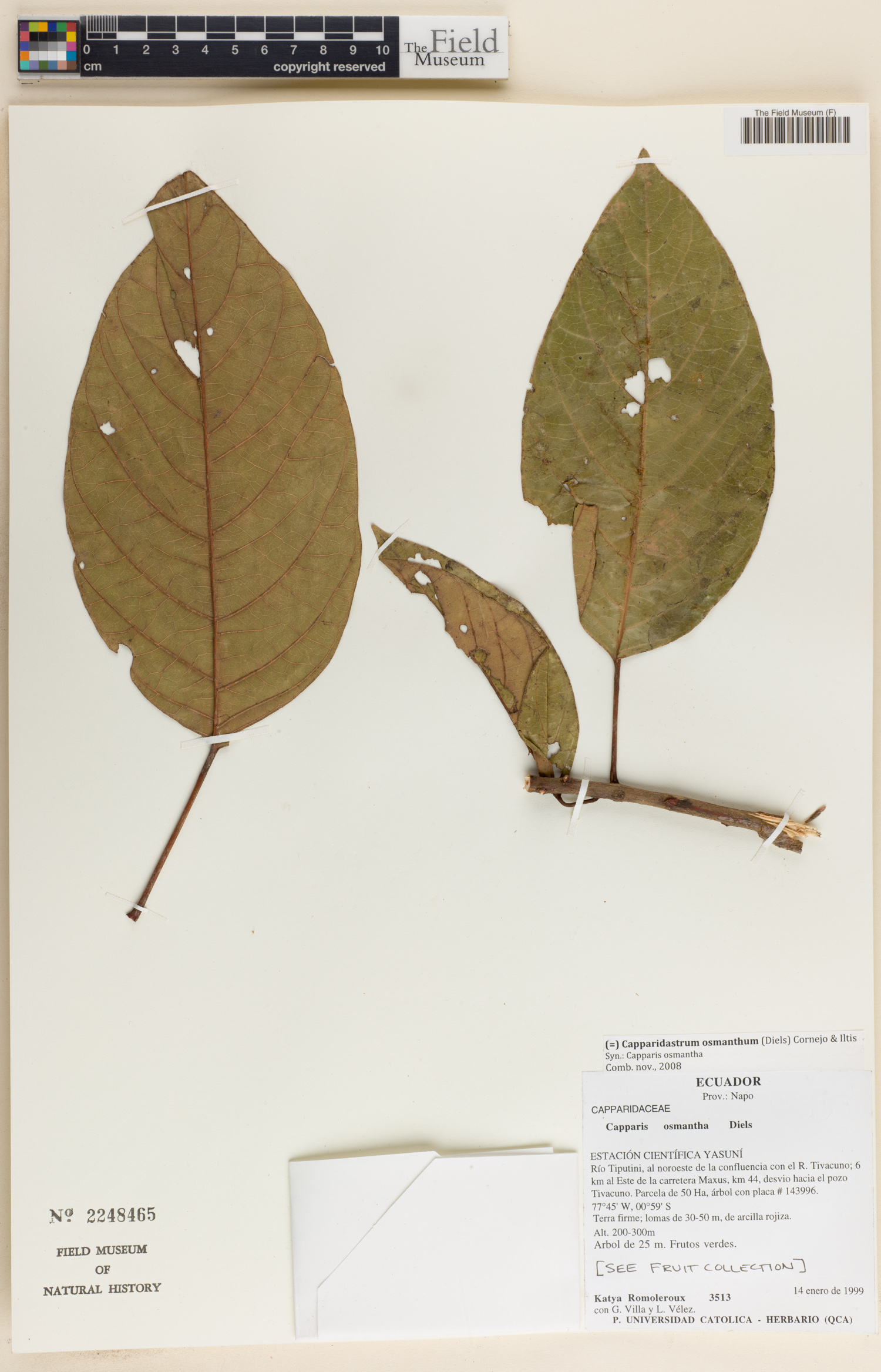
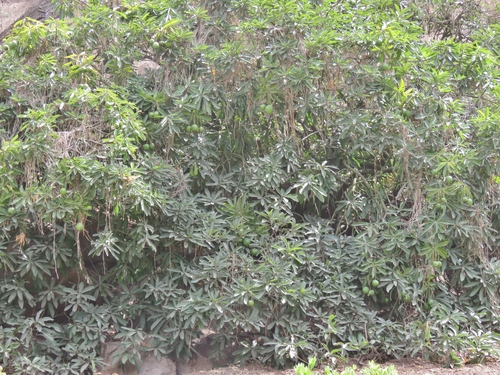
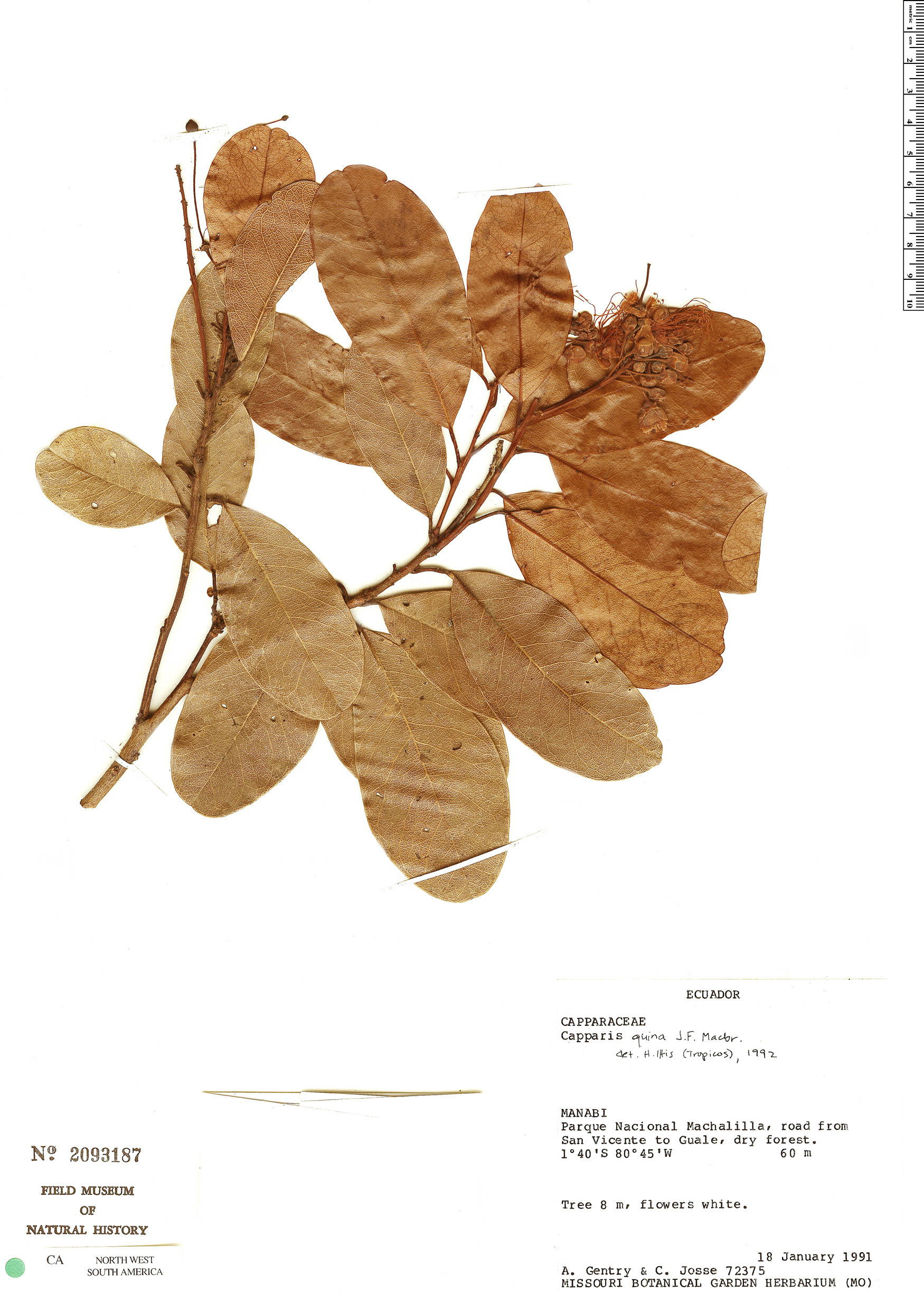
A vine. It is woody and grows 1-15 m long. The side branches are stout. The branches are speckled. The leaves are broadly sword shaped and 15-28 cm long by 4-10 cm wide. The base is round. The leaves are deep green above and paler underneath with raised white dots. The leaf stalks are 2-3 cm long. The flowers are pale yellow and 5-6 mm long. They have a sweet scent. There are 15-25 flowers in a group. The fruit is fleshy and covered with yellow hairs. It is oblong and 3-5 cm long by 3-4 cm wide. The fruit is yellow and mottled.
Edible Uses
The ripe fruit are eaten raw and are sweet with a distinctive smell. The leaves are used as a tea substitute, and the seeds are used as a spice.
Traditional Uses
The ripe fruit are eaten raw. They are sweet and have a smell. The leaves are used as a tea substitute. The seeds are used as a spice.
This uses section is brief — help expand it
Distribution
A tropical plant. It grows up to 1500 m altitude in Yunnan, China. It grows in secondary forest.
Where It Grows
Asia, Bangladesh, Bhutan, Cambodia, China, Himalayas, India, Indochina, Laos, Myanmar, Nepal, Northeastern India, SE Asia, Thailand, Vietnam,
Production
In southern China it flowers in April to May and fruits August to October. In Northeastern India (Tripura) fruit are available May to July.
Notes
Also called Capparidaceae.
Synonyms
Also Known As
Hamvuthi, Hapuweiwei, Hiemaluanlong, Kasonli lahora, Lahut-rih, Madhabilata, Madhumalati, Majeelota, Modhumala, Mokha, Mooni, Narangchi, Rokpo ketumbelem, Rokputtutum, Tamhidi, Tasser tere, Theisawntlung, Titegille, Tunggorrik, Urirei
References (32)
- Ambasta, S.P. (Ed.), 2000, The Useful Plants of India. CSIR India. p 603
- BARC, 2016, State of Biodiversity for Food and Agriculture in Bangladesh. Bangladesh Agricultural Research Council.
- Biswas, S. C., et al, 2018, Diversity of wild edible minor fruits used by the ethnic communities of Tripura, India. Indian Journal of Traditional Knowledge. Vol 17(2), April 2018, pp 282-289
- Chakraborty, S. & Chaturbedi, H. P., 2014, Some Wild Edible Fruits of Tripura- A Survey. Indian Journal of Applied research. (4) 9
- Dobriyal, M. J. R. & Dobriyal, R., 2014, Non Wood Forest Produce an Option for Ethnic Food and Nutritional Security in India. Int. J. of Usuf. Mngt. 15(1):17-37
Show all 32 references Hide references
- Ethnobotany of Karbis. Chapter 4 in p 106
- Flora of China. www.eFloras.org
- Ghorbani, A., et al, 2012, A comparison of the wild food plant use knowledge of ethnic minorities in Naban River Watershed Nature Reserve, Yunnan, SW China. Journal of Ethnobiology and Ethnomedicine; 8:17
- Hu, Shiu-ying, 2005, Food Plants of China. The Chinese University Press. p 424
- Jin, Chen et al, 1999, Ethnobotanical studies on Wild Edible Fruits in Southern Yunnan: Folk Names: Nutritional Value and Uses. Economic Botany 53(1) pp 2-14
- Kar, A., et al, 2013, Wild Edible Plant Resources used by the Mizos of Mizoram, India. Kathmandu University Journal of Science, Engineering and Technology. Vol. 9, No. 1, July, 2013, 106-126
- Lalfakzuala, R., 2007, Ethnobotanical usages of plants in western Mizoram. Indian Journal of Traditional Knowledge. Vol 6(3) pp 480-493
- Lungphi, P., Wangpan, T. & Tangjang, S., 2018, Wild edible plants and their additional uses by the Tangsa community living in the Changlang district of Arunachal Pradesh, India. Pleione 12(2): 151 - 164. 2018.
- Luo, B., et al, 2019, Wild edible plants collected by Hani from terraced rice paddy agroecosystem in Honghe Prefecture, Yunnan, China. Journal of Ethnobiology and Ethnomedicine 15:56
- Majumdar, K and Datta, N., 2009, Traditional wild edible fruits for the forest dwellers of Tripura, India. Pleione 3(2) 167-178
- Meitei, L. R., et al, 2022, An ethnobotanical study on the wild edible plants used by forest dwellers in Yangoupokpi Lokchao Wildlife Sanctuary, Manipur, India. Ethnobotany Research and Application 23:15
- Mozhui, R., et al, 2011, Wild edible fruits used by the tribals of Dimapur district of Nagaland, India. Pleione 5(1): 56 - 64
- Murtem, G. & Chaudhrey, P., 2016, An ethnobotanical note on wild edible plants of Upper Eastern Himalaya, India. Brazilian Journal of Biological Sciences, 2016, v. 3, no. 5, p. 63-81.
- Partha, P., 2014, Ethnobotany of the Laleng (Patra) Community in Bangladesh. Journal of Pharmacognosy and Phytochemistry. 2(6):173-184
- Pasha, M. K. & Uddin, S. B., 2019, Minor Edible Fruits of Bangladesh. Bangladesh J. Plant Taxon. 26(2): 299–313
- Patiri, B. & Borah, A., 2007, Wild Edible Plants of Assam. Geethaki Publishers. p 7
- Pradheep, K., et al, 2016, Wild edible plants used by Konyak tribe in Mon district of Nagaland: Survey and inventorisation. Indian Journal of Natural Products and Resources. Vol 7(1) pp 74-81
- Reis, S. V. and Lipp, F. L., 1982, New Plant Sources for Drugs and Foods from the New York Botanical Garden herbarium. Harvard. p 92
- Sarma, H., et al, 2010, Updated Estimates of Wild Edible and Threatened Plants of Assam: A Meta-analysis. International Journal of Botany 6(4): 414-423
- Sawian, J. T., et al, 2007, Wild edible plants of Meghalaya, North-east India. Natural Product Radiance Vol. 6(5): p 422
- Singh, B., et al, 2012, Wild edible plants used by Garo tribes of Nokrek Biosphere Reserve in Meghalaya, India. Indian Journal of Traditional Knowledge. 11(1) pp 166-171
- Singh, H.B., Arora R.K.,1978, Wild edible Plants of India. Indian Council of Agricultural Research, New Delhi. p 70 (As Roydsia suaveolens)
- Srivastava, R. C., 2009, Traditional knowledge of Adi tribe of Arunachal Pradesh on plants. Indian Journal of Traditional Knowledge. 8(2): 146-153
- Srivastava, R. C., et al, 2010, Indigenous biodiversity of Apatani plateau: Learning on biolcultural knowledge of Apani tribe of Qrunachal Pradesh for sustainable livelihoods. Indian Journal of Traditional Knowledge 9(3): 432-442 (As Roydsia suaveolens)
- Taram, M., et al, 2018, Wild Food Plant Resources of Komkar Adi Tribe of Upper Siang District in Arunachal Pradesh, India. Bulletin of Arunachal Forest Research, Vol. 33(2), 27-35
- Teron, R. & Borthakur, S. K., 2016, Edible Medicines: An Exploration of Medicinal Plants in Dietary Practices of Karbi Tribal Population of Assam, Northeast India. In Mondal, N. & Sen, J.(Ed.) Nutrition and Health among tribal populations of India. p 150
- www.efloras.org Flora of China Volume 7