Broussonetia kazinoki
Siebold.
Kozo, Chu
iNaturalist· cc-by-nc
(c) onidiras-iNaturalist, some rights reserved (CC BY-NC), uploaded by onidiras-iNaturalist
iNaturalist· cc-by-nc
(c) onidiras-iNaturalist, some rights reserved (CC BY-NC), uploaded by onidiras-iNaturalist
iNaturalist· cc-by-nc
(c) onidiras-iNaturalist, some rights reserved (CC BY-NC), uploaded by onidiras-iNaturalist
Summary
Source: WikipediaDeciduous tree growing to 4.5m tall. Flowers in August with seeds ripening in September. Monoecious with individual male and female flowers on the same plant but not self-fertile. Tolerates light sandy, medium loamy, and heavy clay well-drained soils with mildly acid to basic pH. Requires full sun and tolerates both dry and moist conditions and atmospheric pollution. Hardy to UK zone 7, not frost tender.
Description
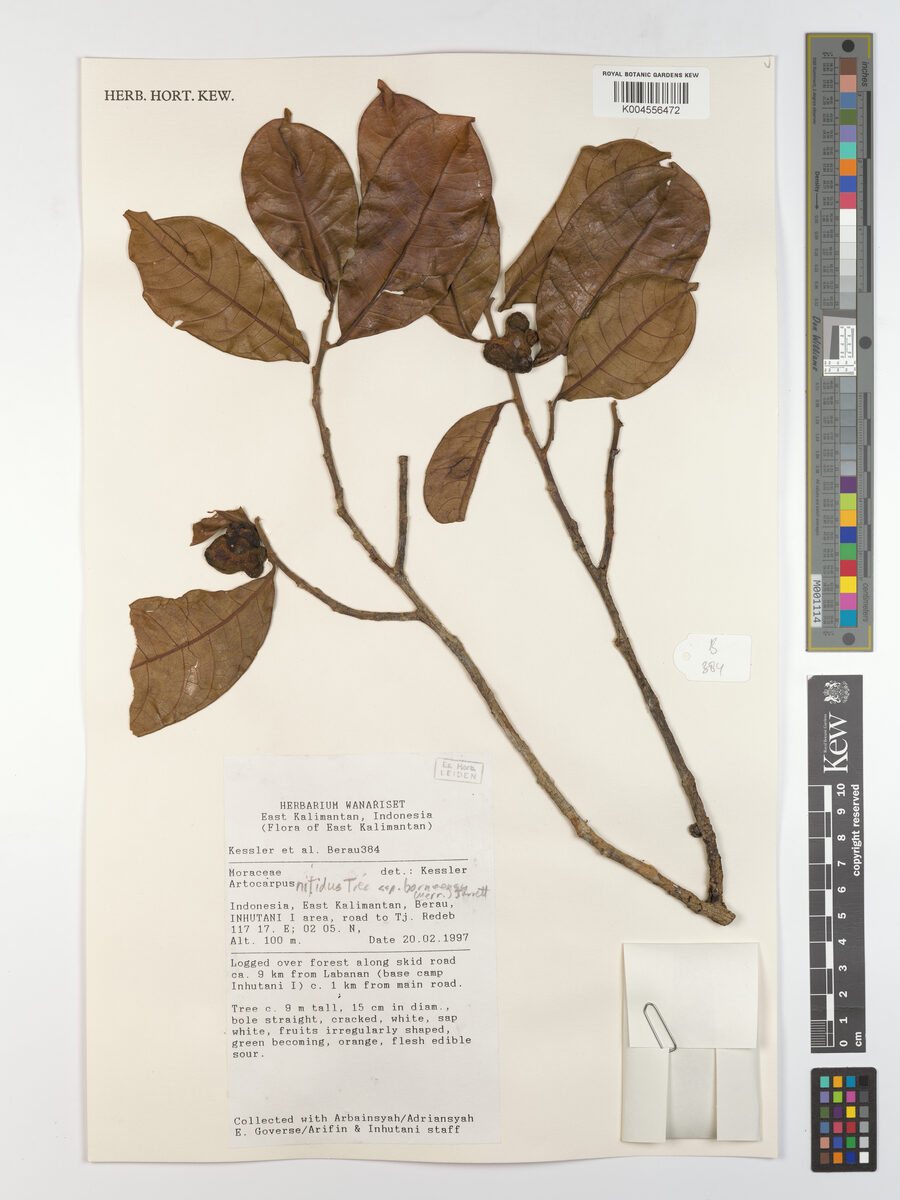
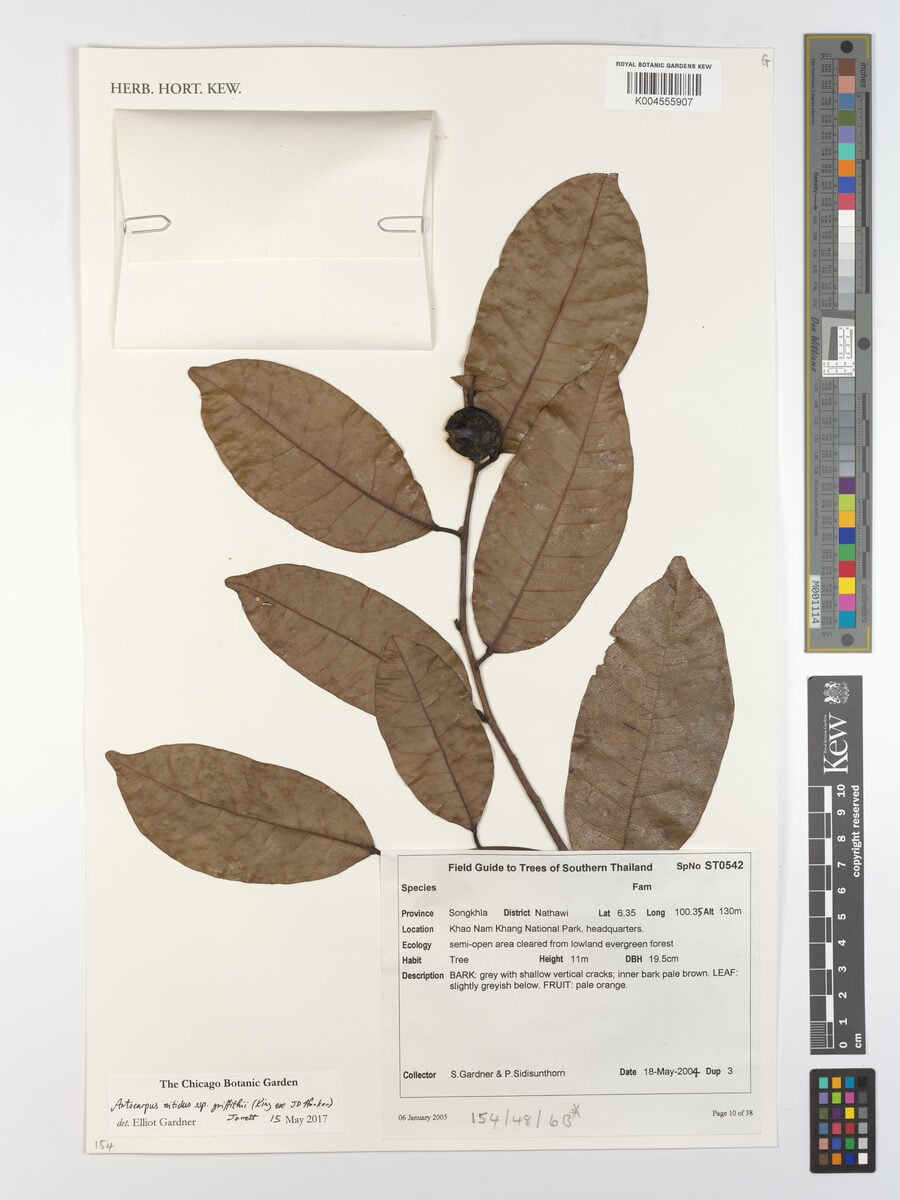
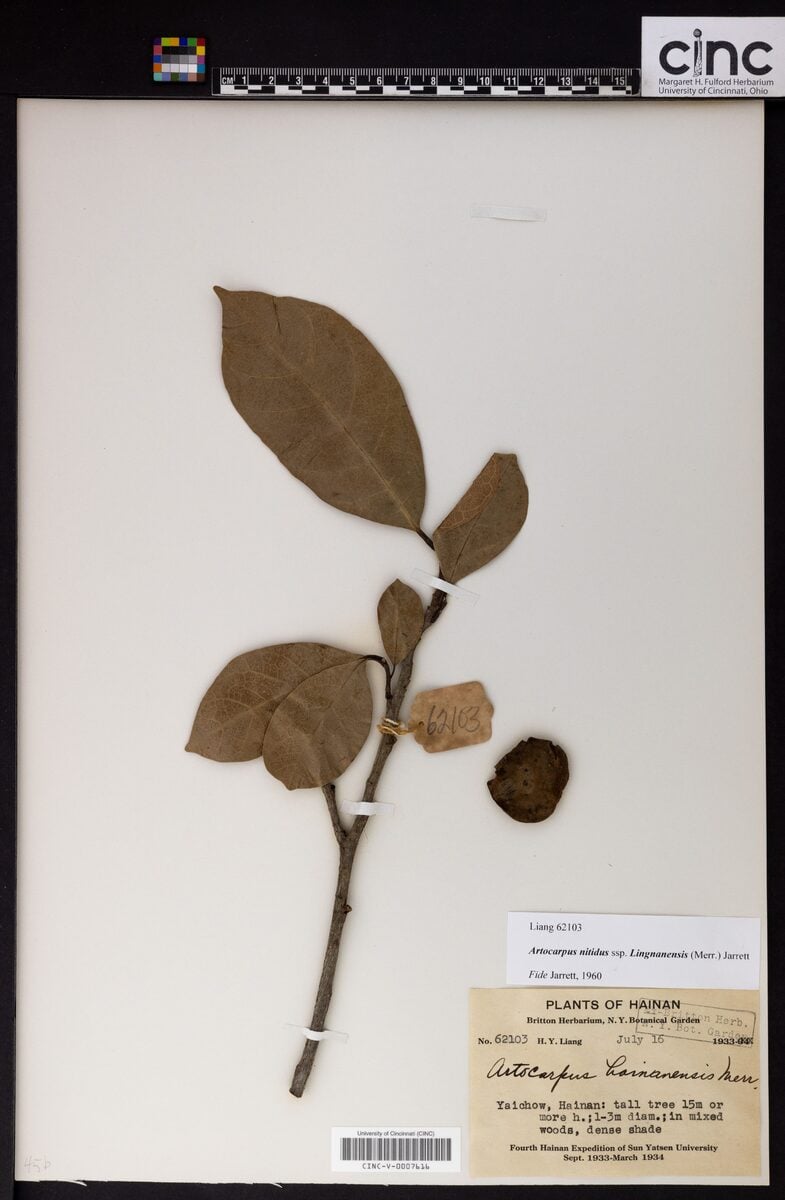
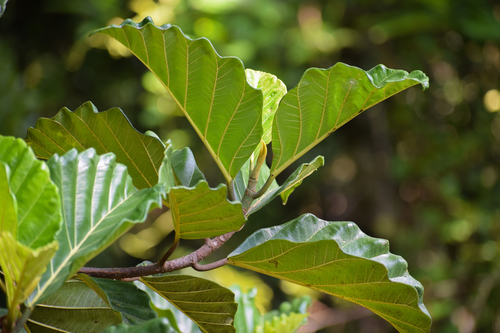
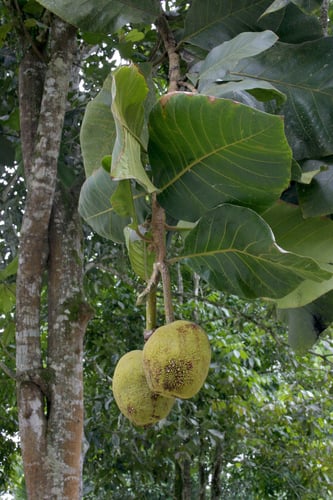
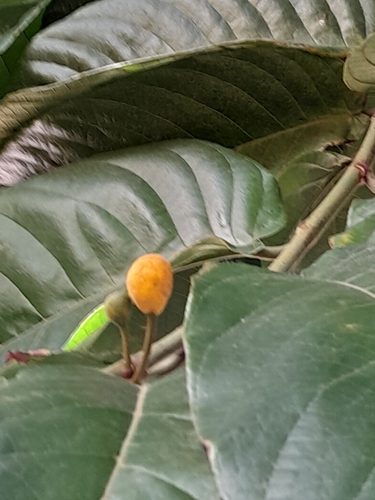
A shrub. It grows 2-4 m tall. It has a spreading habit. Plants are separately male and female. Branches are hairy when young. The twigs are red. The leaf stalks is about 1 cm long. The leaf blade is oval or heart shaped and 3-7 cm long by 3-4 cm wide. Leaves can be 25 cm long. They are either simple or have 3 lobes. There are triangular teeth along the edges. The male flowers are in very short clustered catkins. The female flowers are in small heads. The fruiting heads are red and hairy.
Edible Uses
Edible Parts: Flowers Fruit Leaves Edible Uses: Fruit - raw. A sweet taste. The fruit comprises a ball about 1cm in diameter with small edible fruits protruding - there is not much edible flesh but it has a lovely flavour. Prolonged ingestion of the fruit is said to weaken the bones. Leaves - cooked and used as a vegetable. Flowers. No more details.
Medicinal Uses
Tonic The fruit is used as a tonic to increase vision and sexual potency.
Distribution
It is a temperate and subtropical plant. It is native to Japan and Korea. It grows in mountain forests. It suits hardiness zones 6-11.
Where It Grows
Asia, Britain, China, Europe, Japan, Korea, Taiwan,
Cultivation
Easily cultivated in a warm sunny position in any soil of reasonable quality, thriving on poor sandy or gravelly soils. Tolerates atmospheric pollution. The young growth in spring, even on mature plants, is frost-tender and so it is best to grow the plants in a position sheltered from the early morning sun. Often cultivated in Japan for the fibre in its bark, the tree is coppiced annually for this purpose. Some plants are monoecious whilst others are dioecious. Male and female plants must usually be grown if seed is required.
Propagation
Seed - no pre-treatment is required. Sown in the autumn or spring in a greenhouse, germination usually takes place within 1 - 3 months at 15°c. When large enough to handle, prick the seedlings out into individual pots and grow them on in the greenhouse for at least their first winter, planting them out into their permanent positions in late spring or early summer, after the last expected frosts. Cuttings of half-ripe wood, 8 - 12cm long with a heel, July/August in a frame. High percentage. Cuttings of mature wood of the current season's growth, November in a frame. Root cuttings in winter. Layering in spring.
Other Uses
Fibre A fibre from the bark is used in making paper, cloth, rope etc. It is inferior to B. papyrifera. Special Uses
Production
In southern China plants flower in April and May and fruit in May to June.
Notes
There are 8 Broussonetia species.
Synonyms
References (7)
- Chen, B. & Qiu, Z., Consumer's Attitudes towards Edible Wild Plants, Ishikawa Prefecture, Japan. p 22 www.hindawi.com/journals/ijfr/aip/872413.pdf
- Etherington, K., & Imwold, D., (Eds), 2001, Botanica's Trees & Shrubs. The illustrated A-Z of over 8500 trees and shrubs. Random House, Australia. p 142
- Hwang, H., et al, 2013, A Study on the Flora of 15 Islands in the Western Sea of Jeollanamdo Province, Korea. Journal of Asia-Pacific Biodiversity Vol. 6, No. 2 281-310
- Hwang, HS, et al, 2014, Distribution characteristics of plant in the Ungseokbong Mountain, Gyeongsangnam-do, Korea. Journal of Asia-Pacific Biodiversity. 7(2014) e164-e178
- Plants for a Future database, The Field, Penpol, Lostwithiel, Cornwall, PL22 0NG, UK. http://www.scs.leeds.ac.uk/pfaf/
Show all 7 references Hide references
- Verh. Batav. Genootsch. Kunsten 12:28. 1830
- www.eFloras.org Flora of China