Leucaena pallida
Britton & Rose
Guajal
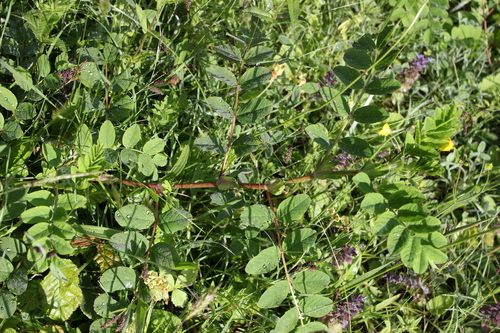
iNaturalist· cc-by-nc
(c) Rincon aventurero, some rights reserved (CC BY-NC), uploaded by Rincon aventurero
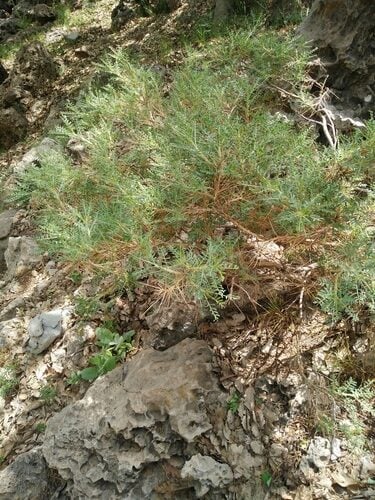
iNaturalist· cc-by-nc
(c) Rincon aventurero, some rights reserved (CC BY-NC), uploaded by Rincon aventurero
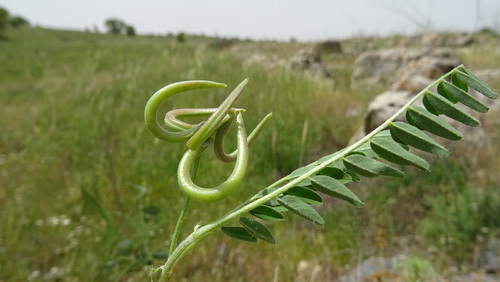
iNaturalist· cc-by-nc-sa
(c) Smithsonian Institution, National Museum of Natural History, Department of Botany, some rights reserved (CC BY-NC-SA)
Description
A shrub or small tree. It loses its leaves during the year. The crown is often open and spreading. It grows 3-7 m tall. It can have several stems. These are 10-15 cm across. The fruit are pods 12-19 cm long by 14-18 mm wide.
Edible Uses
The raw or cooked seeds are eaten, and young seeds are added to soups and stews. The pods, leaves, and flowers are also edible, and pods and seeds are sold in local markets.
Traditional Uses
The seeds are eaten raw or cooked. The young seeds are put into soups and stews.
This uses section is brief — help expand it
Distribution
It is a tropical plant. It grows in dry forest between 1,100-2,300 m above sea level. It grows in areas where the average daytime temperature is 16-24°C and an annual rainfall between 700-1,800 mm. It can tolerate some salt in the soil.
Where It Grows
Australia, Botswana, Central America, Honduras, Mexico*, North America, USA,
Cultivation
Plants can be grown from seeds. The seeds have a hard seed coat and can be put in warm water then soaked for 12-24 hours. Trees can be cut back and will re-grow.
Propagation
Seed - it has a hard seedcoat and may benefit from scarification before sowing to speed up germination. This can usually be done by pouring a small amount of nearly boiling water on the seeds (being careful not to cook them!) and then soaking them for 12 - 24 hours in warm water. By this time they should have imbibed moisture and swollen - if they have not, then carefully make a nick in the seedcoat (being careful not to damage the embryo) and soak for a further 12 hours before sowing. Cuttings of semi-ripe wood.
Other Uses
The wood is widely used for fuel. Lopped leaves and twigs can be applied as green manure. The plant shows moderate to high psyllid resistance and has been used in breeding programmes. The tree is often grown above other crops and also in hedgerow agroforestry systems.
Other Information
Pod and seeds are sold in local markets. It is a cultivated food plant.
Notes
Also as Mimosaceae.
Synonyms
References (4)
- Fern, K., 2012, Tropical Species Database http://theferns.info/tropical/
- ILDIS Legumes of the World http:www:ildis.org/Legume/Web
- Kew Plants of the World On line
- www.worldagroforestrycentre.org/treedb/