Microlepia strigosa
(Thunb.) Presl.
Hay scented fern, Rigid lace fern
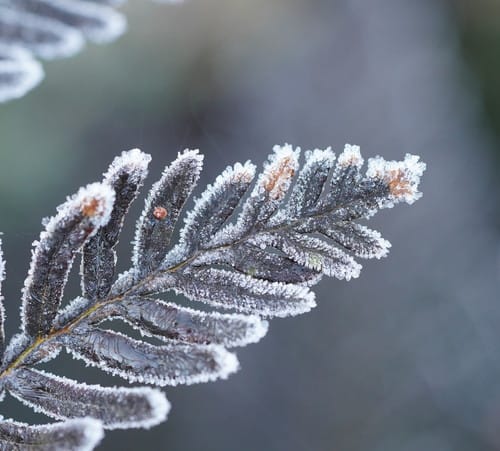
iNaturalist· cc-by-nc
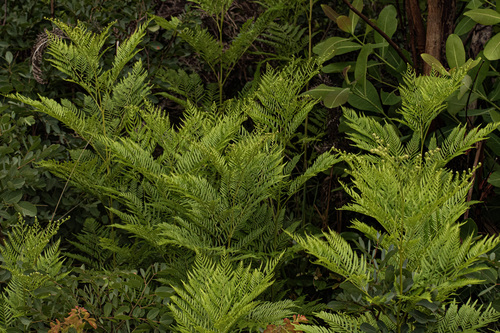
(c) 艾草, some rights reserved (CC BY-NC), uploaded by 艾草
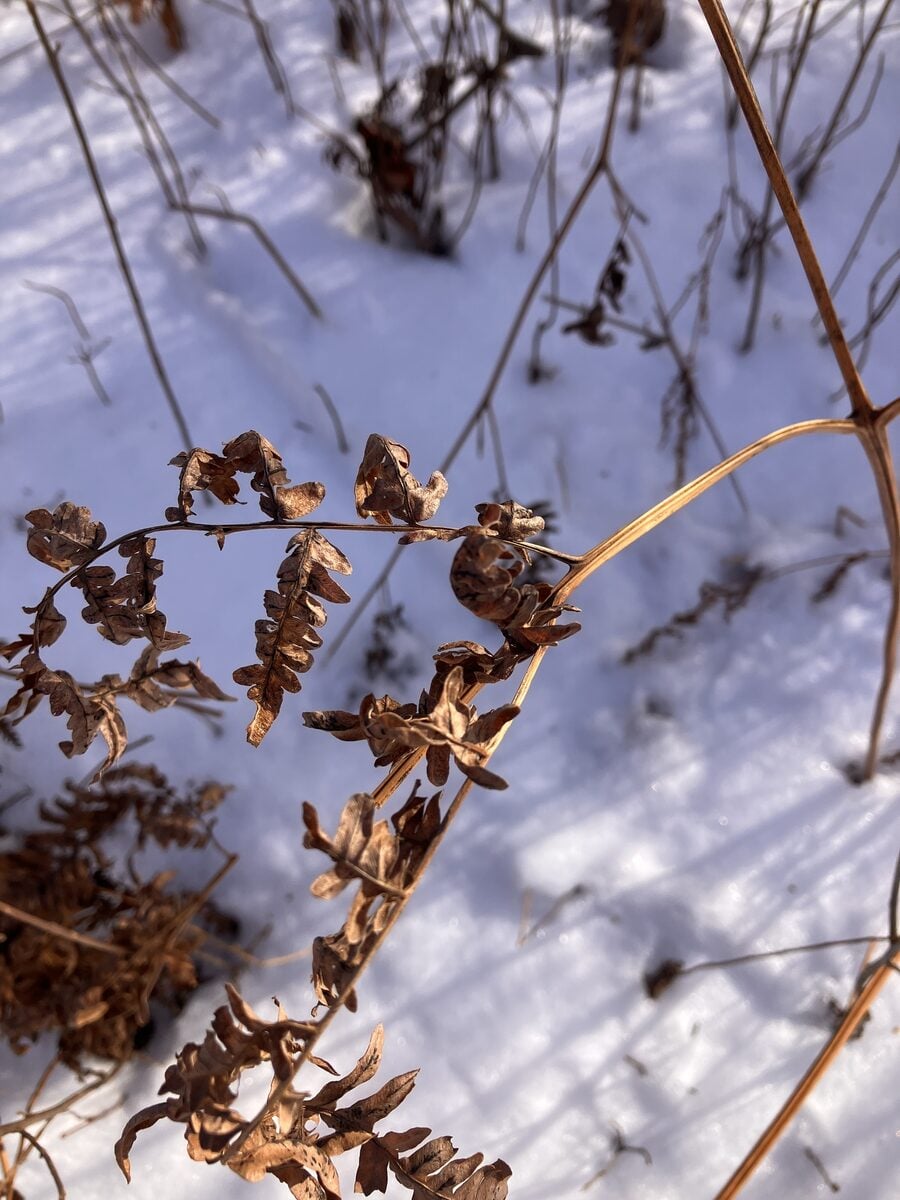
iNaturalist· cc-by-nc
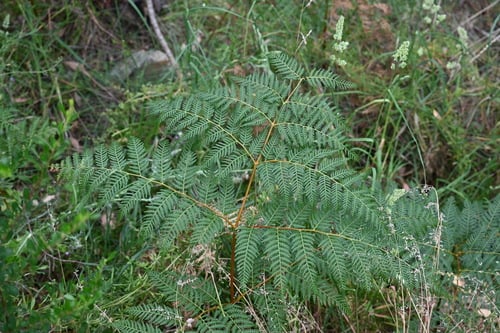
(c) Cat Chang, some rights reserved (CC BY-NC), uploaded by Cat Chang
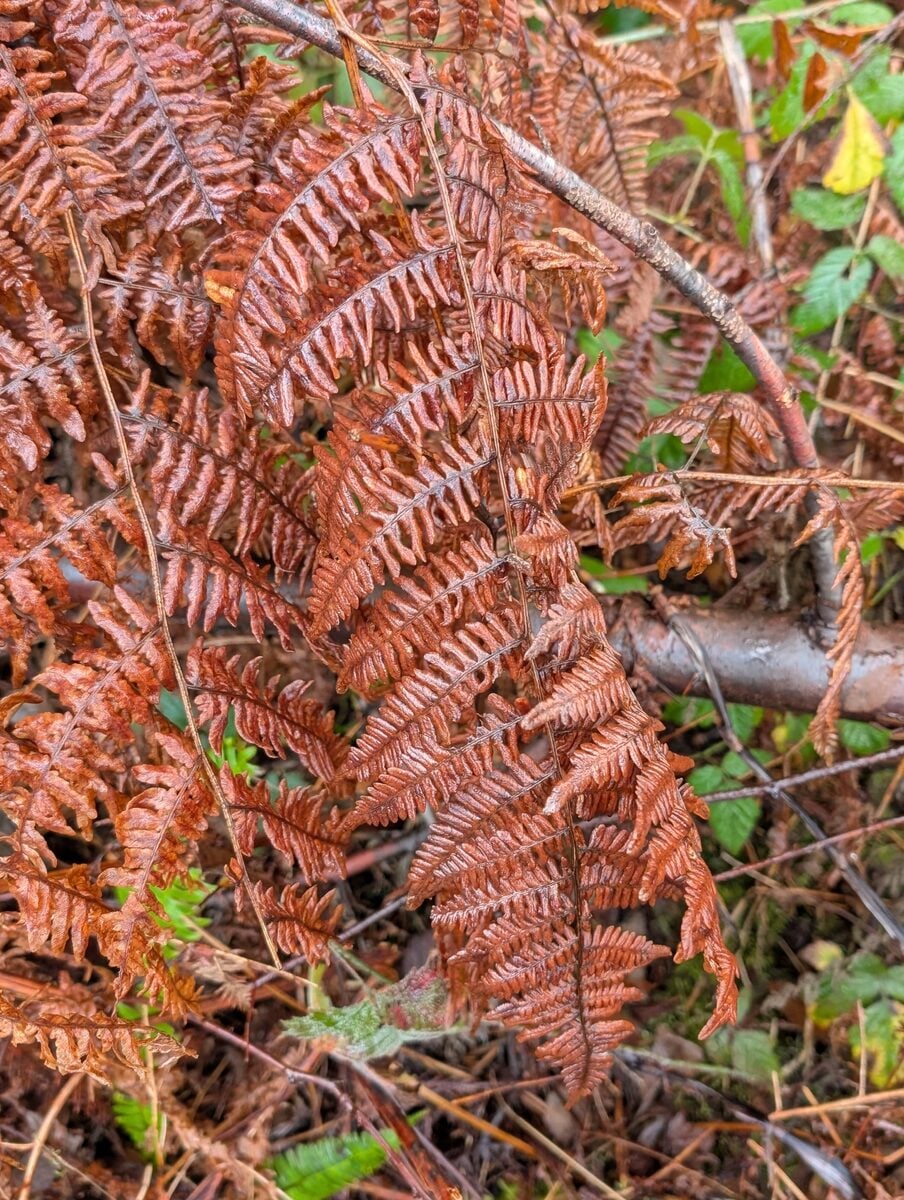
iNaturalist· cc-by
(c) Forest and Kim Starr, some rights reserved (CC BY)
Summary
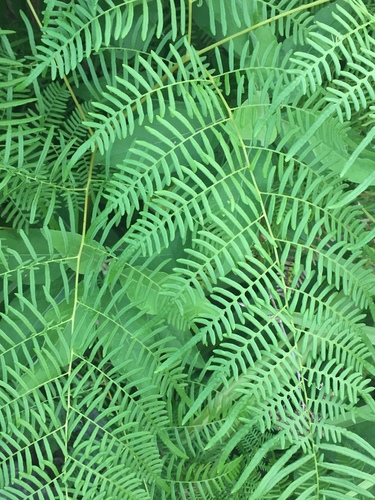
Source: WikipediaMicrolepia strigosa, known as hay-scented fern, lace fern, rigid lace fern and palapalai, is a fern indigenous to the Hawaiian islands and is also native to other parts of the tropics and subtropics including India and Malaysia. This fern belongs to a group of about seventy Microlepia species in the bracken or hay-scented fern family (Dennstaedtiaceae). There are two indigenous species and a hybrid found in the main Hawaiian Islands. It is also known by the botanical names: Davallia hirta, Davallia setosa, Davallia strigosa, Dicksonia kaulfussiana, Dicksonia strigosa, Microlepia hirta, Microlepia setosa, Stenoloma tenuifolium, Trichomanes strigosum. It has coarse, light to medium green fronds which can grow to more than 3 ft (0.9 m) long.
Description
A large tufted fern. It grows in soil. The fronds are twice divided. The spore groups (sori) are cup shaped and near the edges of the fronds.
This description is brief — help expand it
Edible Uses
Young fronds are cooked and eaten as a vegetable.
Traditional Uses
Young fronds are cooked and eaten as a vegetable.
This uses section is brief — help expand it
Medicinal Uses
Early Hawaiians used the fronds to decorate hula altars dedicated to Laka, goddess of hula. The ferns were used as head lei (lei poʻo), neck lei (lei ʻāʻī), and wrist lei (lei kūpeʻe) and to provide a soft base against the skin. The plants were believed to be a cure for insanity. It was also used to bathe in and young leaf fronds were fed to babies.
Distribution
It is a tropical plant. It grows in hilly areas. In southern China it grows between 100-1,000 m above sea level.
Where It Grows
Asia, Australia, Bangladesh, China, Hawaii, Himalayas, India, Indochina, Indonesia, Japan, Korea, Pacific, Philippines, SE Asia, Sri Lanka, Taiwan, Thailand,
Synonyms
Also Known As
Dhekiashak, Palapalai
References (2)
- Sarker, S. K., & Enayet Hossain, A. B. M., 2009, Pteridophytes of Greater Mymensingh District of Bangladesh used as Vegetables and Medicines. Bangladesh J. Plant Taxon. 16(1) 47-56. p 54
- Hossain, U. & Rahman, A., 2018, Study and quantitative analysis of wild vegetable floral diversity available in Barisal district, Bangladesh. Asian J. Med. Biol. Res. 2018, 4 (4), 362-371