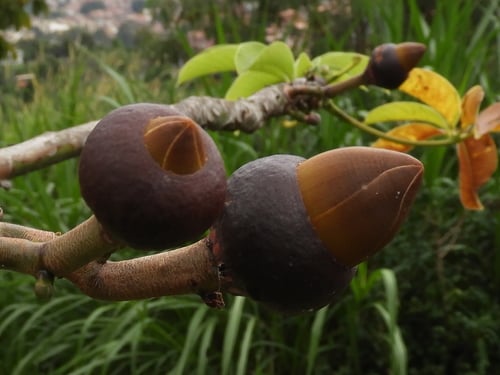
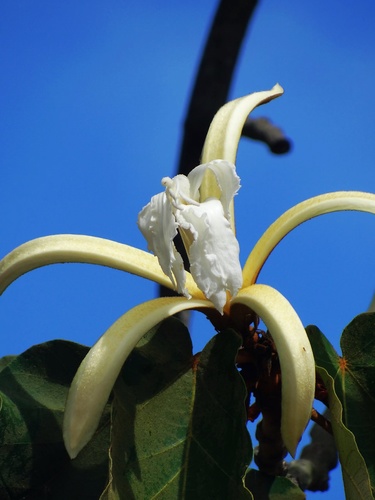
Grewia velutina
(Forssk.) Lam.
iNaturalist· cc-by-nc
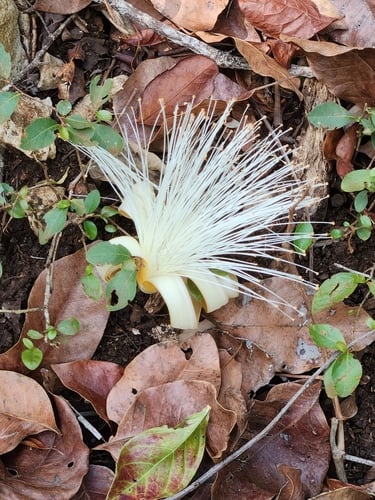
(c) JP, some rights reserved (CC BY-NC), uploaded by JP
iNaturalist· cc-by-nc
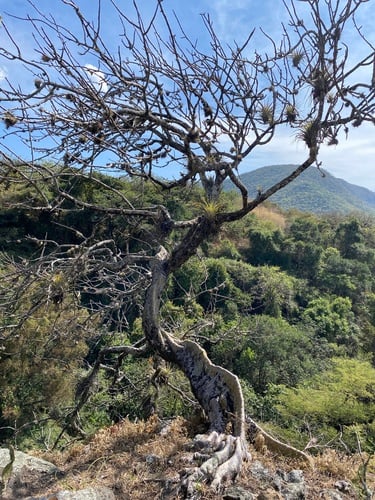
(c) JP, some rights reserved (CC BY-NC)
Description
A shrub or small tree. The stem is hard and strong. It branches from the base of the stem. It grows 2-10 m high. The leaves are oval and pointed. There are fine teeth along the edge. They are shiny green above and grey white underneath.
Edible Uses
The fruit is eaten.
Distribution
It is a tropical plant. In Ethiopia it grows in lowland and mid altitude areas.
Where It Grows
Africa, East Africa, Ethiopia, Uganda,
Cultivation
Plants are grown by seeds.
Production
It is slow growing.
Notes
These were in the Sparrmanniaceae and the Tiliaceae.
Synonyms
Chadara velutina Forssk.Grewia bicolor var. canescens (A. Rich.) BurretGrewia canescens A. Rich.
Also Known As
Adibi'ato, Dawaita, Dhayita, Epatikwe, Haroressa, Harooressa hiddoo, Horma-daeyta, Sefa
References (8)
- Addis, G., Asfaw, Z & Woldu, Z., 2013, Ethnobotany of Wild and Semi-wild Edible Plants of Konso Ethnic Community, South Ethiopia. Ethnobotany Research and Applications. 11:121-141
- Assefa, A. & Abebe, T., 2010, Wild Edible Trees and Shrubs in the Semi-arid Lowlands of Southern Ethiopia. Journal of Science and Development 1 (1) 2010
- Bahru, T., et al, 2013, Wild Edible Plants: Sustainable Use and Management by Indigenous Communities in and the Buffer Area of Awah National Park, Ethiopia. Ethiop. J. Sci., 36(2): 93-108
- Edwards. S., et al, (Eds), 1995, Flora of Ethiopia and Eritrea. Vol.2, Part 2 Canellaceae to Euphorbiaceae. Uppsala, Sweden. p 162
- Ethiopia: Famine Food Field Guide. http://www.africa.upenn.edu/faminefood/category3.htm
Show all 8 references Hide references
- Gemedo-Dalle, T., et al, 2005, Plant Biodiversity and Ethnobotany of Borana Pastoralists in Southern Oromia, Ethiopia. Economic Botany 59(1) pp. 43-65
- Goode, P., 1989, Edible Plants of Uganda. FAO p 30 (As Grewia canescens)
- Lulekal, E., et al, 2011, Wild edible plants in Ethiopia: a review on their potential to combat food insecurity. Afrika Focus - Vol. 24, No 2. pp 71-121