Heracleum platytaenium
Boiss.
Yavsan otu
iNaturalist· cc0
no rights reserved
iNaturalist· cc0
no rights reserved
iNaturalist· cc0
no rights reserved
Summary
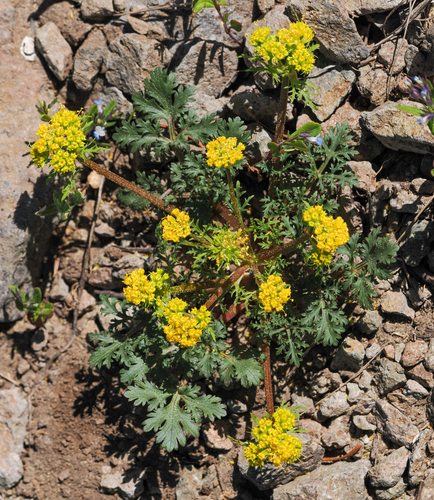
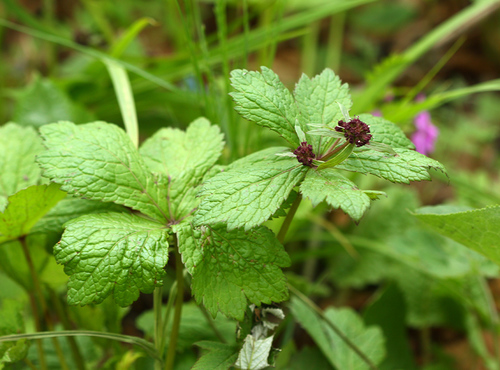
Source: WikipediaHeracleum platytaenium is a species of flowering plant in the family Apiaceae. It was first described by Swiss botanist Pierre Edmond Boissier. It is mostly found in the central and coastal regions of Anatolia in Turkey. Heracleum platytaenium grows in mixed forests, rocky slopes, stream banks and coasts up to 1500 meters above sea level. It blooms between May and July.
Description
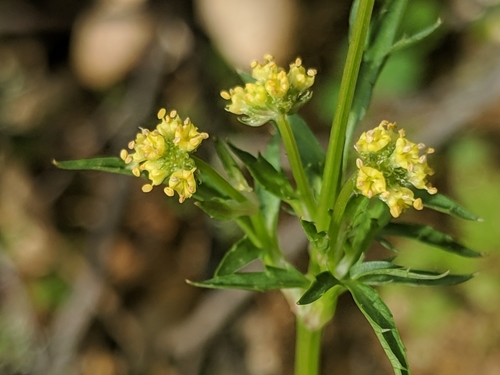
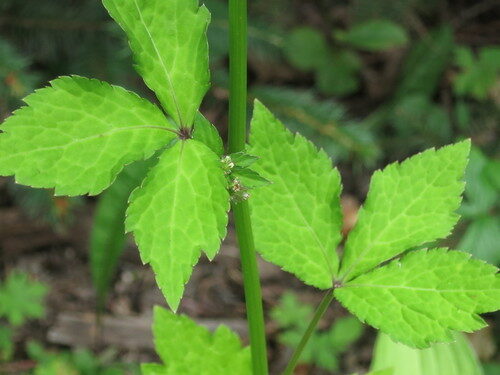
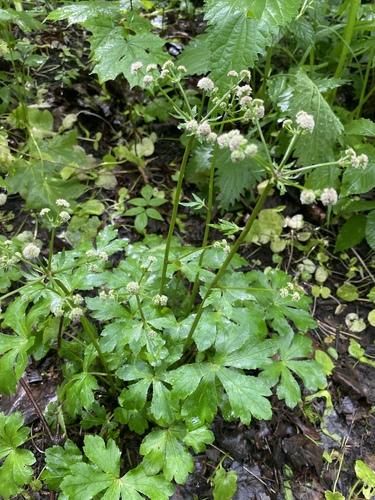
A tall herb of the Apiaceae family reaching 1–2 m high with white flowers, found in mixed forests, rocky slopes, and near stream edges.
This description is brief — help expand it
Edible Uses
The stems are eaten as a pickle or fresh after peeling, and are used as a spice for fish dishes. The leaves are also edible.
Traditional Uses
The stems are eaten as a pickle. They are also eaten fresh after peeling. They are used as a spice for fish dishes.
This uses section is brief — help expand it
Distribution
It grows in mixed forest, rocky slopes and near the edges of streams.
Where It Grows
Europe, Turkey, Türkiye,
Nutrition
| Part | Moisture | kJ | kcal | Protein | Vit A | Vit C | Iron | Zinc |
|---|---|---|---|---|---|---|---|---|
| Stem | 23.8 | — | — | 20.6 | — | — | — | — |
Synonyms
Also Known As
Halvan, Halvan otu, Hometi, Kamsam, Kekrer, Romati, Tavsancil otu, Yaban lahanasi
References (4)
- Bahadori, M. B. et al, 2016, The Genus Heracleum : A Comprehensive Review on Its Phytochemistry, Pharmacology, and Ethnobotanical Values as a Useful Herb. Comprehensive Reviews in Food Science and Food Safety. 15(6): p 1018-1039
- Dogan, A., et al, 2014, A review of edible plants on the Turkish Apiaceae species. J. Fac. Pharm. Istanbul, 44(2) pp 251-262
- Kizilarslan, C. & Ozhatay, N., 2012, An ethnobotanical study of the useful and edible plants of İzmit. Marmara Pharmaceutical Journal 16: 134-140, 2012.
- Ozbucak, T. B., et al, 2007, Nutrition Content of Some Wild Edible Plants in the Central Black Sea Region of Turkey. International Journal of Natural and Engineering Sciences 1:11-13