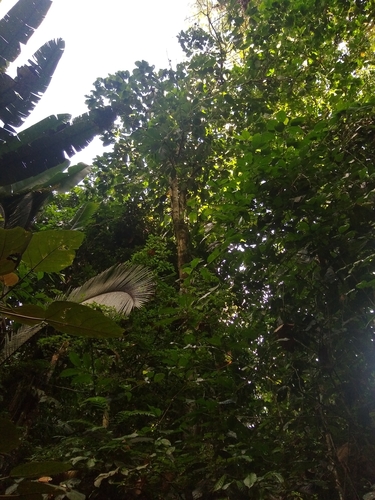
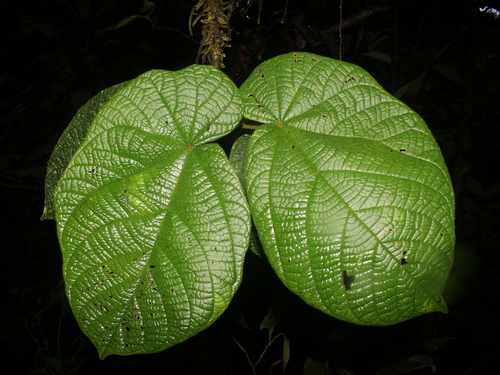
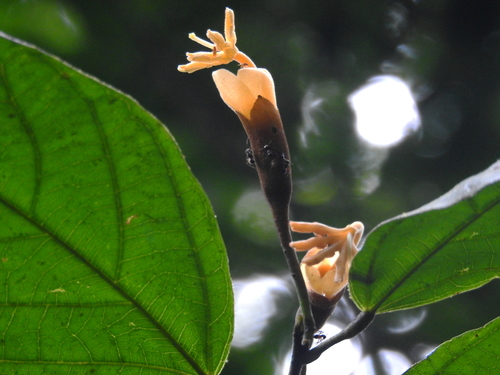
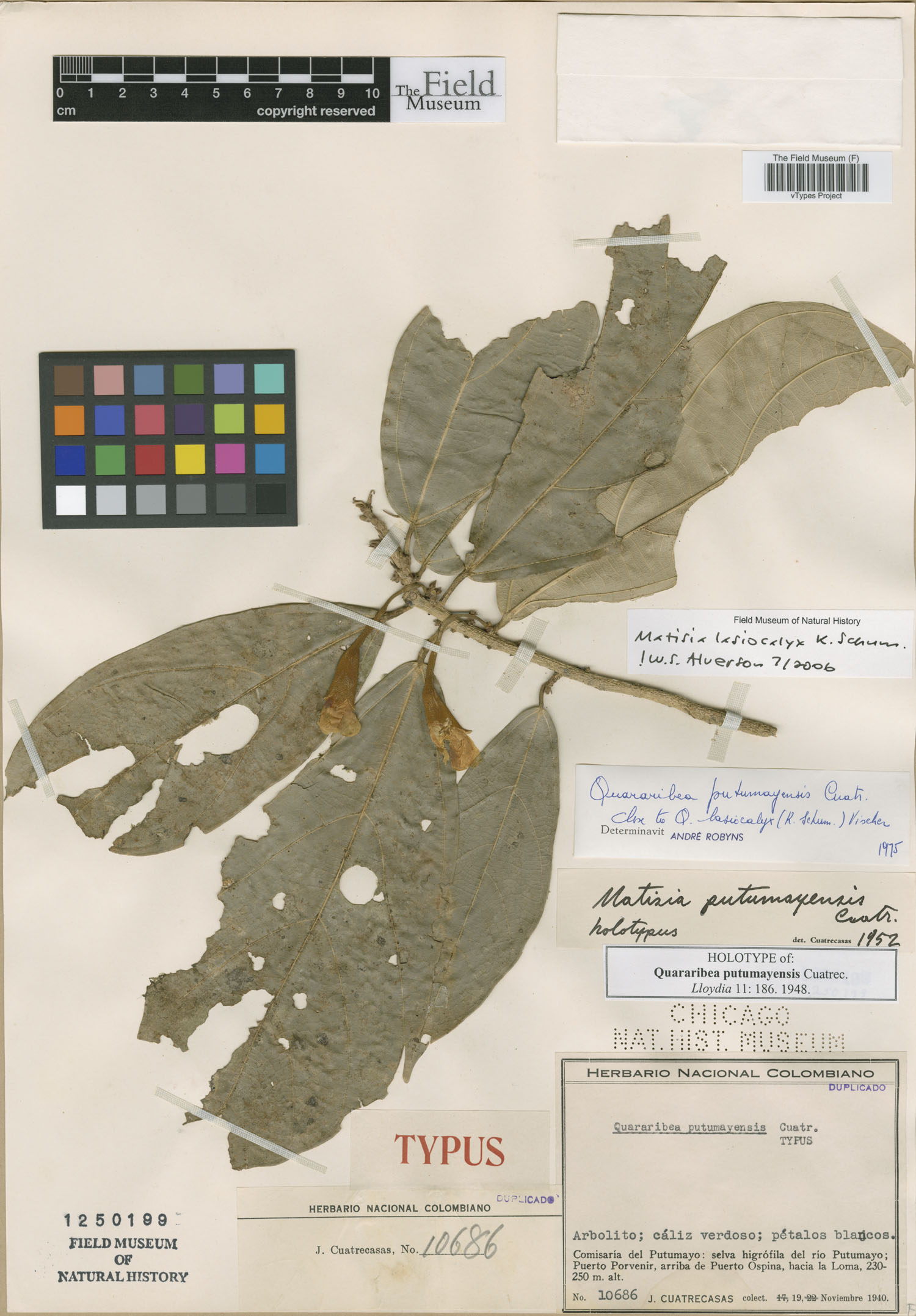
Luehea speciosa
Willd.
Guacimo, Whip tree
iNaturalist· cc-by-sa
(c) Martín Sánchez Vilchis, some rights reserved (CC BY-SA), uploaded by Martín Sánchez Vilchis
iNaturalist· cc-by
(c) Neptalí Ramírez Marcial, some rights reserved (CC BY), uploaded by Neptalí Ramírez Marcial
iNaturalist· cc-by-sa
(c) Wendy García Monterrubio, some rights reserved (CC BY-SA), uploaded by Wendy García Monterrubio
Description
A medium sized tree. The leaves are alternate and evenly spaced. They have 3 main veins from the base. The leaves are whitish underneath. The flowers are large and white.
Distribution
It is a tropical plant. It grows on dry slopes and open land. It grows between 150-1,000 m above sea level.
Where It Grows
Belize, Bolivia, Brazil, Central America, Colombia, Costa Rica, Cuba, El Salvador, French Guiana, Guatemala, Guyana, Honduras, Mexico, Nicaragua, North America, Panama, Peru, South America, Suriname, Venezuela,
Other Uses
A fibre is obtained from the bark. The wood is white when first cut, but upon exposure turns pale pinkish brown or reddish. We do not have any more information on the wood of this species, but a general description of the wood of this genus is as follows:- The heartwood is brown or brownish, sometimes with a pinkish tinge, and more or less streaked; it is not clearly demarcated from the sapwood. The texture is fine to medium; the grain straight to finely roey; lustre varies from low to fairly high; there is no distinctive odour or taste. It is not very durable, being vulnerable to attack by decay fungi and insects. It air dries rapidly with little or no degrade. The wood is reported to be easy to work, though one member of the genus is said to be difficult to plane, and another is difficult to turn. It is used for low value items such as millwork, furniture components, flooring, general construction, boxes and crates, veneer and plywood, particleboard, and shoe heels.
Notes
It was used for some purpose amongst Maya. These have also been in the Tiliaceae.
Synonyms
Also Known As
Molenillo, Guacimo blanco, Guacimo borcico, Guacimo tortugo
References (3)
- Condit, R., et al, 2011, Trees of Panama and Costa Rica. Princeton Field Guides. p 286
- http://research.famsi.org/botanyworking_plant_list.php
- Kew Plants of the World On line