Brachychiton multicaulis
Guymer
Wild curry kurrajong
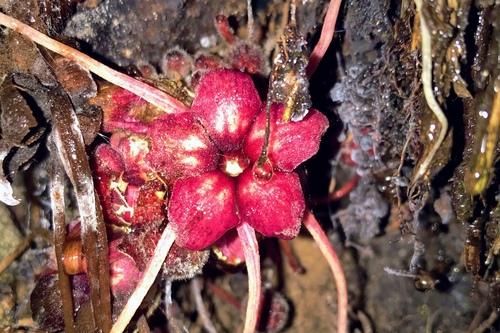
iNaturalist· cc-by-nc
(c) Christine J Reid, some rights reserved (CC BY-NC), uploaded by Christine J Reid
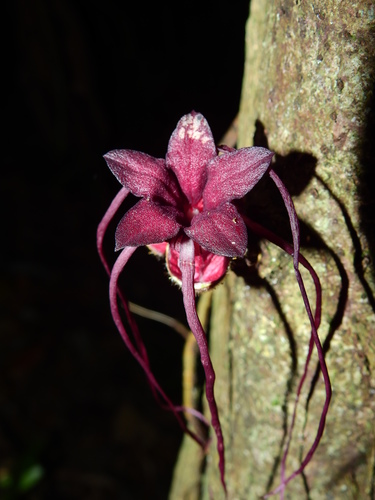
iNaturalist· cc-by-nc
(c) callumjpaul, some rights reserved (CC BY-NC)
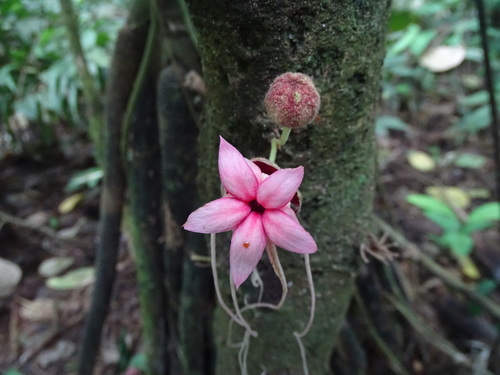
iNaturalist· cc-by-nc
(c) callumjpaul, some rights reserved (CC BY-NC)
Summary
Source: WikipediaBrachychiton multicaulis is a tree of the genus Brachychiton found in northern Australia. It was first described in 1988 by Gordon Guymer. It is found only in the Northern Territory in the Tanami and southern Victoria River District, growing in open woodland on red sandy soils.
Description
A shrub. It has several stems. It grows 2-5 m tall. The flowers are orange to red.
This description is brief — help expand it
Edible Uses
The seeds are extracted from mature fruit and ground into flour. The roots of young plants are cooked and eaten.
Traditional Uses
The seeds are extracted from the mature fruit carefully avoiding the irritant hairs inside the fruit. The seeds are then ground and used as flour. Caution: The hairs inside the fruit cause irritation. The roots of young plants are cooked and eaten.
Known Hazards
The irritant hairs inside the fruit cause irritation and must be avoided when extracting seeds.
Distribution
A tropical plant. It grows in northern Western Australia and the Northern Territory. It grows in desert shrubland on red sandy soils.
Where It Grows
Australia*,
Notes
There are about 30 Brachychiton species. Most are in Australia. Also put in the family Sterculiaceae.
Also Known As
Miyaka, Yingki
References (2)
- Wightman, Glenn et al. 1992. Mudburra Ethnobotany: Aboriginal Plant Use from Kulumindini (Elliott) Northern Australia. Northern Territory Botanical Bulletin No 14. Parks and Wildlife Commission of the Northern Territory. p 10
- Wightman, Glenn et al. 1994, Gurindji Ethnobotany: Aboriginal Plant Use from Daguragu Northern Australia. Northern Territory Botanical Bulletin No 18. Parks and Wildlife Commission of the Northern Territory. p 13