Licania arborea
Seem.
Tree like licania
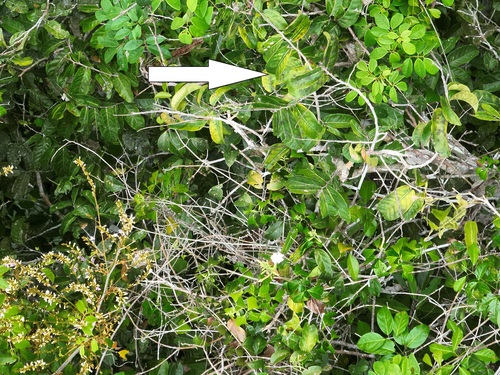
iNaturalist· cc-by-nc
(c) Guillermo SG, some rights reserved (CC BY-NC)
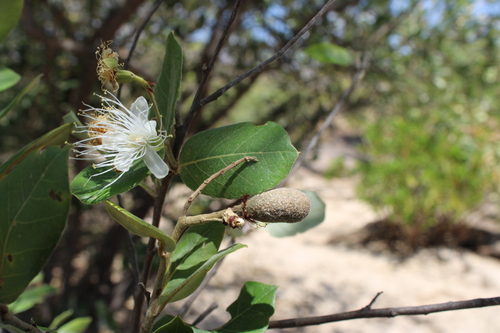
iNaturalist· cc-by-nc
(c) Guillermo SG, some rights reserved (CC BY-NC)
iNaturalist· cc-by-nc
(c) Guillermo SG, some rights reserved (CC BY-NC)
Description
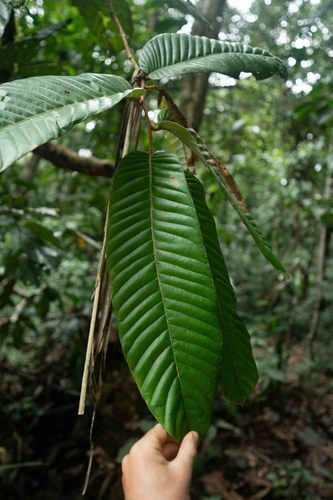
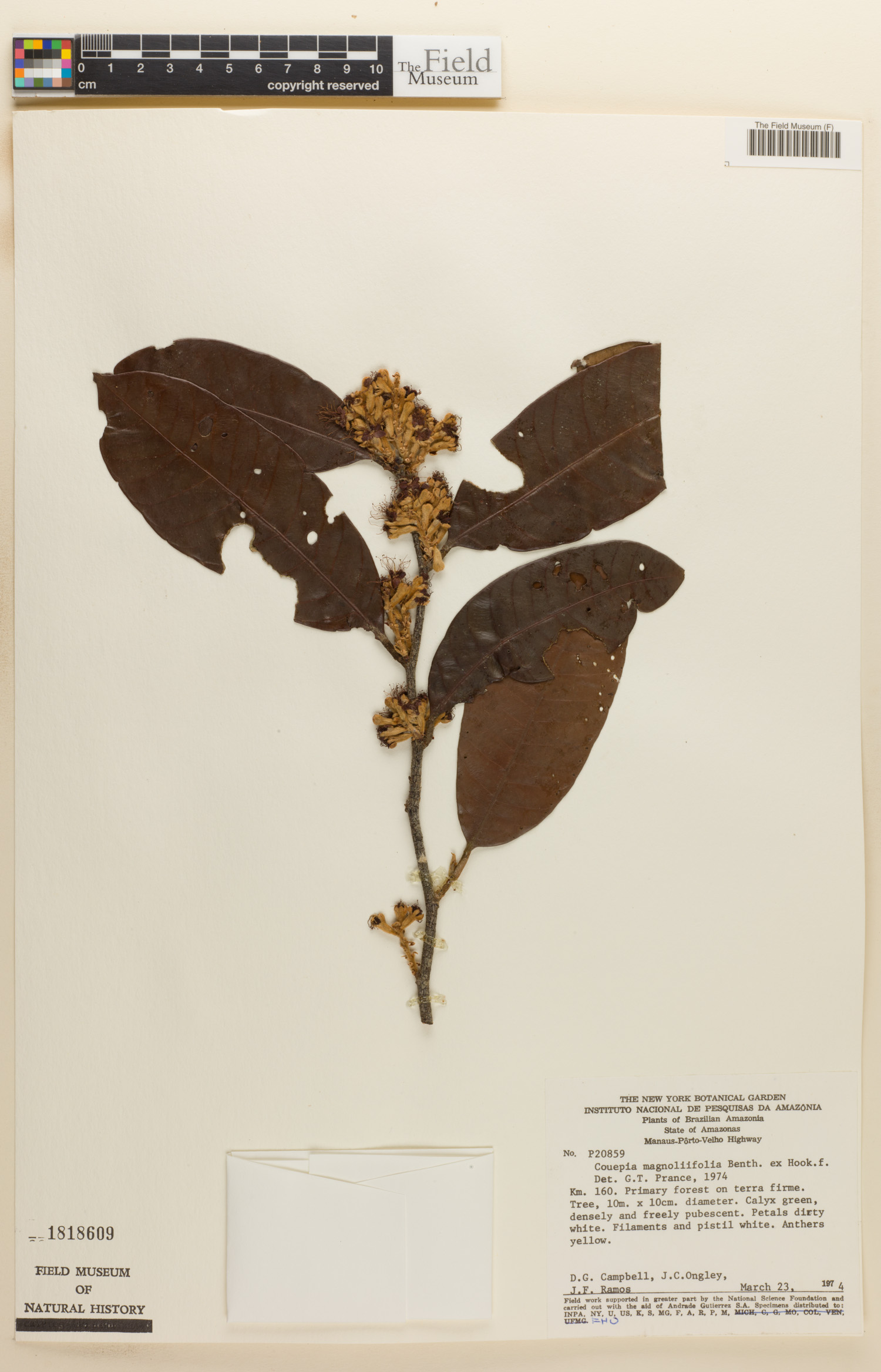
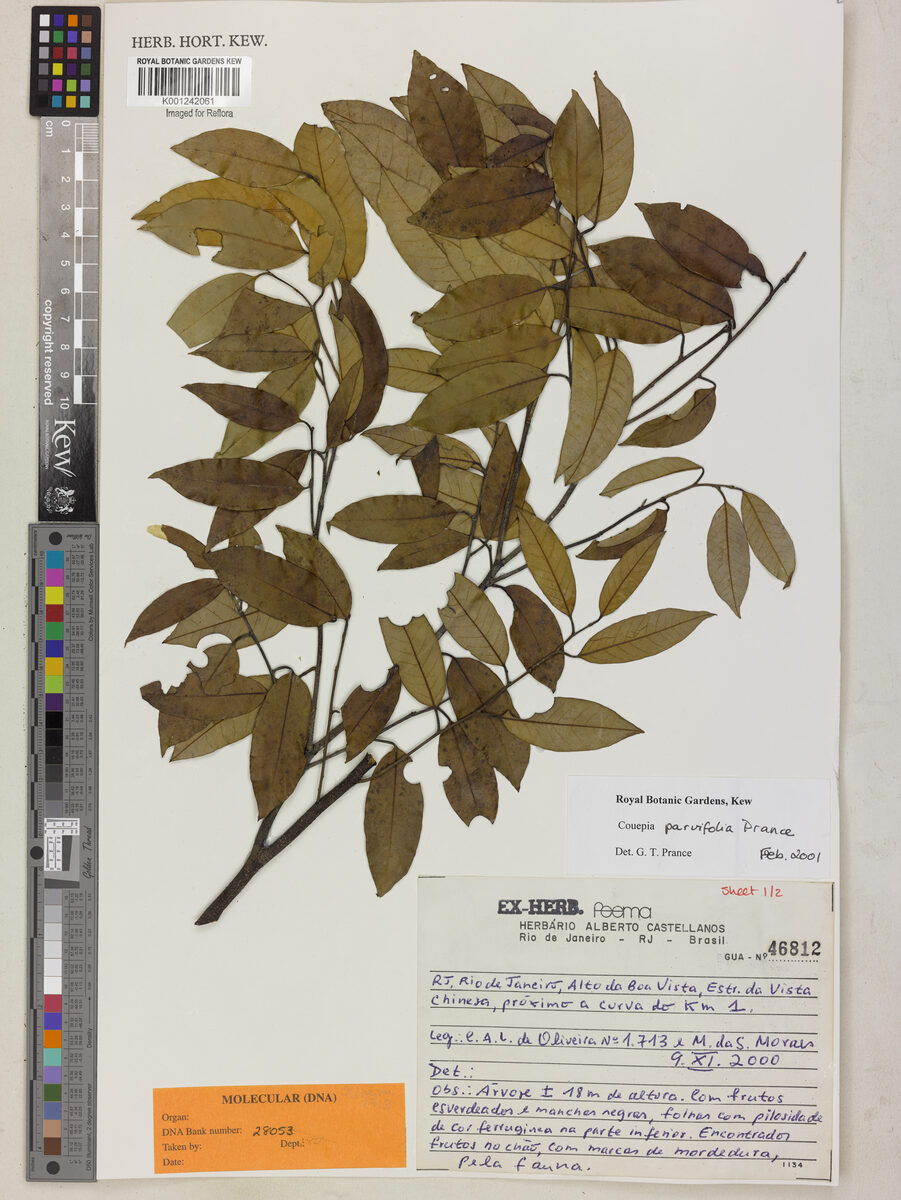
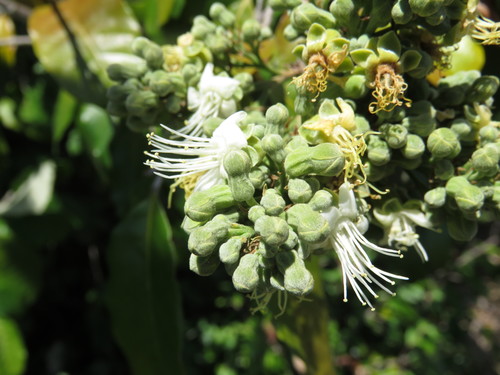
A medium sized tree. The leaves are wide and nearly round. The leaves are light grey underneath.
This description is brief — help expand it
Medicinal Uses
The bark and leaves are used in folk medicine to cure haemorrhoids and kidney problems.
Distribution
It is a tropical plant. It grows in dry forests.
Where It Grows
Amazon, Belize, Bolivia, Brazil, Central America, Colombia, Costa Rica, Ecuador, El Salvador, Guatemala, Honduras, Mexico, Nicaragua, North America, Panama, Peru, South America,
Other Uses
The seeds are said to contain about 30 per cent of oil and to burn readily. They are sometimes strung on sticks and burned like candles. The oil has been used in substantial amounts for making candles, soap, axle grease, and other articles. It is said to have a peculiar odour, disagreeable flavour, and a greenish colour that it imparts to soap made from it. The obovoid fruits are 2 - 3 cm long or larger and contain a single large seed. The wood is durable, and is reported to be used at times for heavy construction. It is used in rural construction and for fence posts. We have no more specific information on the qualities of this wood, the following is the general description for the genus:- The wood is a pale or pinkish brown with a greyish tinge, sometimes darkening on exposure, and with long, broad, prominent, dark reddish brown gum streaks. Straight-grained; medium or coarse-textured; when seasoned it is odourless and tasteless. The wood is heavy, hard, strong, and durable. It is easy to split and takes a smooth, fairly lustrous polish. It should be suitable for heavy construction
Synonyms
Also Known As
Alcornoque, Cacahuananche, Raspa, Rasca, Rascador, Roble blanco
References (4)
- Condit, R., et al, 2011, Trees of Panama and Costa Rica. Princeton Field Guides. p 128
- Grandtner, M. M., 2008, World Dictionary of Trees. Wood and Forest Science Department. Laval University, Quebec, Qc Canada. (Internet database http://www.wdt.qc.ca)
- Grandtner, M. M. & Chevrette, J., 2013, Dictionary of Trees, Volume 2: South America: Nomenclature, Taxonomy and Ecology. Academic Press p 348
- Segura, S., et al, 2018, The edible fruit species in Mexico. Genet Resour Crop Evol (2018) 65:1767–1793