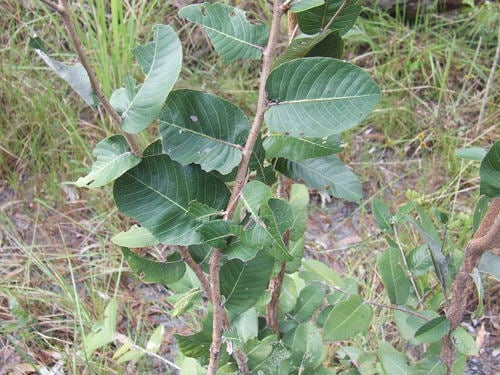
Licania humilis
ham. & Schltdl.
Caratinguiba
wikimedia· cc-by
Wikimedia Commons - João Medeiros
wikimedia· cc-by
Wikimedia Commons - João Medeiros
Description
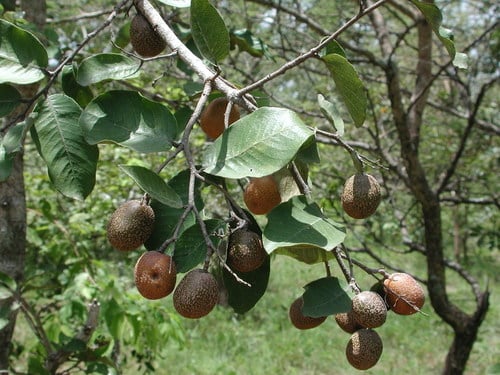
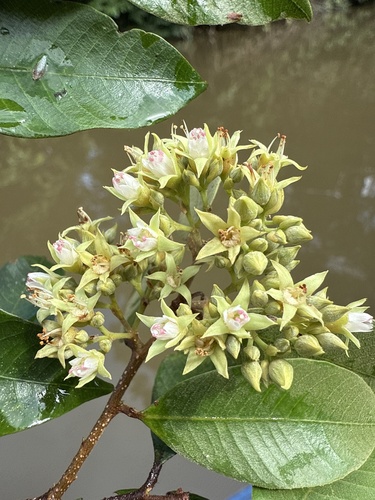
A tropical shrub in the Chrysobalanaceae family, typically 50 cm to 1 m tall in open areas but capable of reaching 4-6 m tall in forest conditions.
This description is brief — help expand it
Edible Uses
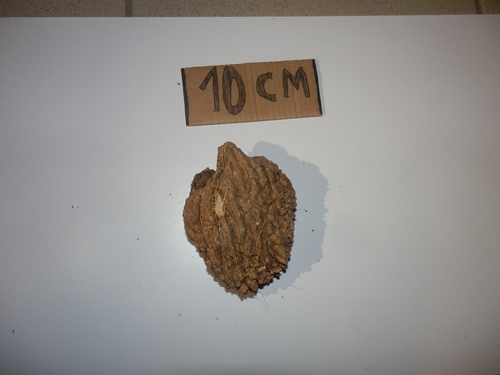
Both the fruit and seeds are edible.
Distribution
It is a tropical plant.
Where It Grows
Bolivia, Brazil, South America,
Cultivation
Requires a sunny position. Established plants are drought tolerant. A slow-growing tree.
Propagation
Seed - best sown as soon as it is ripe in a partially shaded position in a nursery seedbed. A low germination rate can be expected, with the seed sprouting within 30 - 60 days. When the seedlings are 4 - 5cm tall, pot them up into individual containers and they should be ready to plant out 8 - 9 months later.
Other Uses
The wood is of medium texture, straight-grained, moderately heavy, with poor mechanical properties and of medium natural durability. Because of its small dimensions, it is only used locally for low quality items such as boxes. The wood is used for fuel and to make charcoal.
Synonyms
References (1)
- www.colecionandofrutas.org