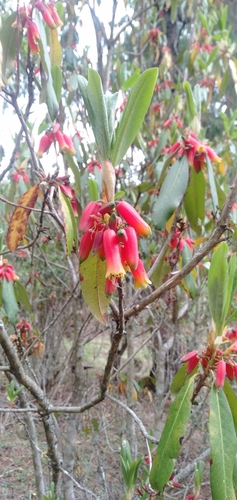
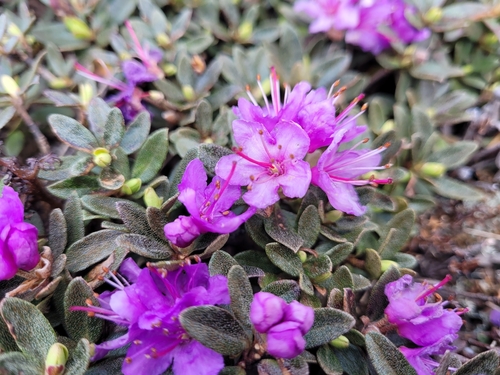
Bejaria aestuans
Mutis ex L.
iNaturalist· cc-by-nc
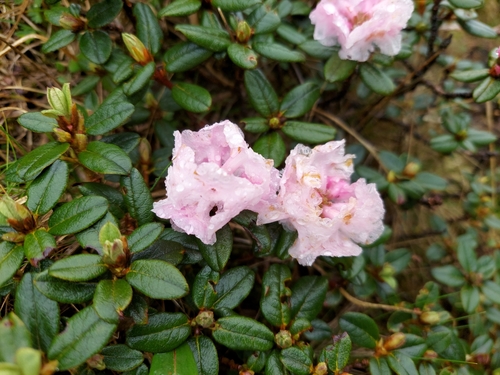
(c) Bodo Nuñez Oberg, some rights reserved (CC BY-NC), uploaded by Bodo Nuñez Oberg
iNaturalist· cc-by-nc
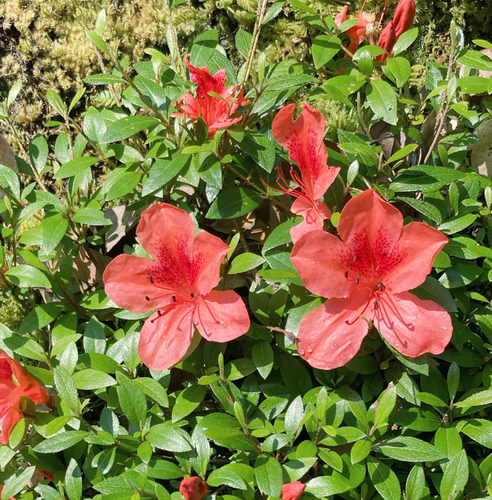
(c) Jan Meerman, some rights reserved (CC BY-NC), uploaded by Jan Meerman
iNaturalist· cc-by-nc
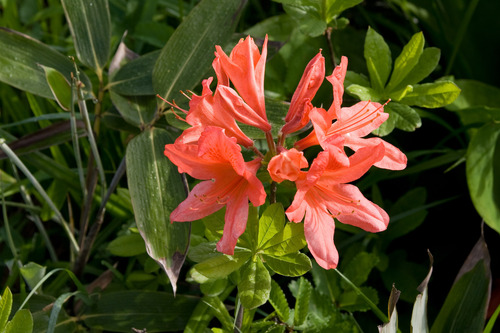
(c) danplant, some rights reserved (CC BY-NC), uploaded by danplant
Description
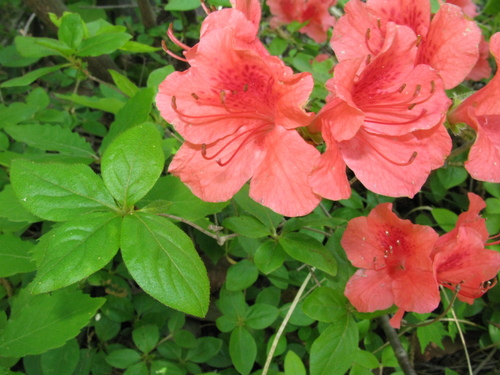
A shrub or tree. It grows 1-15 m tall. The leaves are 2-8 cm long by 1-3 cm wide. There can be 5-14 flowers in a group
This description is brief — help expand it
Edible Uses
The fruit can be eaten in small amounts, though it causes dizziness.
Traditional Uses
The fruit cause dizziness and should only be eaten in small amounts or probably better not eaten.
This uses section is brief — help expand it
Known Hazards
The fruit causes dizziness and should only be consumed in small quantities, or preferably avoided.
Distribution
It is a tropical plant. It grows between 1,000-3,000 m above sea level.
Where It Grows
Andes, Belize, Bolivia, Brazil, Central America, Columbia, Costa Rica, Ecuador, El Salvador, Guatemala, Honduras, Mexico, Nicaragua, North America, Panama, Peru, South America, Venezuela,
Production
It flowers and fruits throughout the year.
Synonyms
Also Known As
Carbonero, Coyopolin, Encillo, Peosle
References (1)
- NYBG.org